
Au bord de l’Oued — History & Facts
In the realm of color, emotions swirl and dance, revealing truths often hidden beneath layers of hue and texture. Look closely at the vibrant strokes that punctuate the canvas. The lush greens and rich blues draw your eye toward the horizon, where the river gently curves, inviting contemplation. Notice how the light plays across the surface, casting reflections that shimmer like fleeting memories.
The bold application of paint adds a tactile quality, creating a sense of movement that vibrates through the piece, as if the landscape itself breathes. Delve into the interplay of color and form, where warm earth tones contrast with cool water elements, suggesting a balance between stability and fluidity. Each stroke carries an emotional weight, hinting at the artist’s internal conflicts and desires. The juxtaposition of darkness and light communicates a deeper narrative of hope amidst turmoil, illustrating a moment where nature’s beauty transcends chaos. Georges Washington painted this work during a time when his artistic journey was marked by experimentation and exploration of color theory.
In the late 19th century, the Impressionist movement was gaining momentum, influencing fellow artists to break from traditional techniques. As Washington navigated this transformative period, he sought to embrace the emotional power of color, ultimately shaping a unique voice in the evolving landscape of art.
More Artworks by Georges Washington
Browse all →
The Watering Place
Georges Washington
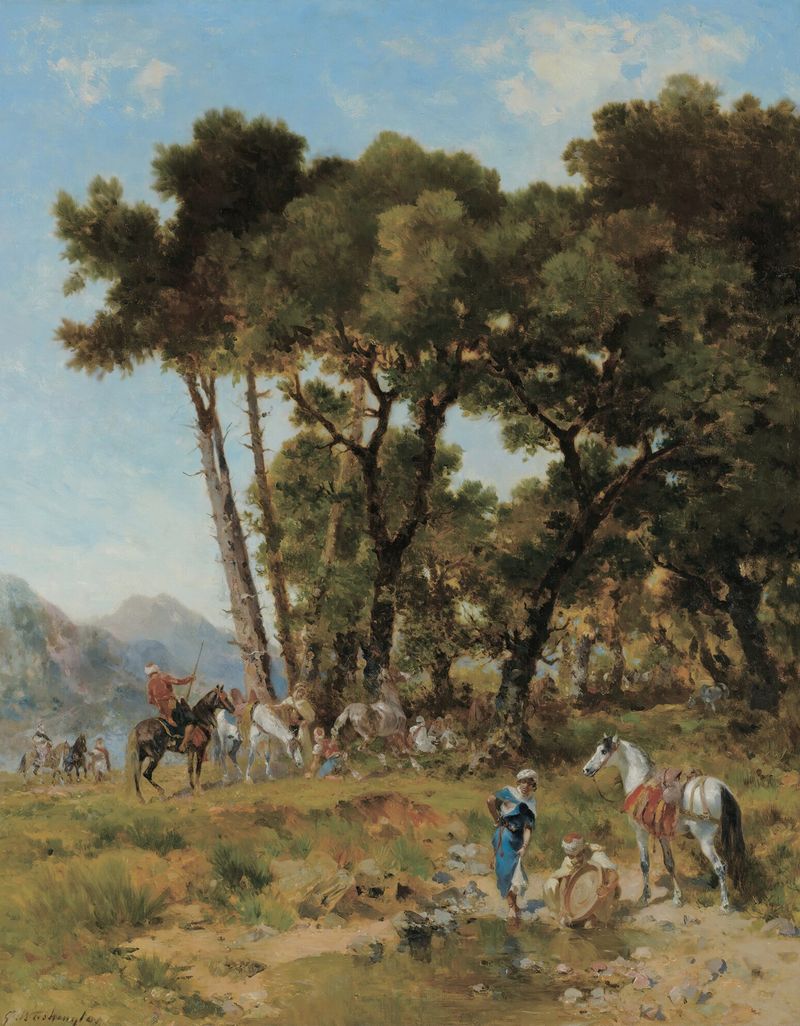
Halte Dans Les Montagnes
Georges Washington
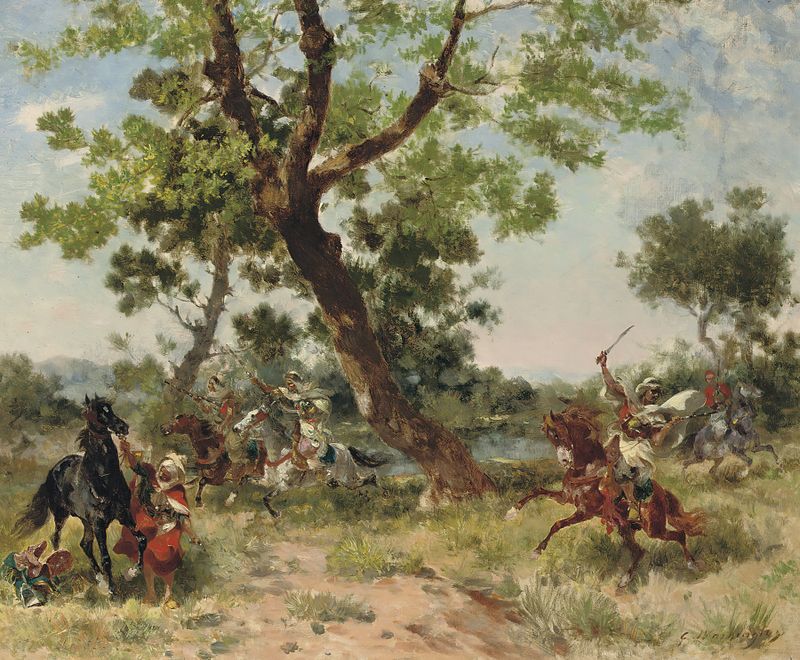
A Raiding Party
Georges Washington

La Rencontre des Cavaliers
Georges Washington
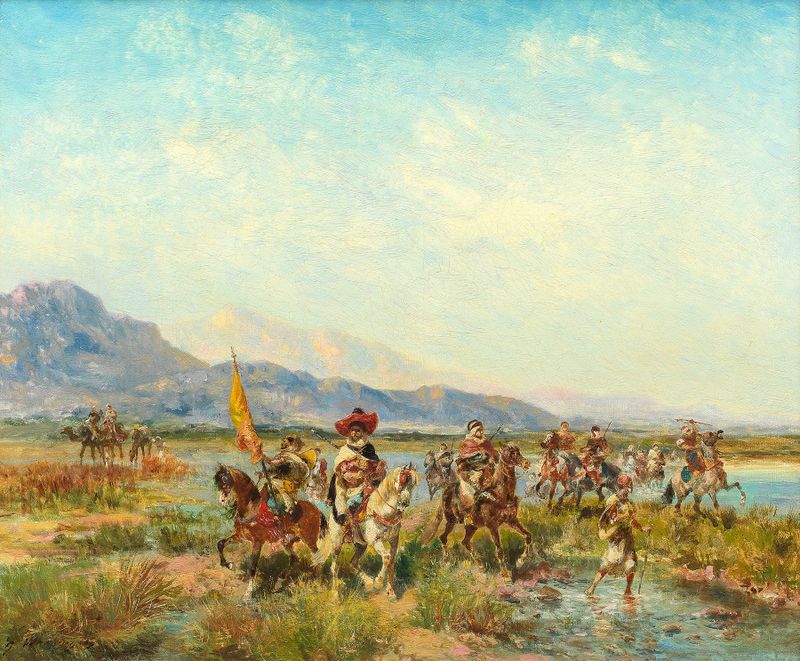
Horsemen fording a river
Georges Washington
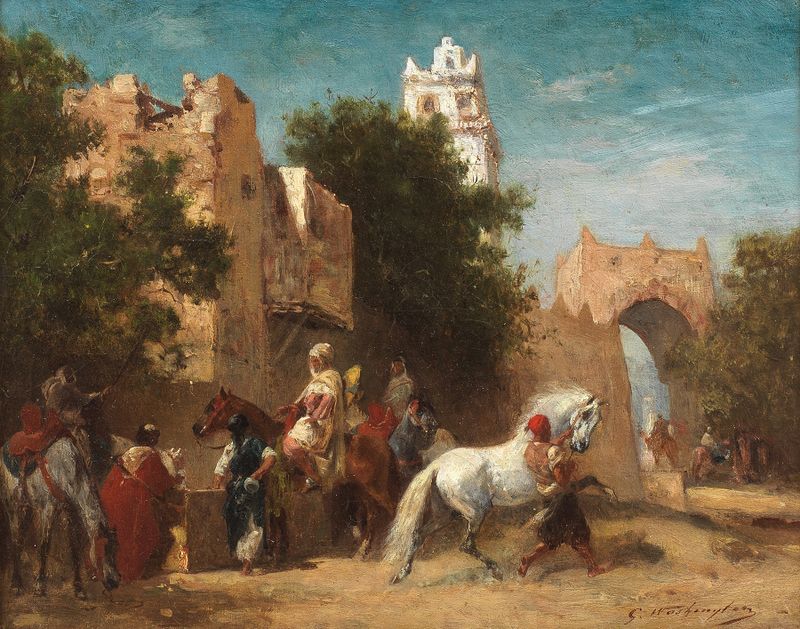
A halt at the city walls
Georges Washington

La Chasse
Georges Washington
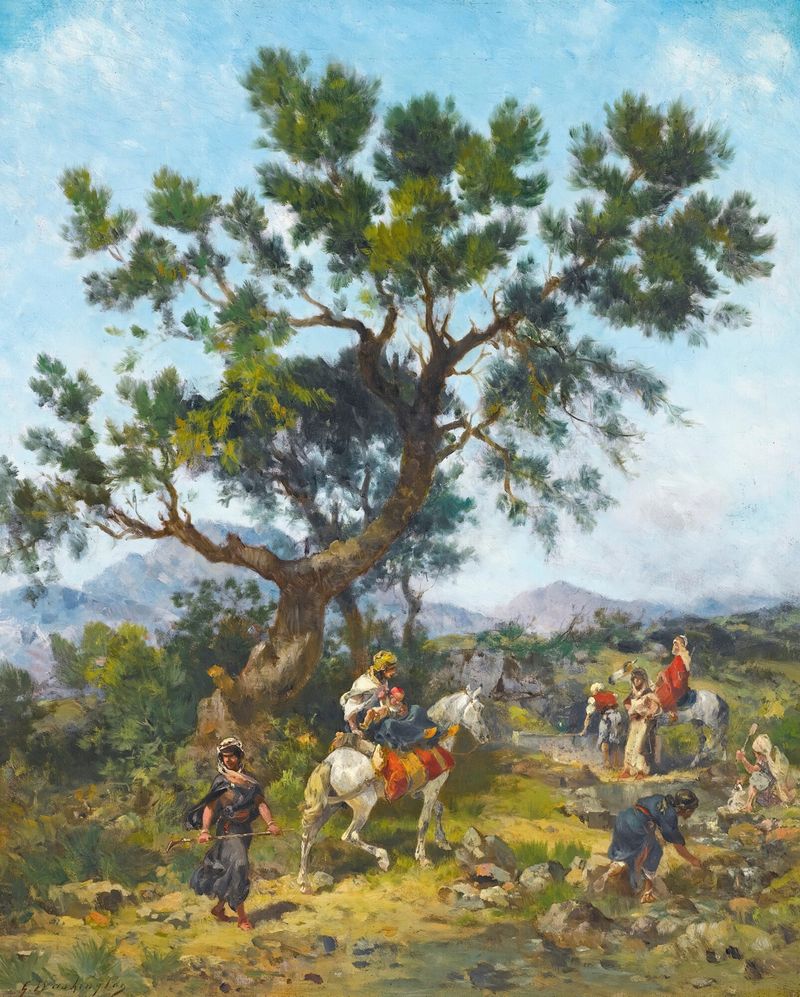
Cavaliers Au Repos
Georges Washington
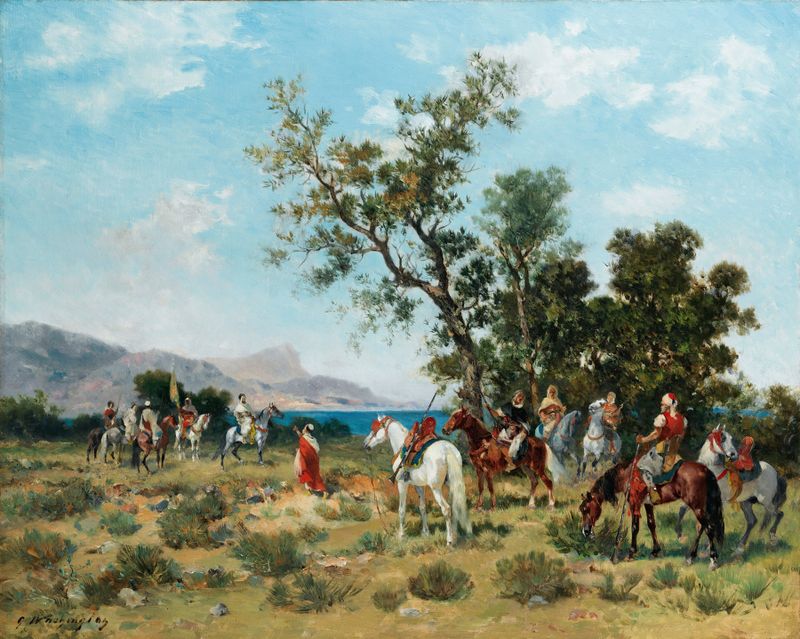
La Rencontre des Cavaliers
Georges Washington
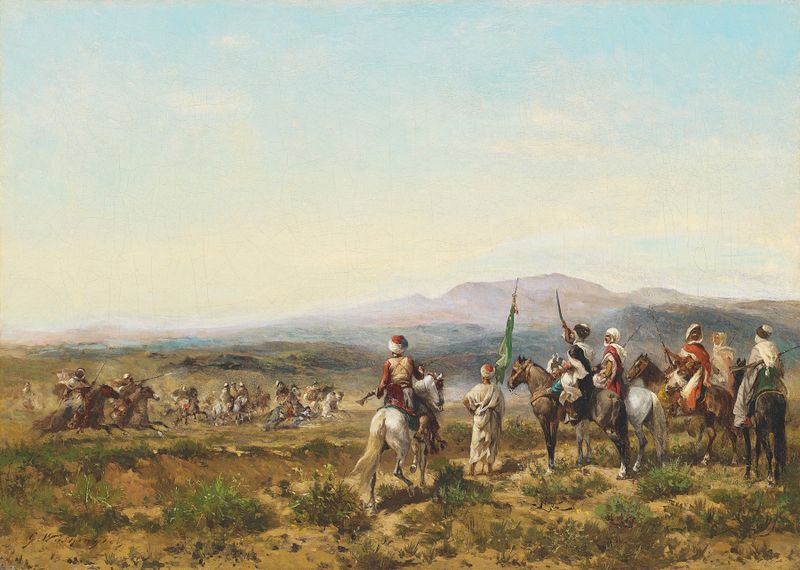
Manoeuvres
Georges Washington





