Au canal a Venice — History & Facts
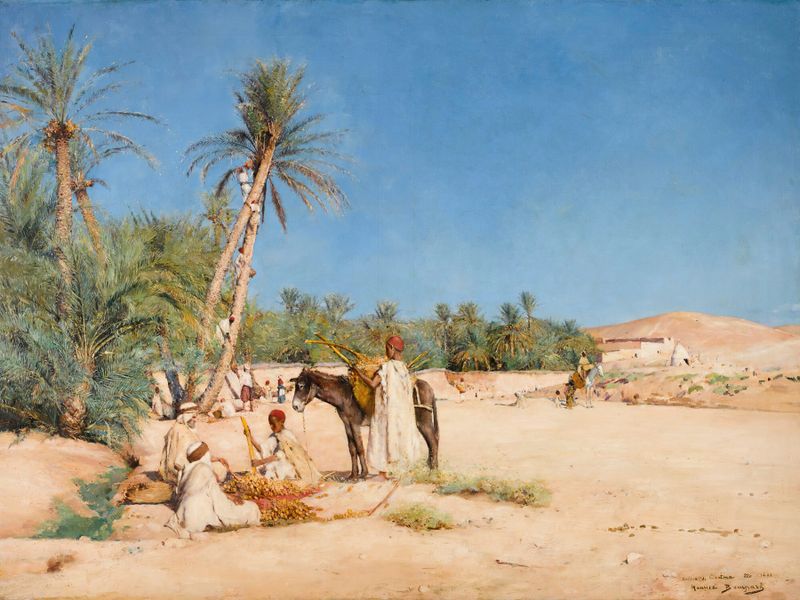
In a world where fleeting moments vanish like ripples on water, desire resides in the most ethereal corners of our memories. Look to the left of the canvas where the deep blues of the canal draw your gaze, inviting you to explore the tranquil yet vibrant life that unfolds along its edge. The brushstrokes here are deliberate, yet soft, merging the reflections on the water with the sun-dappled buildings that seem to lean in, listening to whispered secrets. Notice how the warm light bathes each structure in a golden hue, transforming ordinary elements into something almost nostalgic, invoking a yearning for both the past and the present. Within this serene composition, emotional tensions arise as the juxtaposition of stillness and movement plays out.
The boats bob gently, tethered yet yearning to drift away, echoing a desire not just for freedom, but for connection in a world that often feels divided. The subtle details—the fluttering flags and the rippling water—speak of transient moments, capturing a longing that resonates with anyone who has ever felt out of place or time. Maurice Bompard painted this piece during a period marked by personal exploration and artistic growth, likely in the late 19th century. Living and working amidst the vibrant atmosphere of France, he was influenced by the Impressionists, yet his desire to capture the glimmering essence of life and memory set him apart.
This painting reflects not just a scene in Venice, but a deeper meditation on existence itself, as Bompard sought to immortalize those fleeting moments that linger in the soul.