
Aulandschaft bei Abendstimmung — History & Facts
In the quiet embrace of Aulandschaft bei Abendstimmung, emptiness comes alive, inviting contemplation and reflection upon the human condition. Look to the left at the gentle slopes that cradle the horizon, where the fading light kisses the landscape. The artist's brushwork masterfully renders the soft undulations of the terrain, while the dusky hues of twilight—deep purples and warm oranges—merge seamlessly. Notice how the sparse trees stand sentinel against the sky, their silhouettes etched in shadow, evoking a sense of solitude that permeates the scene. Within this serene expanse, the contrast between the vibrant sky and the muted land evokes a tension between hope and despair.
The interplay of light and shadow suggests a transition, representing not just the end of a day but the lingering echoes of ambitions and dreams that may never fulfill. This painted landscape captures a stillness that speaks volumes, emphasizing the profound emptiness and the beauty found in the spaces between. Josef Feid created Aulandschaft bei Abendstimmung in 1847, during a time when Romanticism was reshaping the European artistic landscape. He worked in Germany, where a growing appreciation for nature and emotional depth influenced his style.
The social and political upheavals of the era often infused artists’ works with a longing for tranquility, and Feid’s painting reflects this desire for connection to the organic world amidst the chaos of modernity.
More Artworks by Josef Feid
Browse all →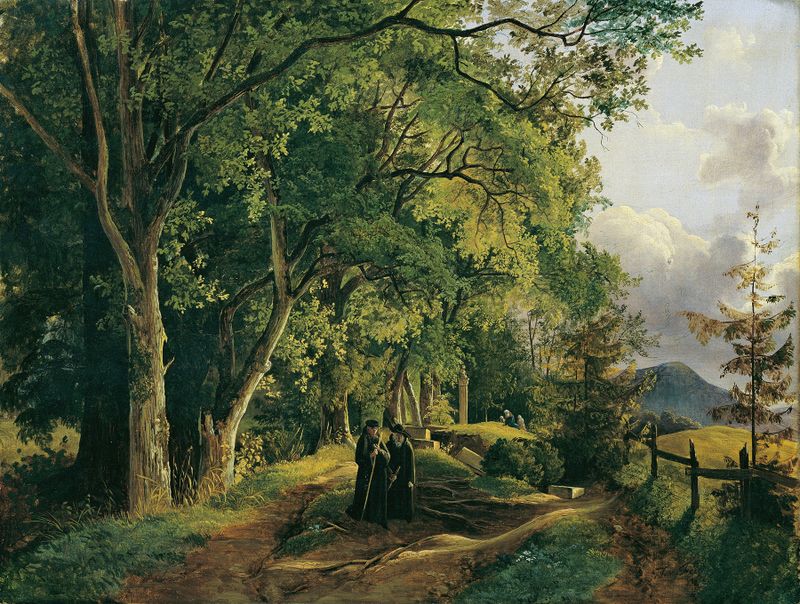
Weg auf den Mariahilfberg bei Gutenstein
Josef Feid
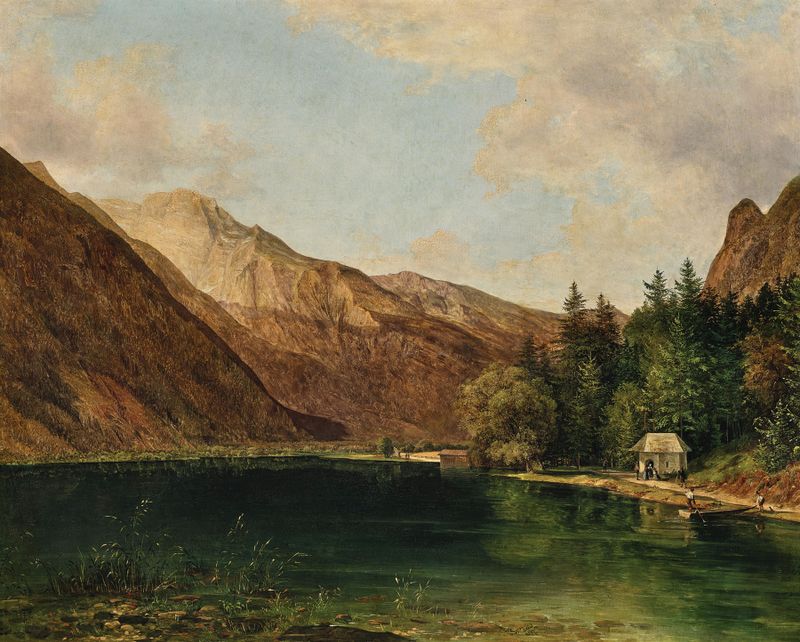
“Oberer Theil des Königsees bei Berchtesgaden, der sogenannte Hinter oder Oberer See am Fuße des Watzmann
Josef Feid
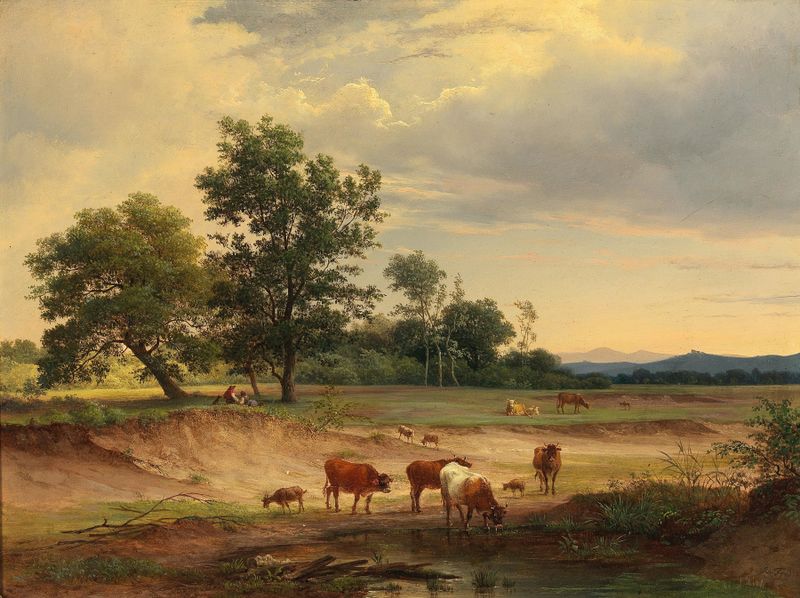
Open Landscape with Herdsman Resting near Mödling
Josef Feid
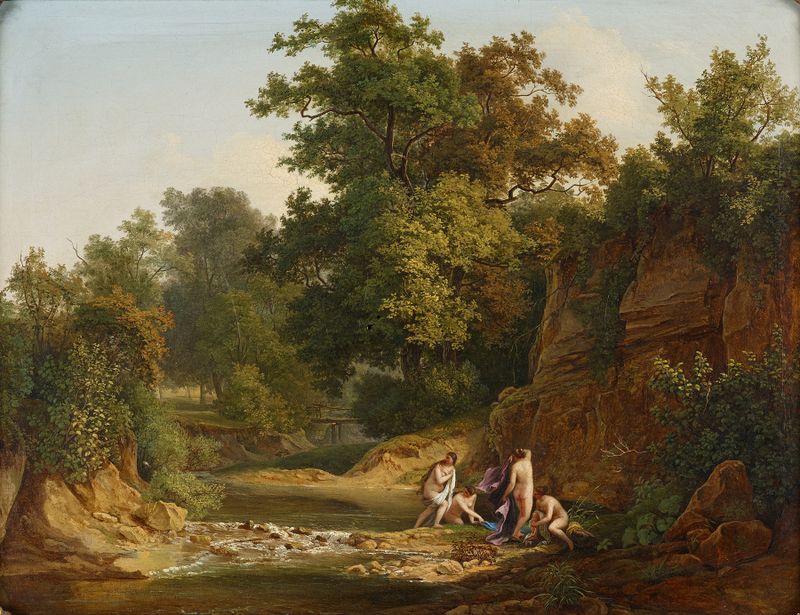
Landschaft mit Badenden
Josef Feid
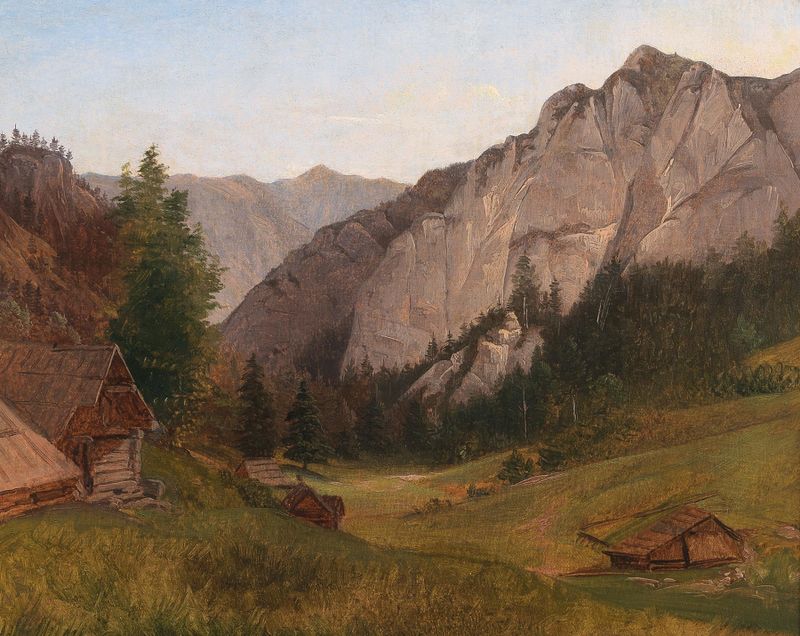
Scene from the Salzkammergut
Josef Feid
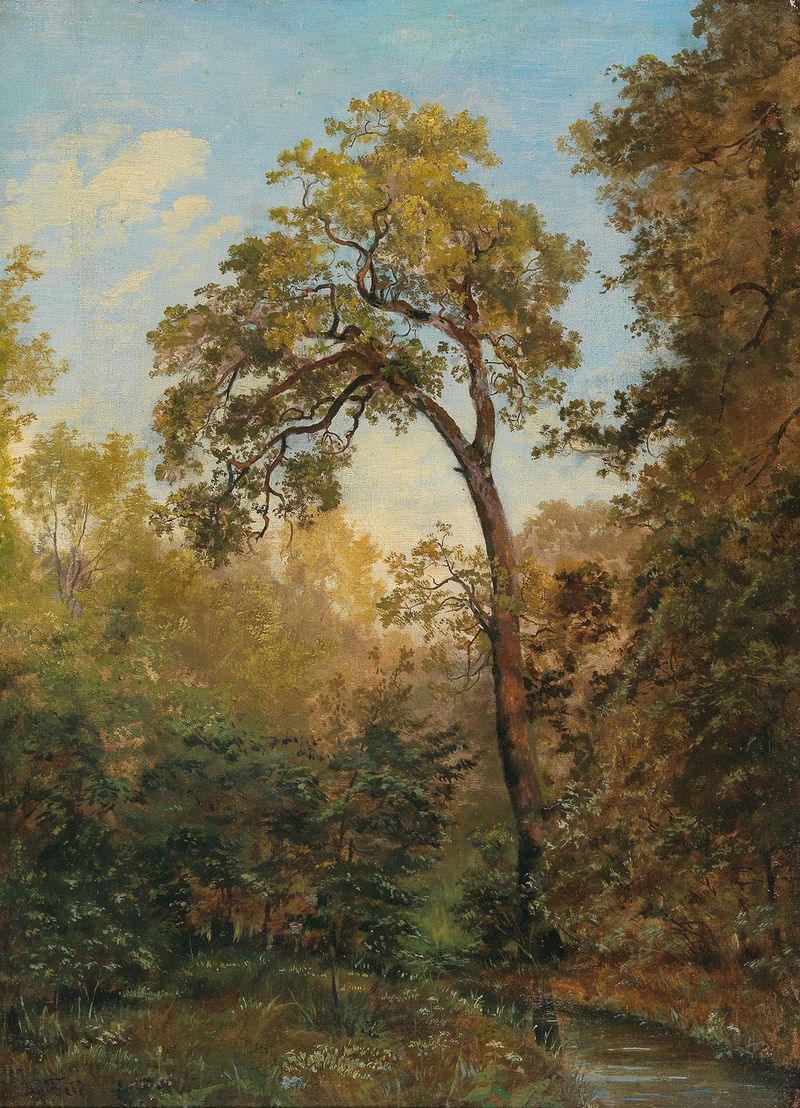
Woodland Interior
Josef Feid
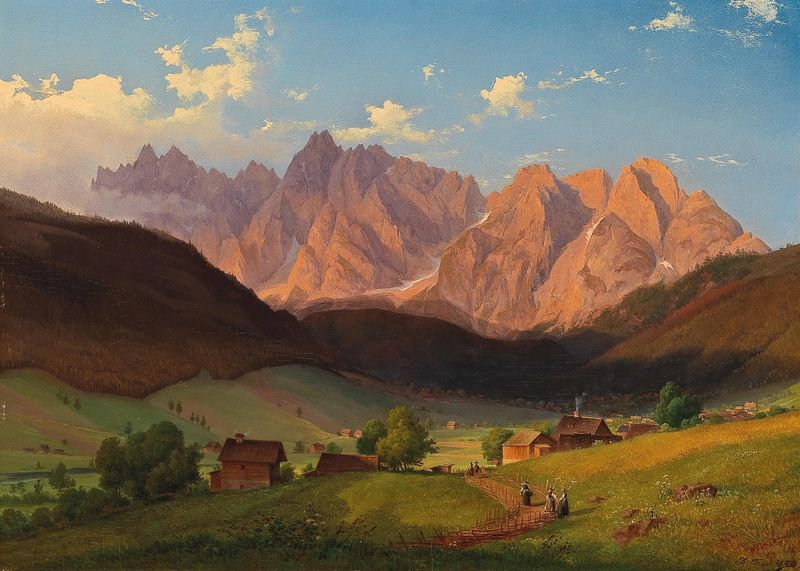
A view of Triglav in Slovenia
Josef Feid
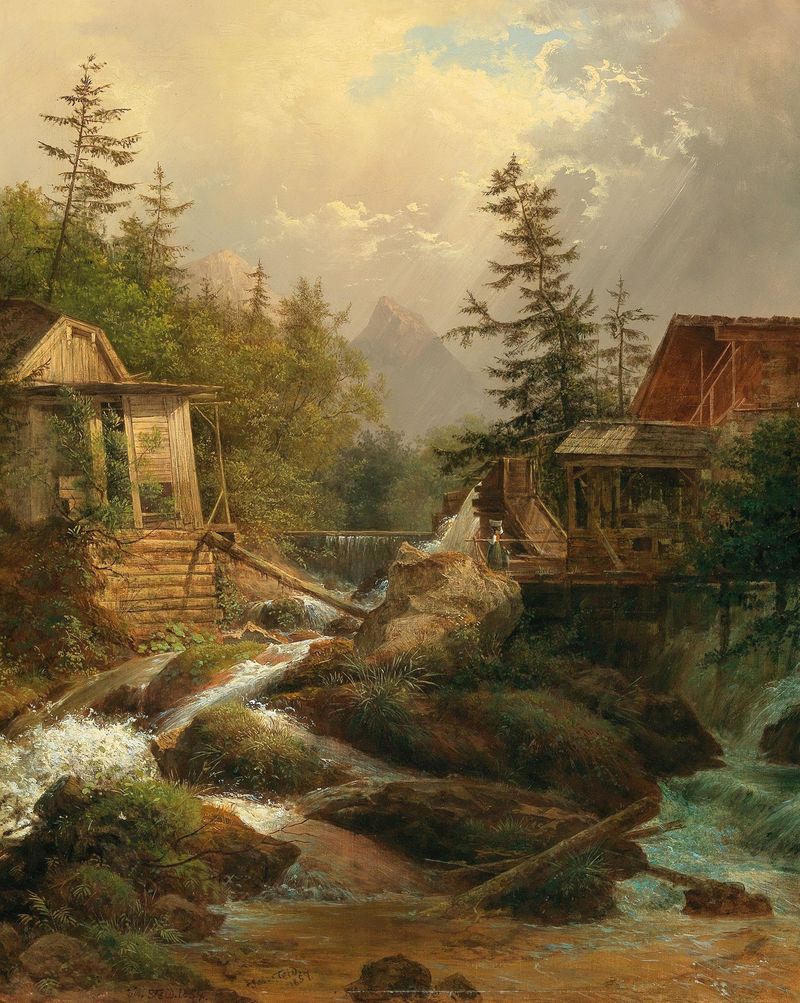
A mountain mill
Josef Feid
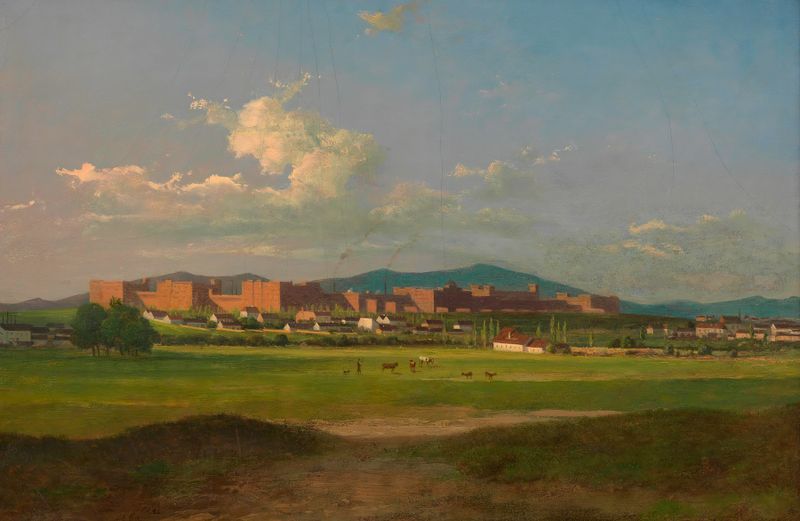
Das Arsenal in Wien
Josef Feid
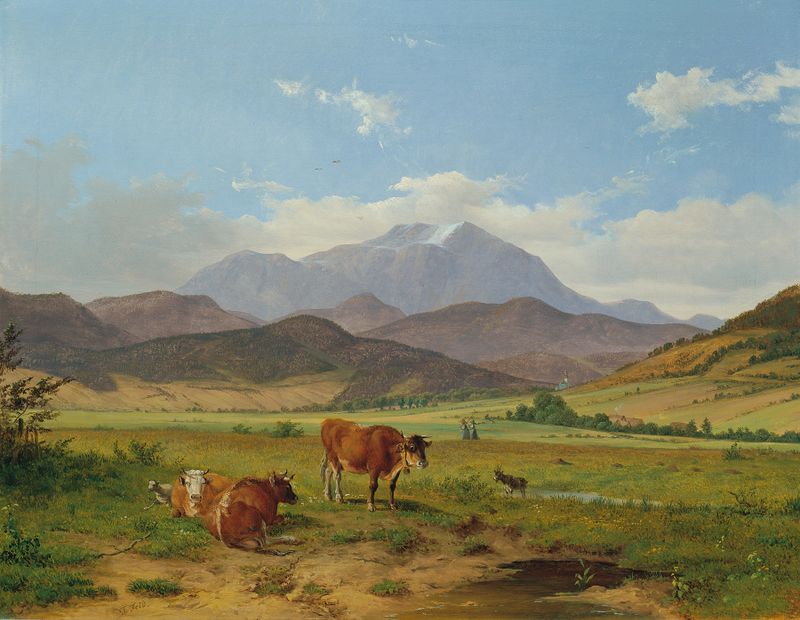
Landschaft mit Schneeberg
Josef Feid





