
Autumn, a Wood Path — History & Facts
In the world of art, such revolutions come not just from technique but from the very soul of the canvas. Look to the foreground, where the winding path beckons beneath a cascade of autumn leaves, painted in a symphony of golds and ambers. The light filters gently through the trees, casting dappled shadows that dance across the ground, enriching the depth of the scene. Notice how the artist’s deft brushwork imbues the air with a crispness that suggests the unmistakable chill of impending winter, inviting viewers to feel both the beauty and the transience of the moment. Beneath the tranquil surface lies a potent contrast between life and decay.
The path, though inviting, suggests a journey toward a quieter, more somber season—a metaphor for the cycle of existence. Each fallen leaf serves as a reminder of both the vibrancy of life and the inevitability of change. The warmth of the colors, while comforting, simultaneously carries a whisper of melancholy, reflecting a deeper sense of awareness inherent in nature’s rhythms. Created in 1876, this piece emerged during a period of significant change in American art, as artists such as Gifford began to embrace the landscape movement, capturing the sublime beauty of nature.
His work reflected a burgeoning appreciation for realism and the emotional resonance found in the natural world, coinciding with the greater shift in society following the aftermath of the Civil War. In this context, Autumn, a Wood Path stands as both a visual retreat and an introspection on the cycles that bind humanity to the landscape.
More Artworks by Sanford Robinson Gifford
Browse all →
Twilight in the Catskills
Sanford Robinson Gifford
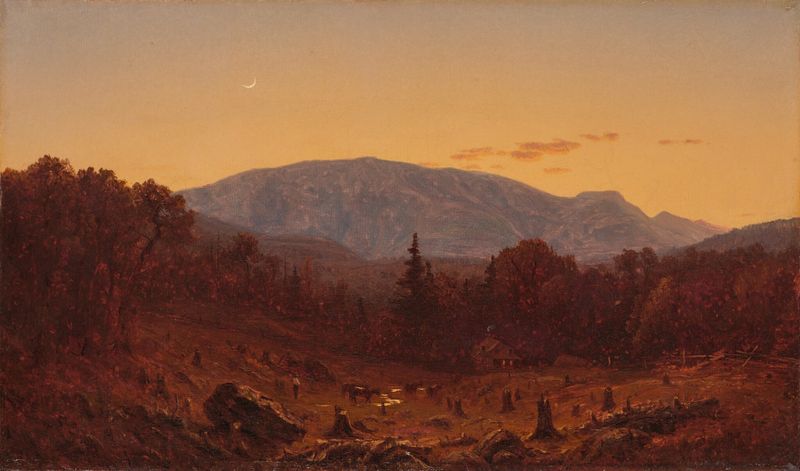
Twilight on Hunter Mountain
Sanford Robinson Gifford

Kauterskill Clove, Catskill Mountains
Sanford Robinson Gifford

Kauterskill Clove, Catskill Mountains
Sanford Robinson Gifford
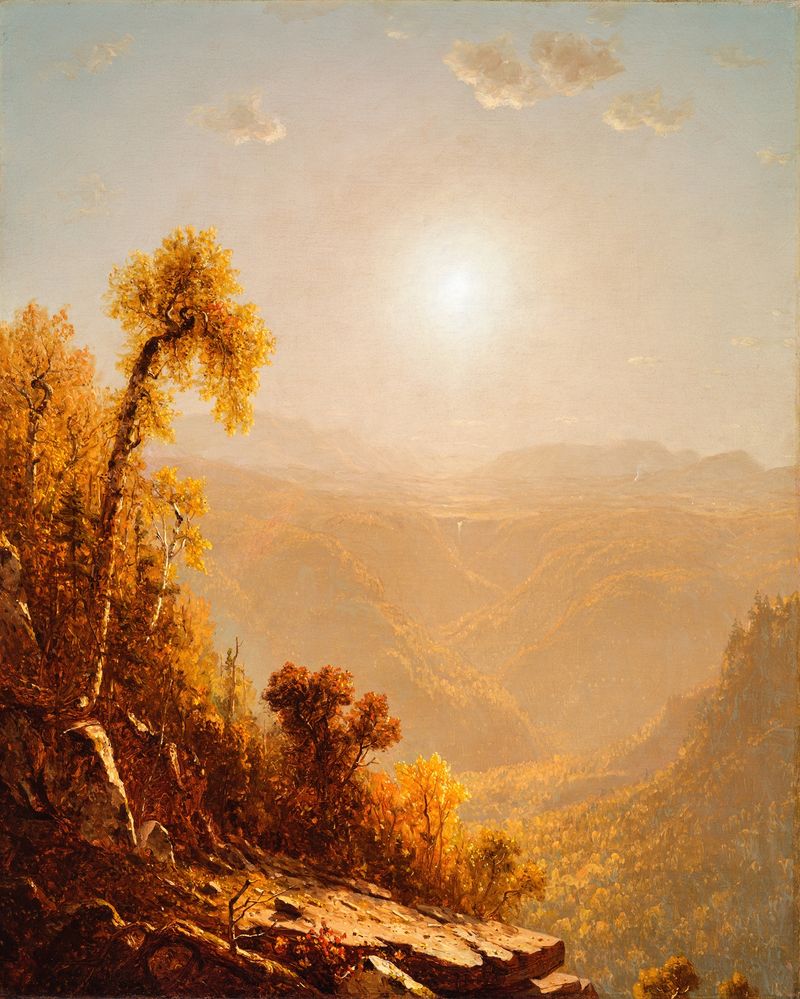
October in the Catskills
Sanford Robinson Gifford
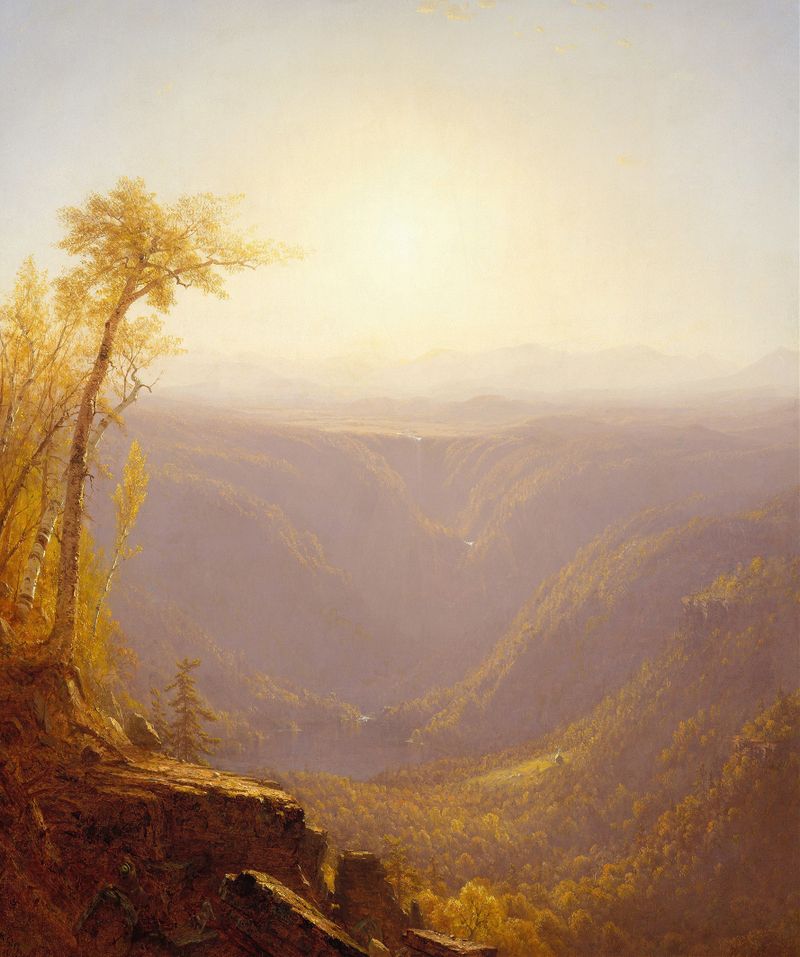
A Gorge in the Mountains (Kauterskill Clove)
Sanford Robinson Gifford
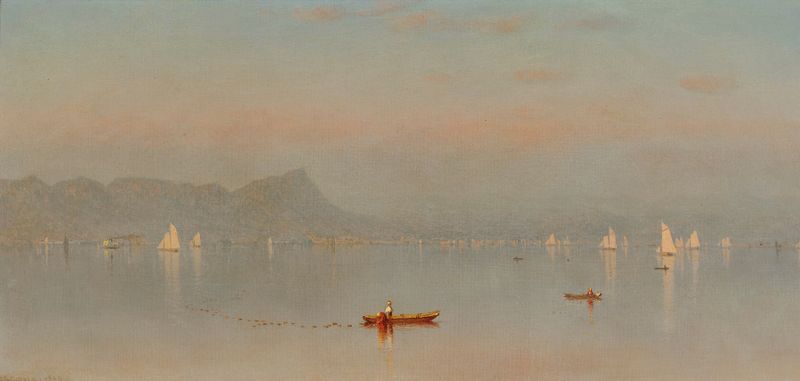
Haverstraw Bay (Shad Fishing On The Hudson)
Sanford Robinson Gifford

The Mouth of the Shrewsbury River
Sanford Robinson Gifford
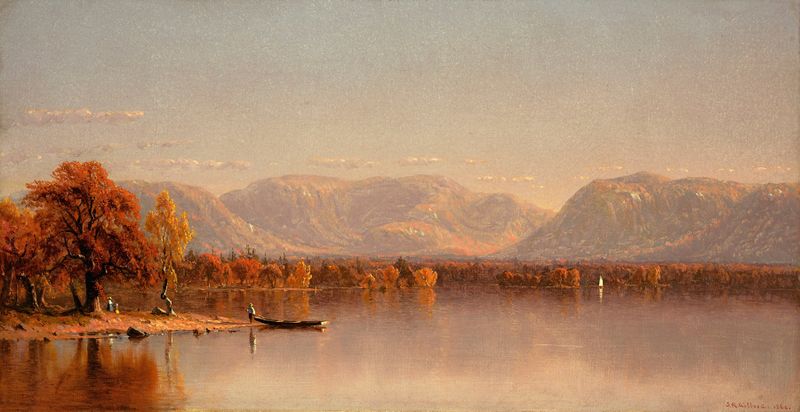
Lake Sunapee, New Hampshire
Sanford Robinson Gifford
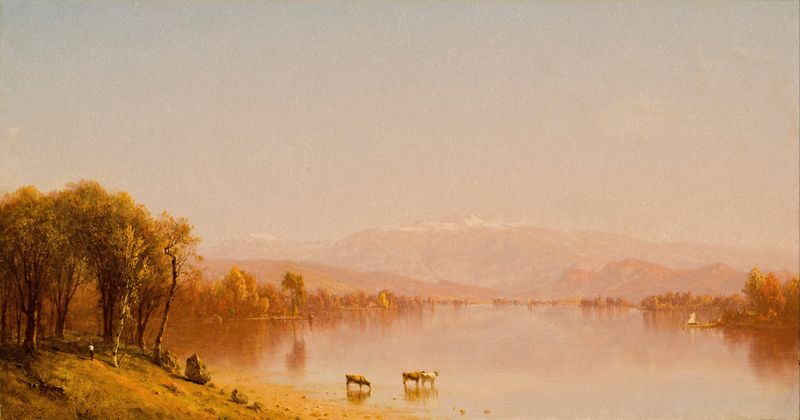
Indian Summer in the White Mountains
Sanford Robinson Gifford





