Baby — History & Facts
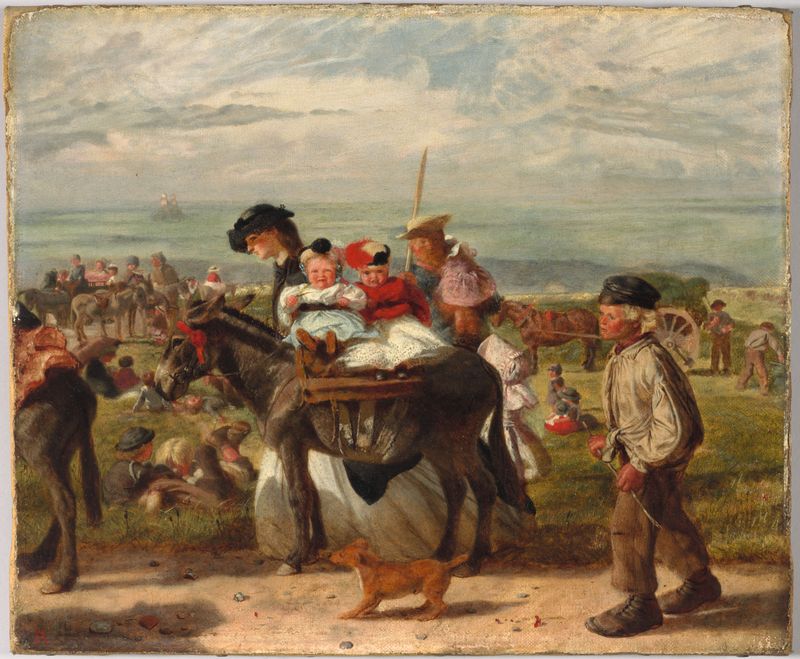
In the realm of color, emotions emerge, intertwining with our deepest feelings and perceptions. How does one capture the delicate whisper of innocence, the essence of early life, frozen in time? Look to the center of the canvas, where a swath of soft, muted hues envelops the tender infant, nestled against a backdrop of gentle pastel shades. The artist employs a delicate palette, allowing nuances of color to harmonize, creating an atmosphere that feels both intimate and ethereal.
The subtle brushwork evokes a just-breathing moment, with the light falling softly across the child’s form, illuminating features that speak of both vulnerability and unyielding hope. Beyond the surface, the juxtaposition of the serene infant against the tumult of the external world hints at deeper meanings. The colors, while soothing, are also reminiscent of the transient nature of life; they evoke a spectrum of emotions—from joy to longing. The tranquil expression on the child's face invites viewers to ponder the fragility of such innocence, masked within a chaotic world that often demands harshness and resilience. Arthur Boyd Houghton painted Baby in 1861 during a period of significant change in Victorian art.
As the Pre-Raphaelite movement was gaining momentum, artists strived to break away from academic conventions. Houghton, influenced by the Romantic ideals, sought to infuse emotion and storytelling into his works, reflecting his own exploration of color and form amid the evolving landscape of 19th-century art.