Bad Blumenstein — History & Facts
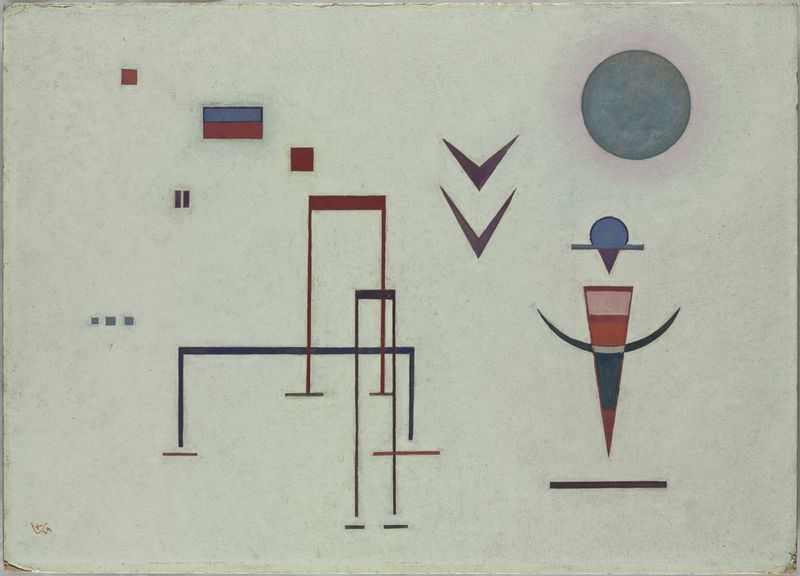
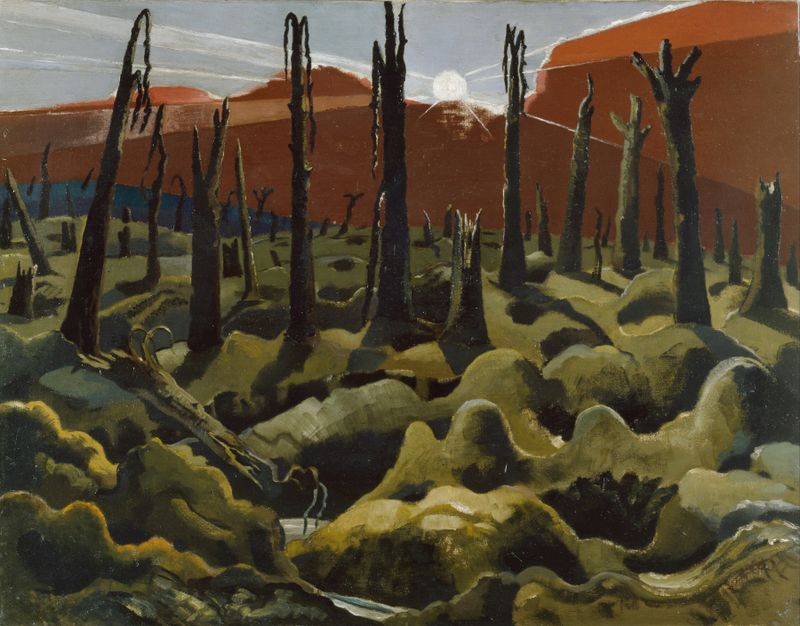
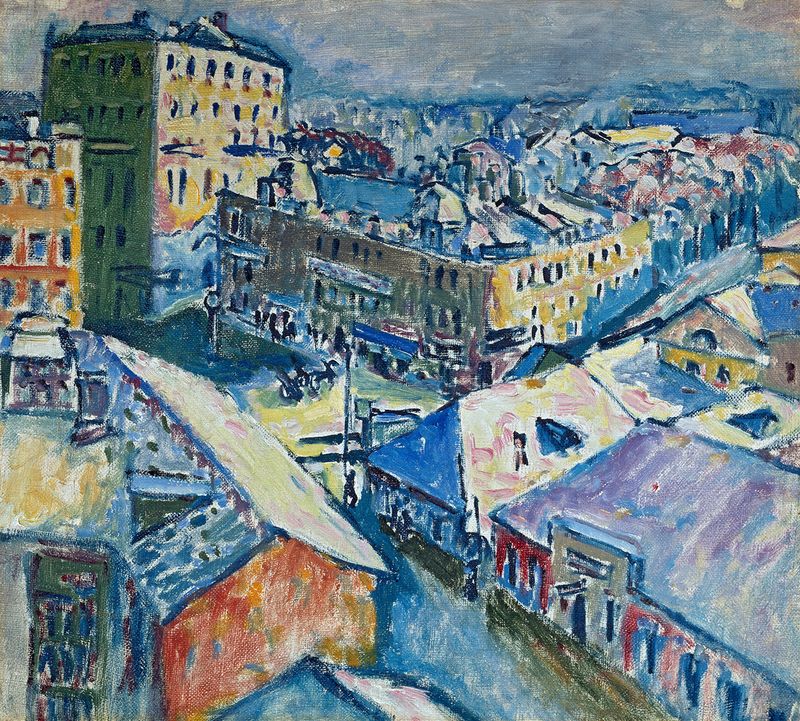
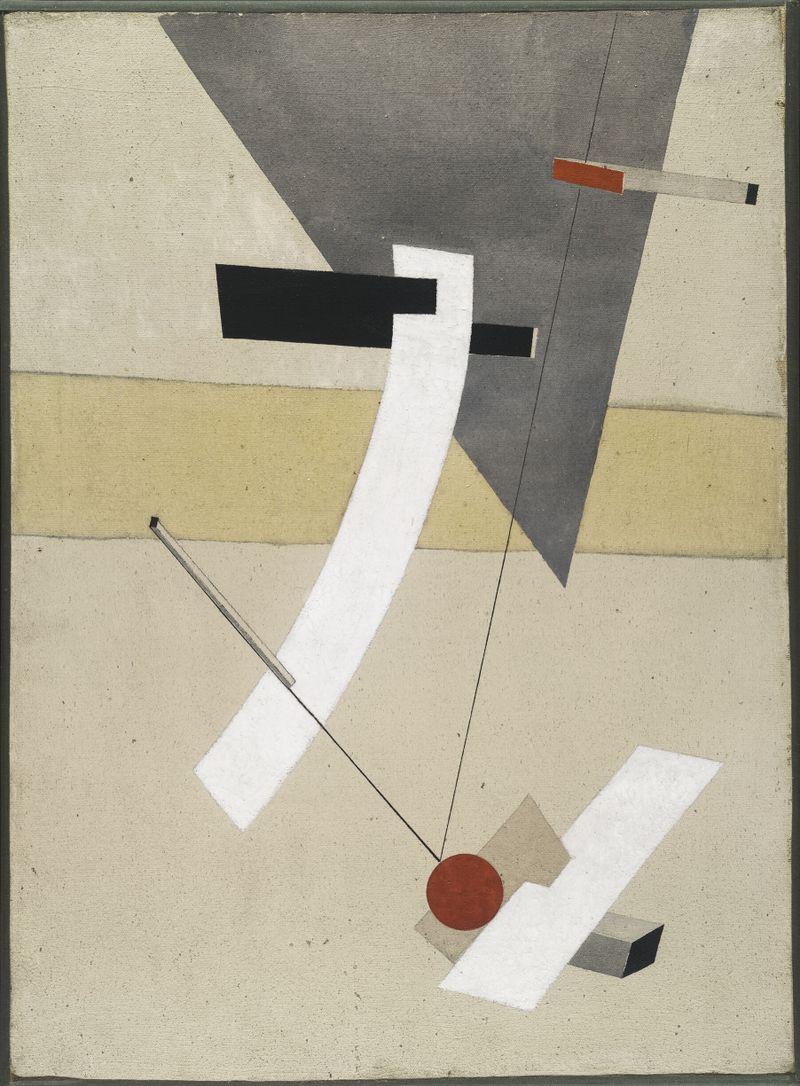
Where does light end, and longing begin? In the stillness of Bad Blumenstein, an aching silence envelops the viewer, inviting introspection and contemplation. Begin your exploration by focusing on the lower left corner, where soft, muted colors blend seamlessly into one another, creating a gentle gradient that captures the essence of twilight. Notice how the light glimmers delicately across the surface, illuminating shards of fragmented forms that evoke a sense of delicate beauty. The interplay of shadow and illumination draws your eye gradually upward, suggesting a horizon that seems both inviting and unreachable, echoing the themes of desire and yearning. Dive deeper into the emotional landscape captured within the brushstrokes.
Here, the contrasting elements of vibrancy and somber tones reveal a struggle between hope and despair. The fragmented forms suggest the remnants of something once whole, representing lost connections or faded memories. This duality resonates within the viewer, as the silence of the composition amplifies the sense of longing that permeates the work, crafting a palpable tension that remains unresolved. During the years from 1915 to 1945, Caspar Leontius Wyss created Bad Blumenstein amidst a world grappling with turmoil and transformation.
Living in a time marked by conflict and societal change, he sought refuge in his art, reflecting both personal and collective experiences. This period influenced his exploration of emotion and absence, making his work a poignant commentary on the human condition during a fractured era.
More Artworks by Caspar Leontius Wyss
Browse all →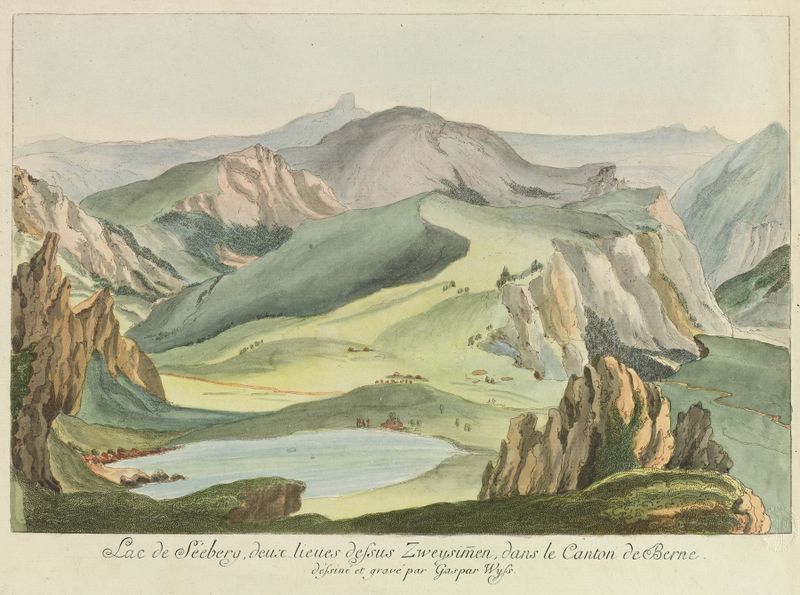
Lac de Séeberg, deux lieues dessus Zweysimmen, dans le Canton de Berne
Caspar Leontius Wyss

La Ville de Neuchattell du Cotte de l’Orient
Caspar Leontius Wyss
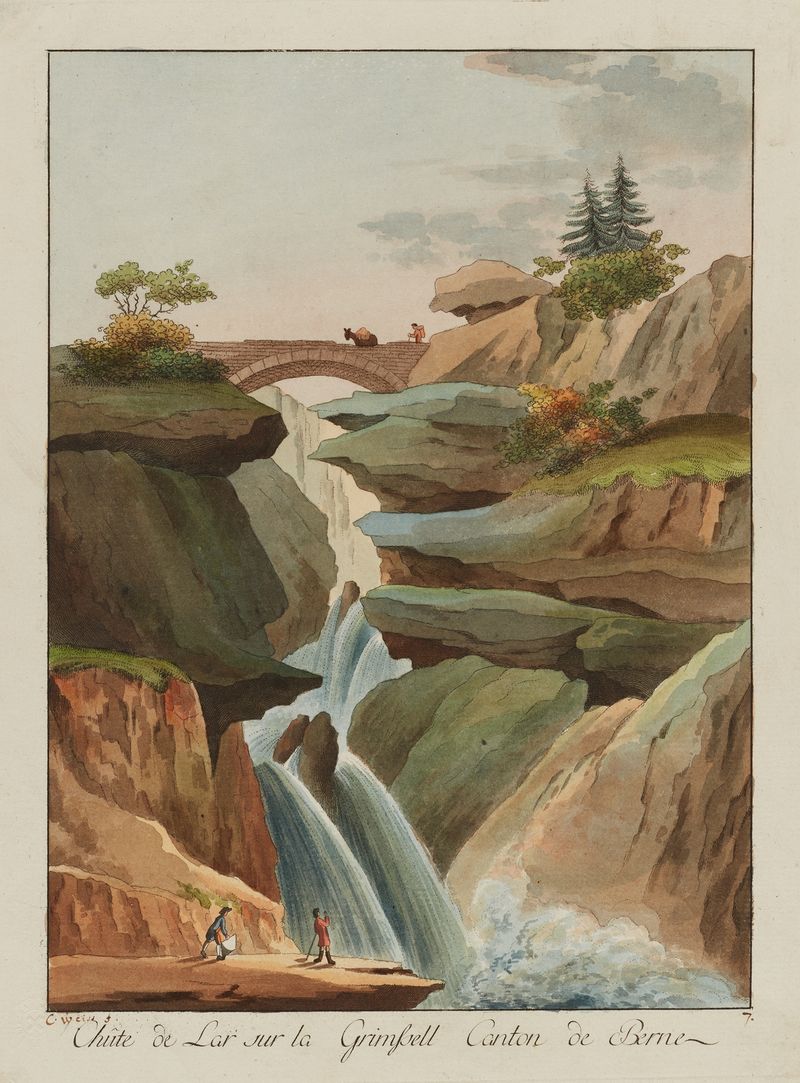
Chûte de lar sur la Grimssel Canton de Bern
Caspar Leontius Wyss
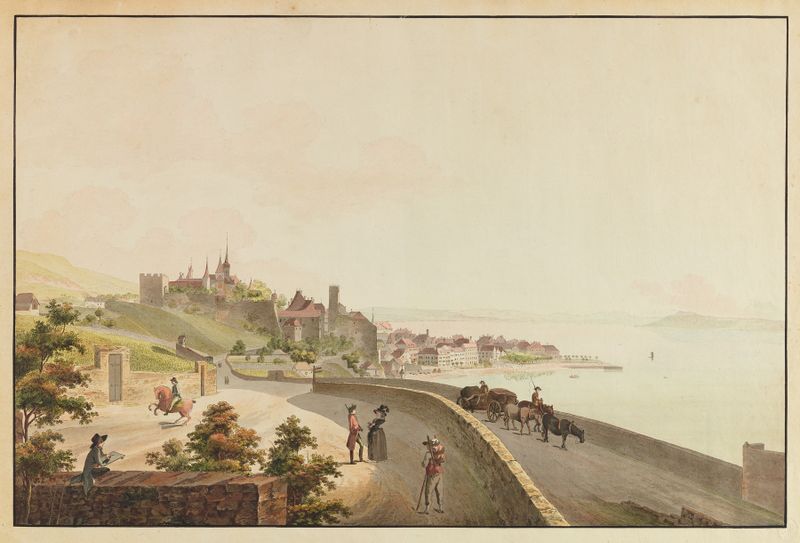
La Ville de Neuchattell du Cotte de L’Occident
Caspar Leontius Wyss
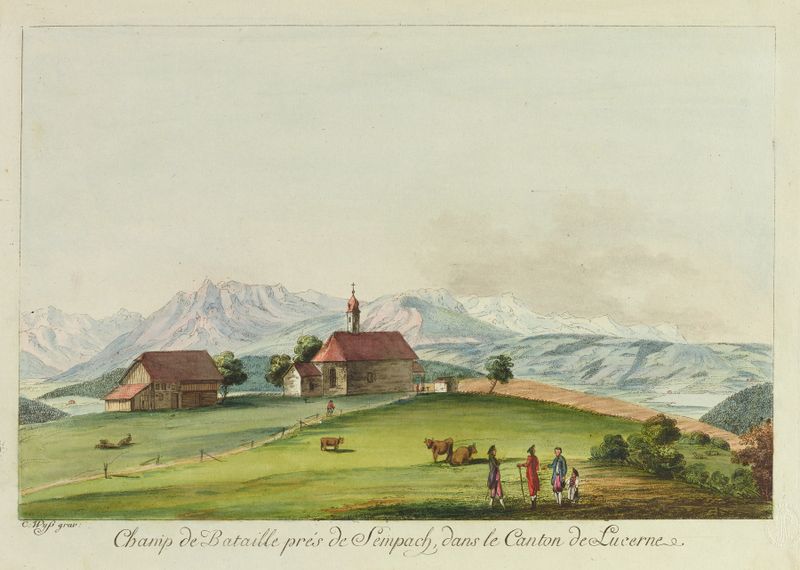
Champ de Bataille prés de Sempach, dans le Canton de Lucerne
Caspar Leontius Wyss

Maison de Paisan, dans une Caverne, prés de Thorberg, dans le Canton de Berne
Caspar Leontius Wyss
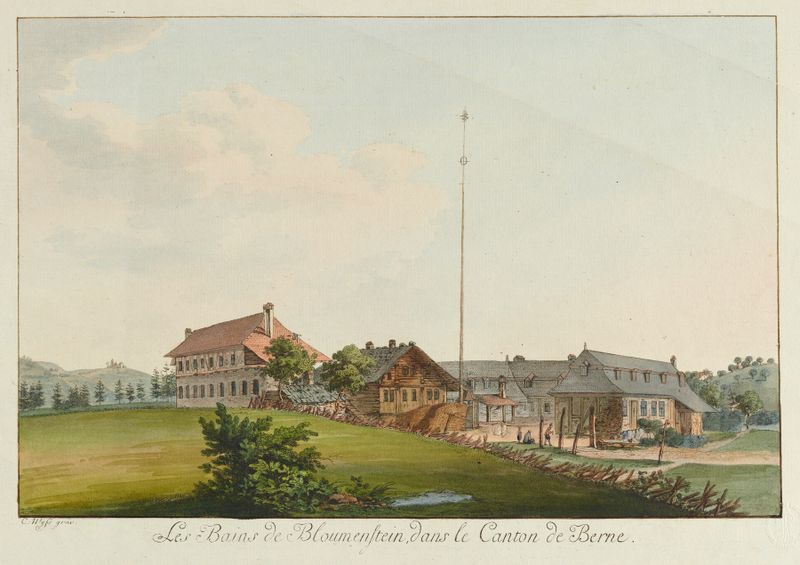
Les Bains de Bloumenstein, dans le Canton de Berne
Caspar Leontius Wyss

La Caverne de Dragon près Stanz, Canton d’Unterwalden
Caspar Leontius Wyss
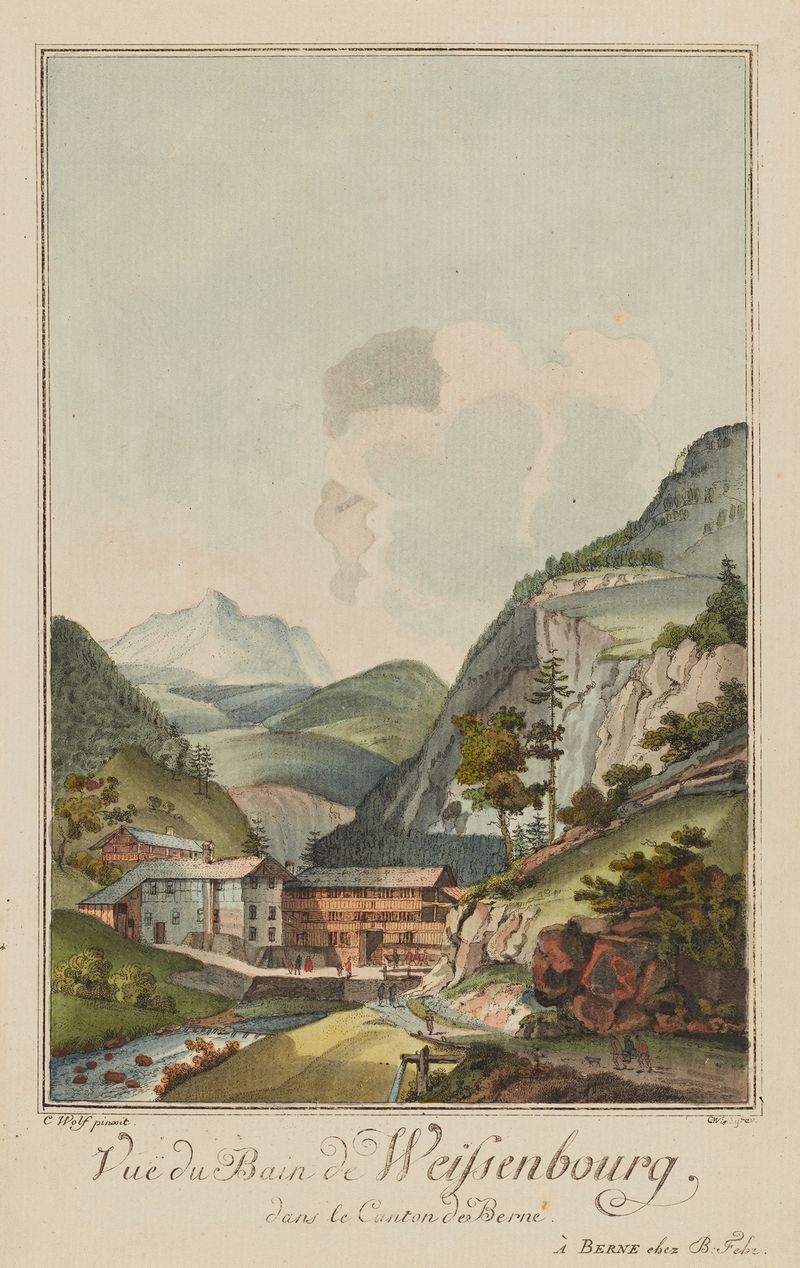
Vuë du Bain de Weissenbourg dans le Canton de Berne
Caspar Leontius Wyss
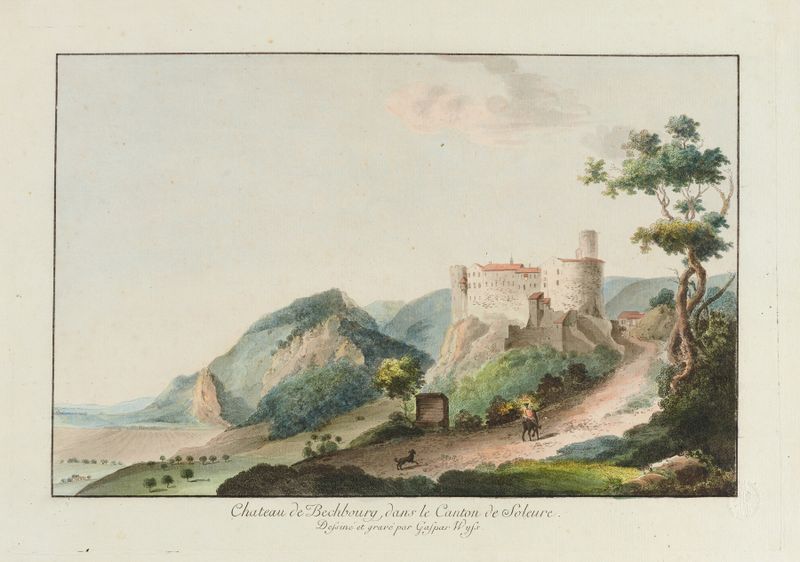
Chateau de Bechbourg, dans le Canton de Soleure
Caspar Leontius Wyss