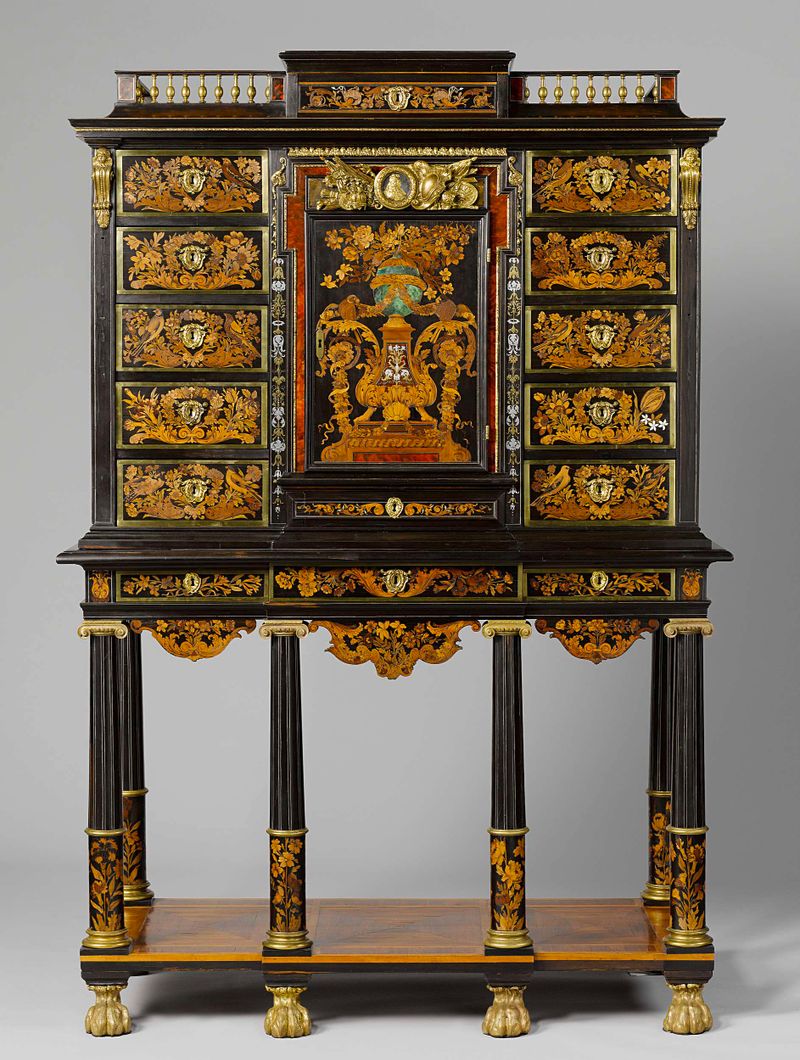
Balpoottafel, ingelegd met ebben- en palmhout. Vaasvormige poten verbonden door dubbel Y-vormig geprofileerd kruis. — History & Facts
Could a single brushstroke hold eternity? In the delicate craftsmanship of this piece, one finds the whispers of grief woven into its intricate design, as if the very wood itself mourns its own impermanence. Look closely at the table’s surface, where the rich interplay of ebony and palm wood forms a dance of shadows and light. The polished finish reflects not just the environment, but also the weight of history, each inlay telling a different story. Notice how the vase-shaped legs rise gracefully, their form accentuating both stability and fragility, as if they could shatter at the slightest hint of disturbance.
The double Y-shaped cross braces evoke a sense of unity, while simultaneously hinting at the tension inherent in their delicate balance. There is a profound contrast embedded in the piece — the opulence of the materials against the simplicity of the form. The choice of ebony, a wood often associated with luxury, juxtaposes the ephemeral nature of life itself. Each curve and contour invites introspection, encouraging the viewer to ponder loss and memory, and how beauty can emerge from sorrow.
The craftsmanship may be the artist's way of preserving fleeting moments, suggesting that grief, though heavy, can lead to unparalleled artistry. Created between 1620 and 1650, this table stands as a testament to a time of shifting aesthetics and burgeoning craftsmanship in the Netherlands. The unknown artisan, likely influenced by the meticulous attention to detail found in Northern Renaissance art, may have sought to capture not just functionality but also an emotional resonance. During this period, art became a mirror reflecting both personal and collective experiences, and this piece embodies the quiet, yet profound, act of remembering.
More Artworks by Unknown Artist
Browse all →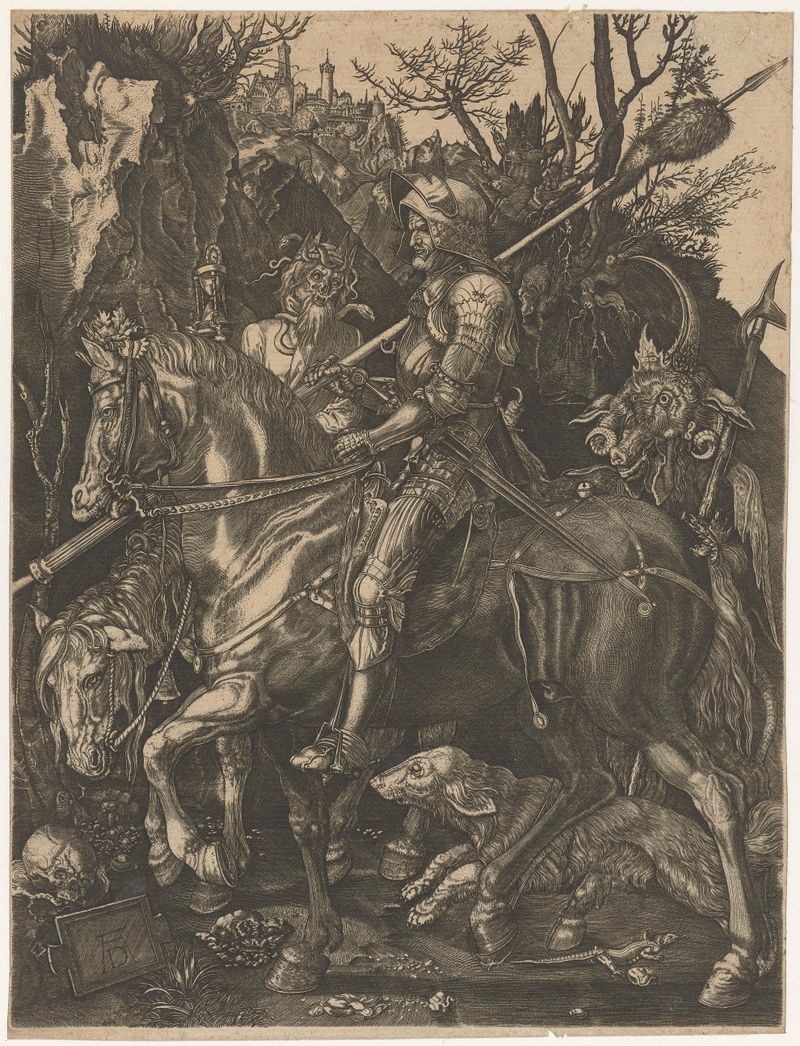
Ridder, Dood en Duivel
Unknown Artist
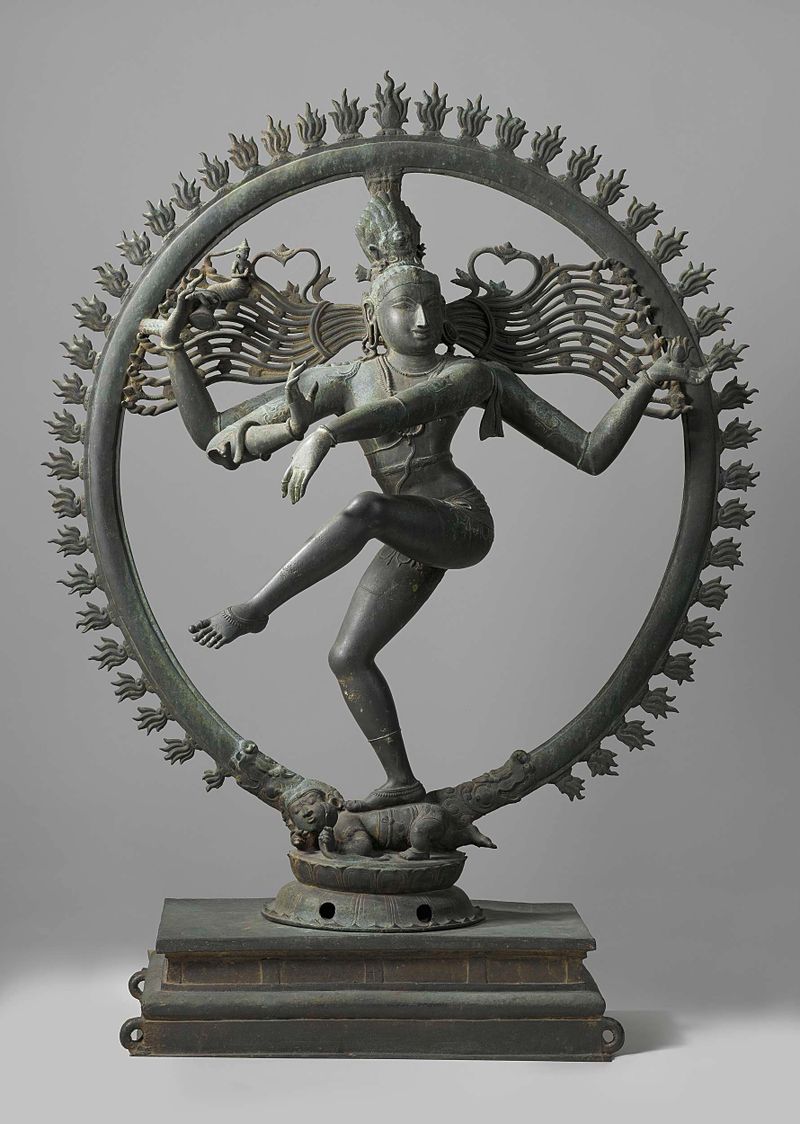
Shiva Nataraja
Unknown Artist
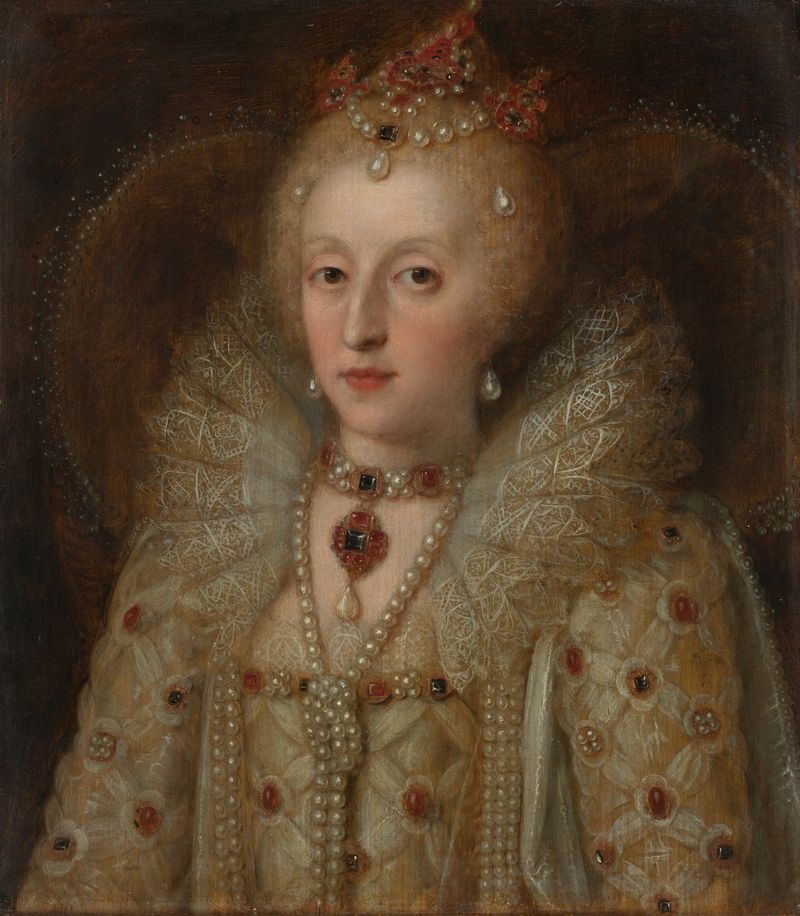
Portrait of Elizabeth I, Queen of England
Unknown Artist
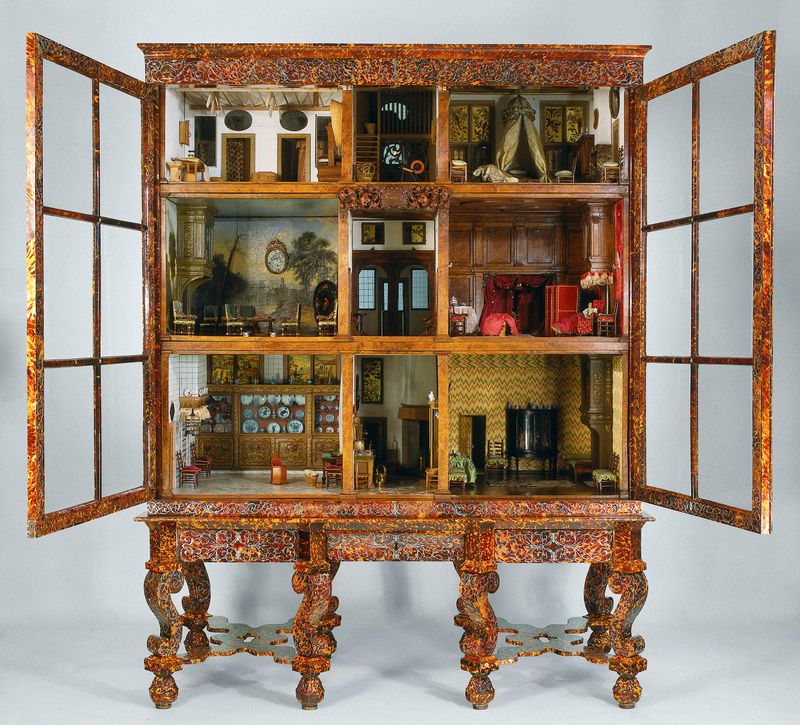
Dolls’ house of Petronella Oortman
Unknown Artist
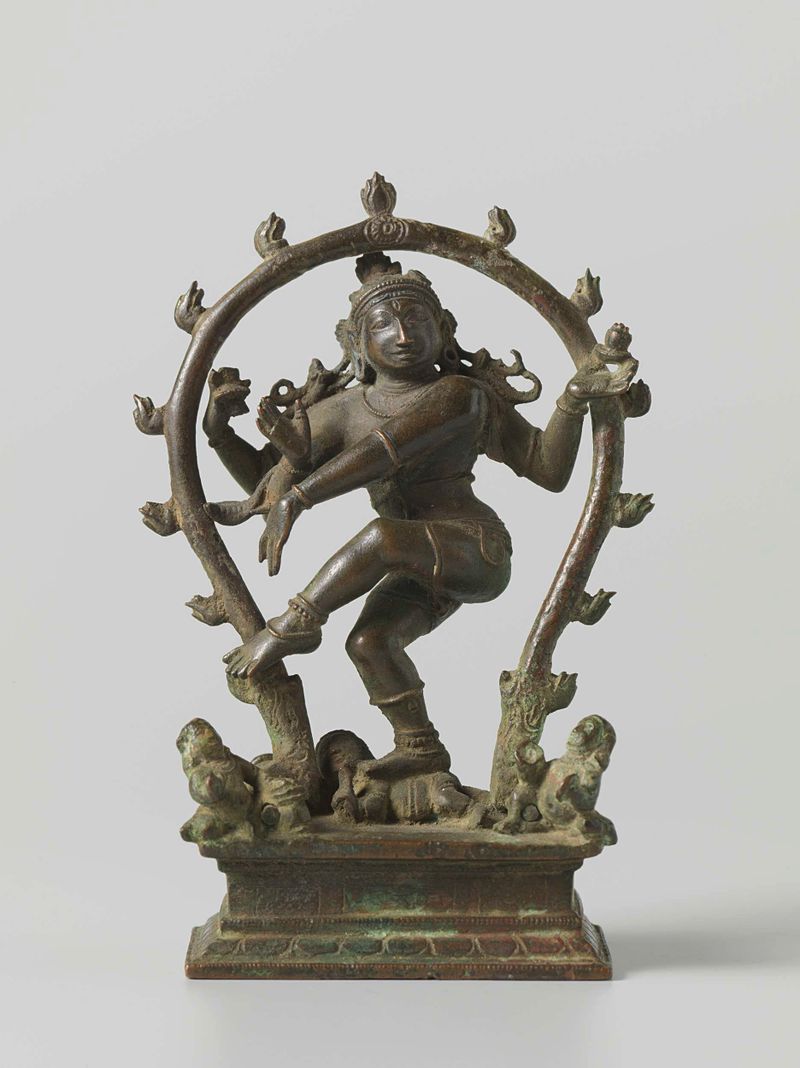
Shiva Nataraja
Unknown Artist

The Tale of Genji
Unknown Artist

The Tale of Genji
Unknown Artist

Cong
Unknown Artist
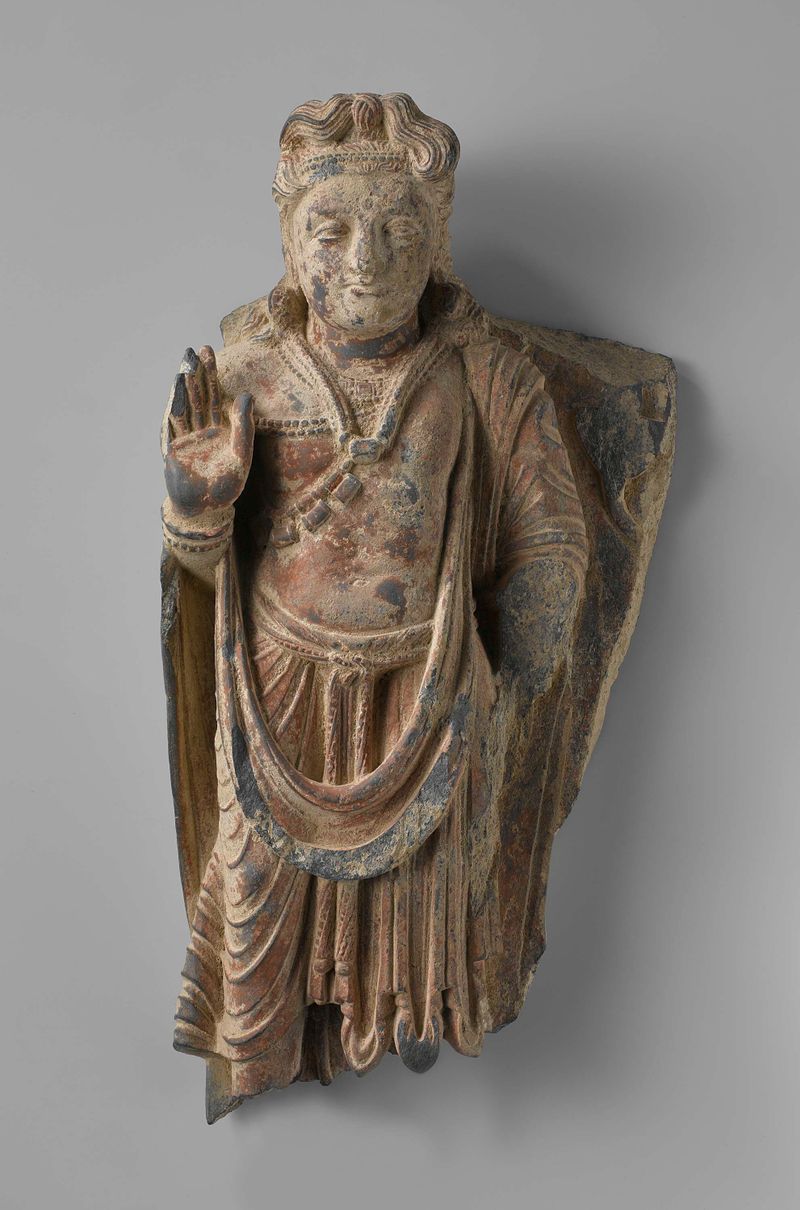
The bodhisattva Maitreya
Unknown Artist

Teabowl with a 'hare's fur' glaze
Unknown Artist