Barnyard Scene — History & Facts
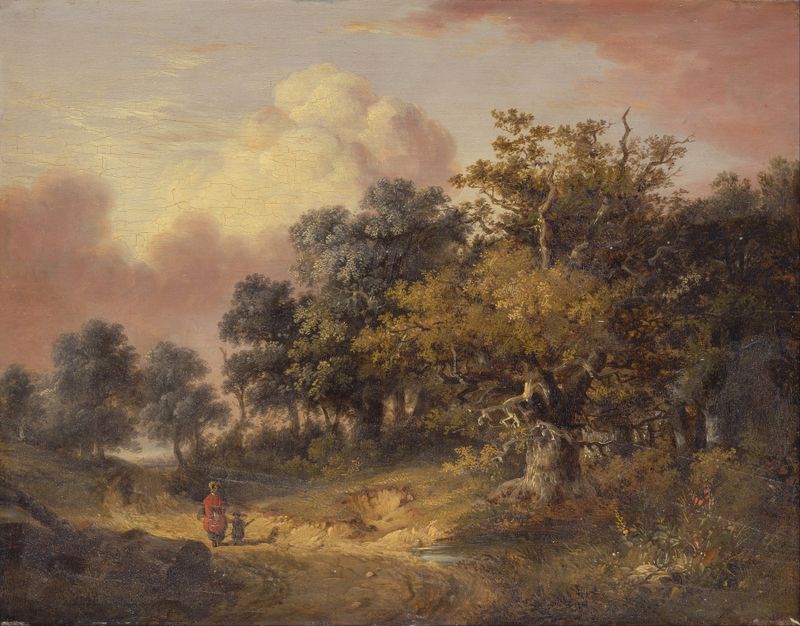
In the unyielding grip of obsession, the world often unfolds a delicate balance of beauty and disorder. There in the barnyard, amid the clucking and rustling, one can sense an underlying harmony that transcends mere representation. Look to the foreground where a cluster of animals congregates, their forms rendered with both meticulous detail and a spirited energy. The earthy tones of browns and greens blend seamlessly, creating a natural tapestry that draws the eye.
Notice how the strokes vary; some are bold and sweeping, while others flicker delicately, capturing the very essence of movement. The light falls softly, illuminating the warm textures of the hay, inviting you to step into this pastoral haven. Yet, beneath this idyllic surface lies a tension between chaos and order. The lively interactions between the animals suggest a symphony of life and instinct, while the careful arrangement of space evokes a sense of control and composition.
The subtle contrast between the vibrant chaos of the creatures and the tranquil background speaks to the artist’s understanding of balance and the obsession for capturing life as it is – raw yet beautiful. Robert Ladbrooke painted this piece during a period marked by vibrant interest in rural life and the representation of nature. While specific dates for this work remain elusive, he was active in the 19th century, a time when artists were increasingly drawn to the charm of countryside scenes and the complexities of daily existence. This context of artistic exploration offered a fertile ground for Ladbrooke’s passion, allowing him to delve into the transformative power of rural imagery.