
Barrow on the island of Brandsø — History & Facts
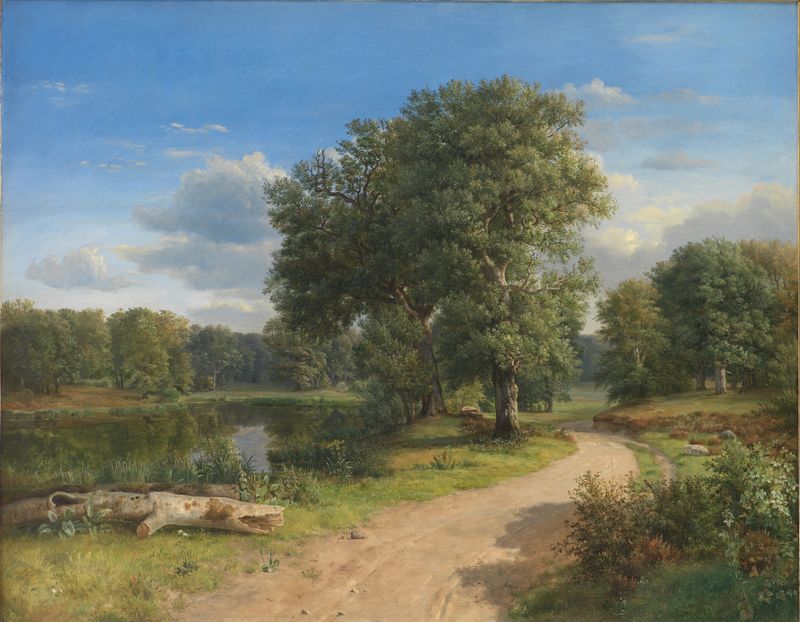
What secret hides in the quiet of the canvas? The stillness of Barrow on the island of Brandsø invites us to listen closely, to uncover the whispers of history beneath its serene surface. Look to the foreground where the barrow, a mound of earth, stands resolute against a backdrop of rolling hills and a muted sky. The artist employs a delicate palette of greens and browns, infused with soft grays that convey a sense of timelessness. Notice how the light gently caresses the contours of the burial mound, highlighting its significance while casting long shadows that hint at the passage of time.
The careful brushwork creates an organic texture that draws the viewer's eye, evoking a profound connection to the land and its ancient stories. Amidst this tranquility lies a tension between the past and present. The burial mound symbolizes not just a resting place, but a reminder of the lives lived and lost, representing the continuity of existence amidst inevitable change. The lush landscape surrounding the barrow serves as a contrasting canvas of life, brimming with potential, yet overshadowed by the solemnity of the past.
As we contemplate the scene, we cannot ignore the quiet revolution brewing in the world outside the canvas—a yearning for renewal and understanding of heritage. In 1842, as Barrow on the island of Brandsø came to life under the brush of Dankvart Dreyer, Denmark was at a crossroads. The artist found himself immersed in a period marked by burgeoning nationalism and cultural reflection. His paintings often explored themes of heritage and identity, resonating with a society seeking to define itself amid the sweeping changes of the 19th century.
More Artworks by Dankvart Dreyer
Browse all →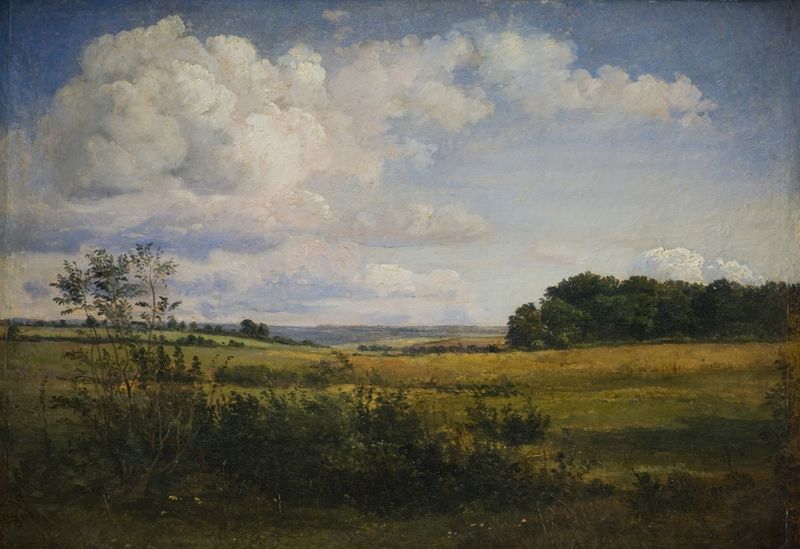
Landscape with Sunlit Clouds
Dankvart Dreyer

A Funen Landscape at Harvest Time with Wedellsborghoved in the Background
Dankvart Dreyer

Landscape near Silkeborg, Jutland
Dankvart Dreyer
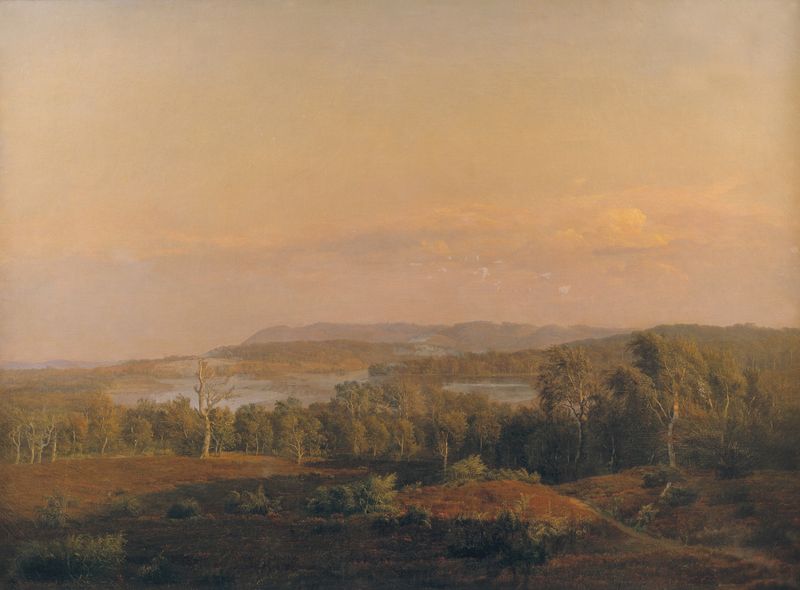
A View towards Himmelbjerget, Jutland. Evening
Dankvart Dreyer

A forest lake surrounded by birches. Study
Dankvart Dreyer
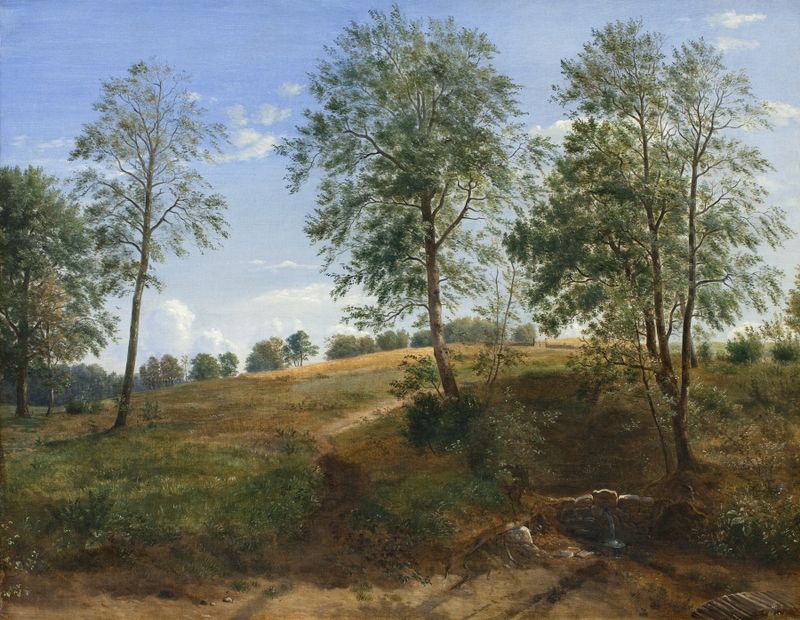
The Caroline Spring at Næsby on Funen
Dankvart Dreyer
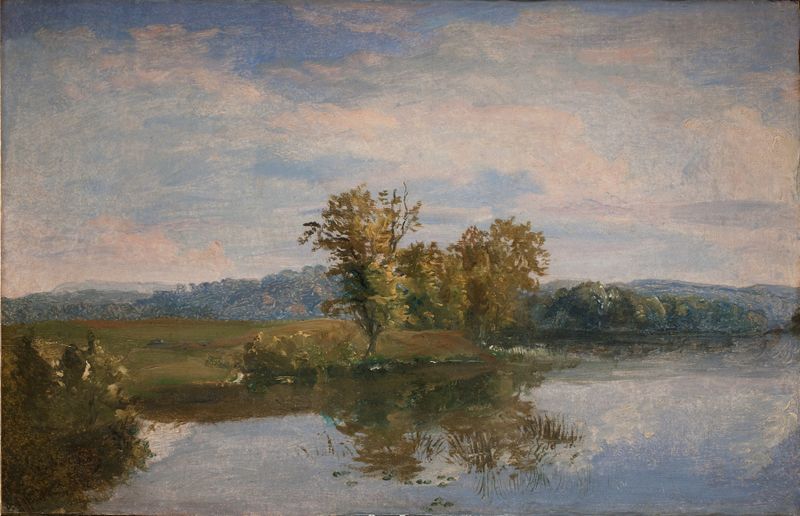
A View of Lake Vejl near Silkeborg, Jutland
Dankvart Dreyer

Moonlight. The west coast of Jutland at Bovbjerg
Dankvart Dreyer

The Deer Park North of Copenhagen
Dankvart Dreyer
Landscape near Hammermøllen, North Zealand
Dankvart Dreyer





