
Bathseba en een dienaar van David — History & Facts
Could beauty survive in a century of chaos? In the tumultuous waters of the early 16th century, this artwork captures the delicate balance between allure and shadow, evoking questions that resonate through time. Look closely at the figure of Bathsheba on the left, her luminous skin contrasting against the darker hues surrounding her. Notice how the artist has employed chiaroscuro, where the juxtaposition of light and shadow creates a palpable tension. The soft glow on her face draws your eye, while the draped fabric subtly suggests vulnerability.
The servant on the right, with a gesture of offering, remains a shadowy counterpart — both an observer and a participant in her world. There’s a poignant interplay of power and submission here. Bathsheba's expression suggests contemplation, perhaps even trepidation, as she grapples with her beauty and its implications. The servant's presence, while seemingly secondary, hints at the social hierarchies at play, illuminating the dualities of desire and duty.
The shadows around both figures echo the complexities of their circumstances, framing their narrative within a historical and moral context that remains timeless. Created between 1520 and 1540, this piece reflects an era marked by significant cultural shifts and political upheaval. The artist, whose identity remains unknown, likely painted during the Renaissance's height, a period that celebrated humanism yet struggled against the backdrop of religious conflict. This painting, while anonymous, embodies the lingering questions of ethics and human experience that echoed throughout society, inviting viewers to reflect on the intricate dance of light and dark in both art and life.
More Artworks by Unknown Artist
Browse all →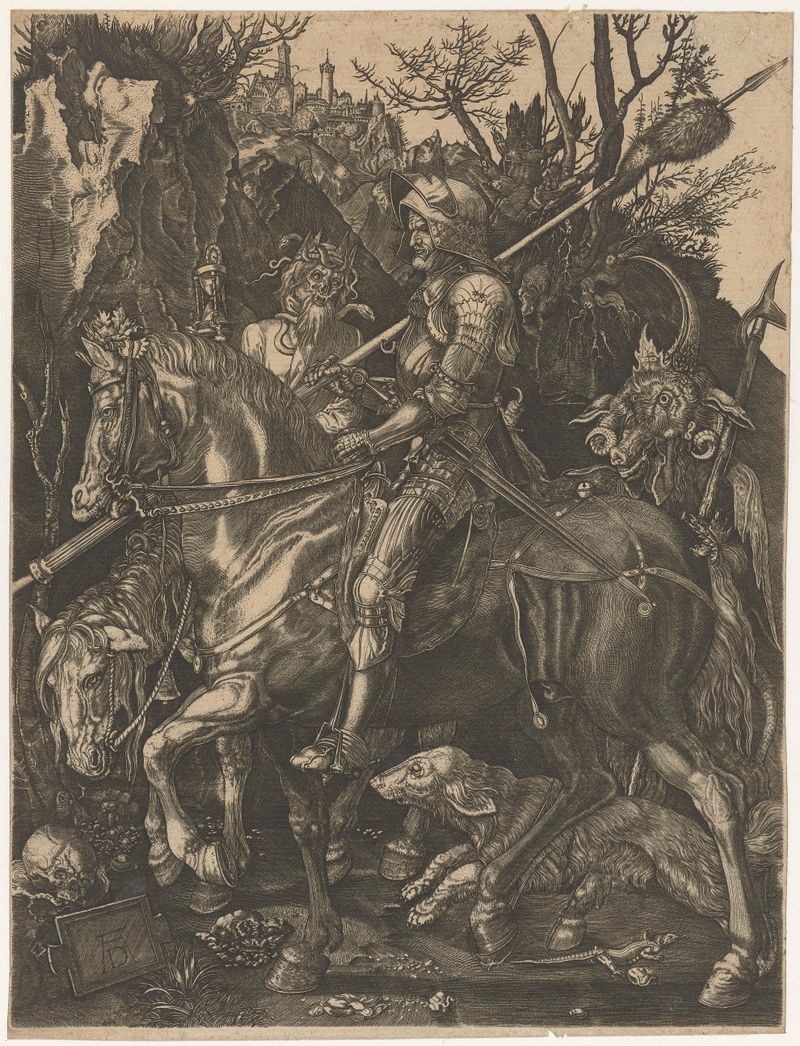
Ridder, Dood en Duivel
Unknown Artist
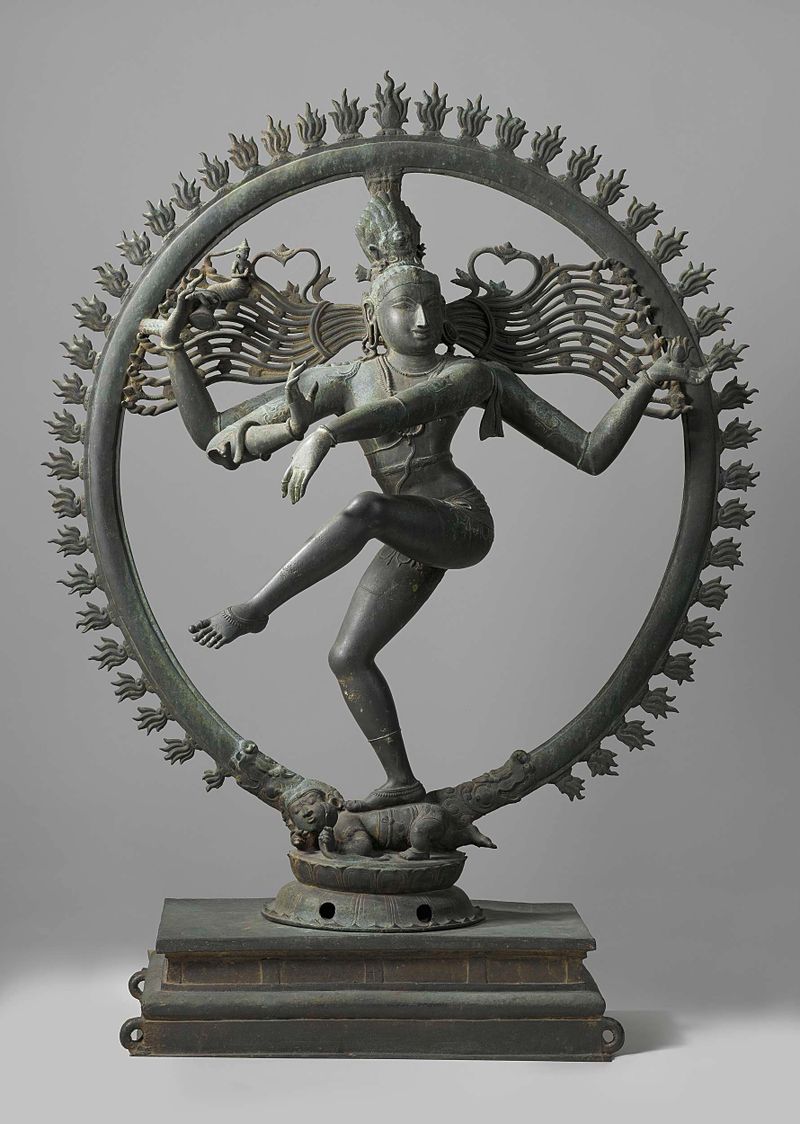
Shiva Nataraja
Unknown Artist
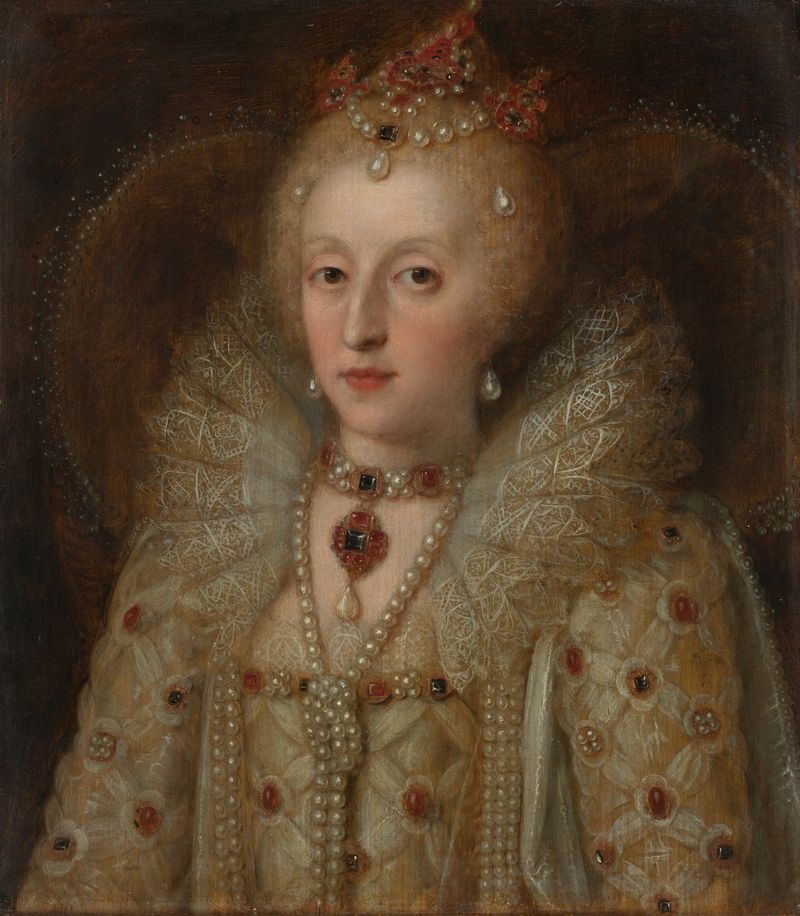
Portrait of Elizabeth I, Queen of England
Unknown Artist
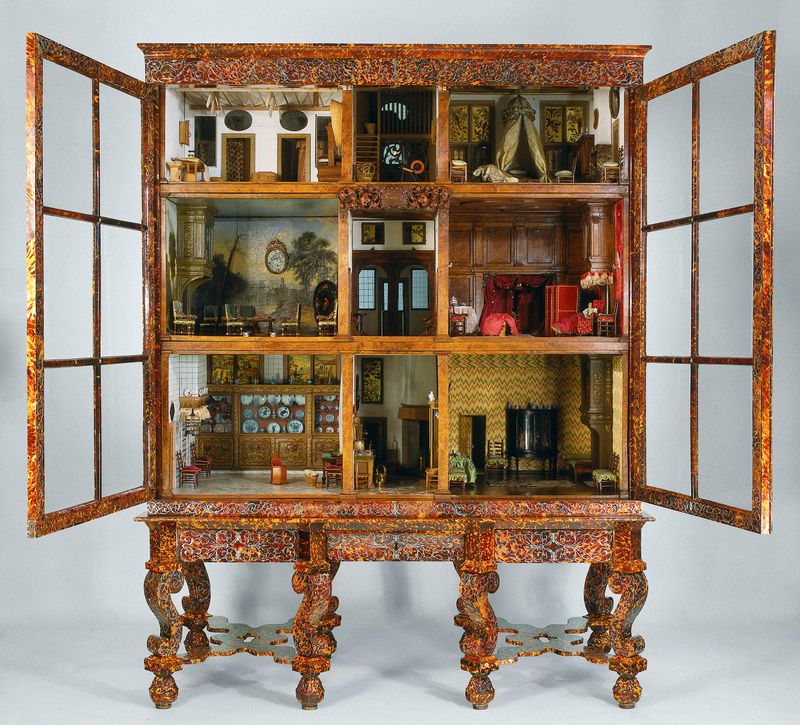
Dolls’ house of Petronella Oortman
Unknown Artist
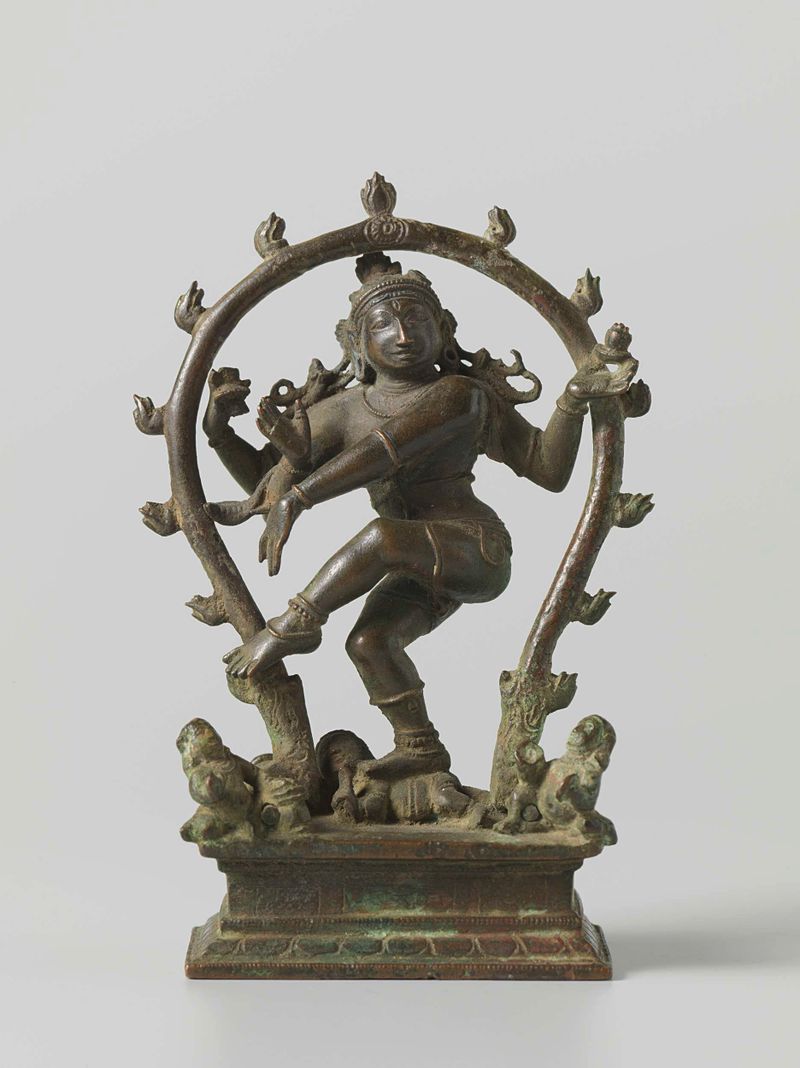
Shiva Nataraja
Unknown Artist

The Tale of Genji
Unknown Artist

The Tale of Genji
Unknown Artist
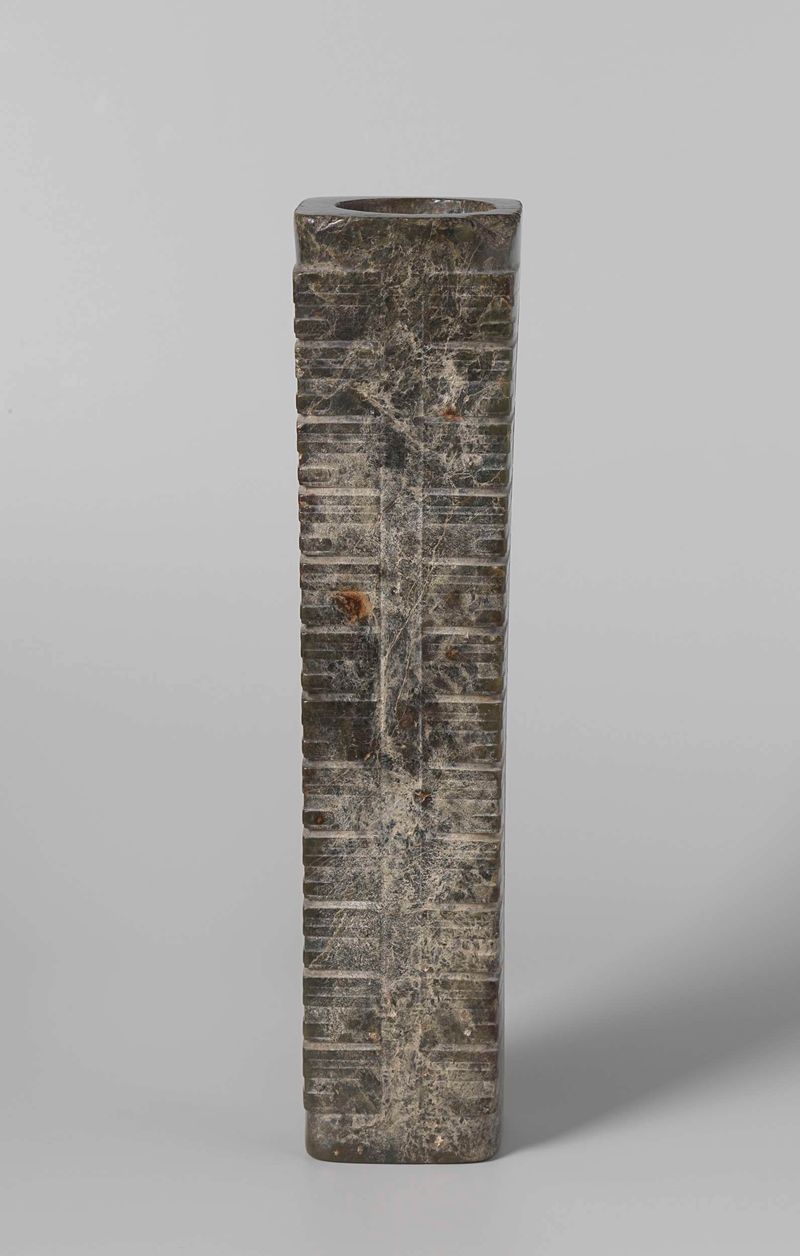
Cong
Unknown Artist
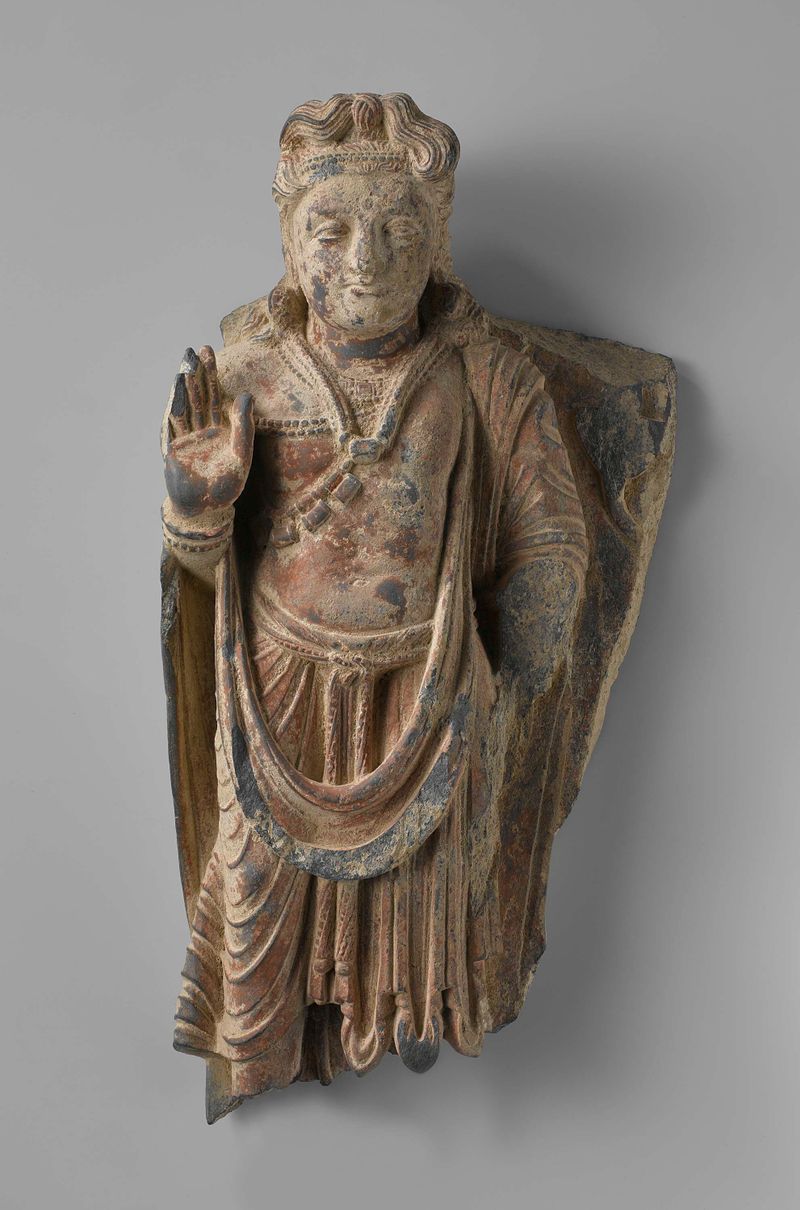
The bodhisattva Maitreya
Unknown Artist
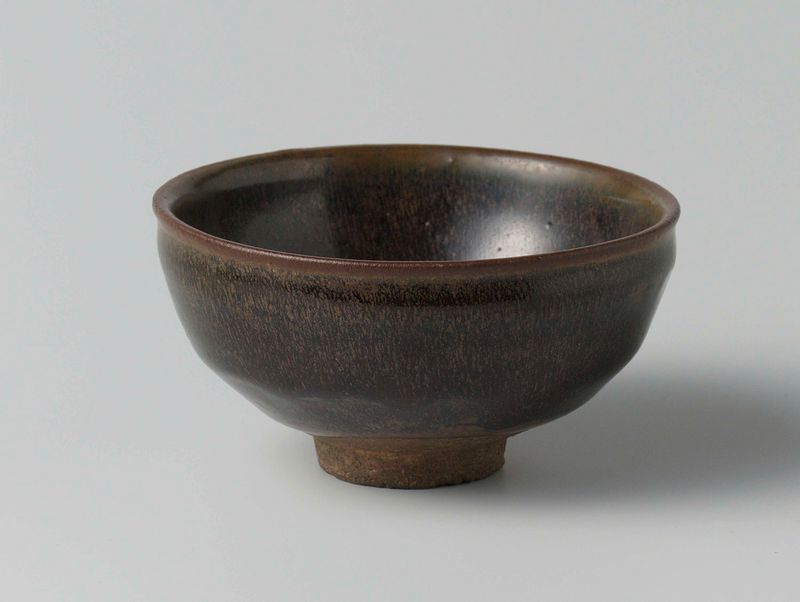
Teabowl with a 'hare's fur' glaze
Unknown Artist
More Religious Art
Browse all →
The Return of the Prodigal Son
Rembrandt van Rijn

The Garden of Earthly Delights
El Bosco

Count Orgaz’ funeral
El Greco

The Hundred Guilder Print: the central piece with Christ preaching, the plate arched
Rembrandt van Rijn

The Descent from the Cross
Rogier van der Weyden

The return of the prodigal son
Rembrandt van Rijn