Baumstudie an der Donau — History & Facts
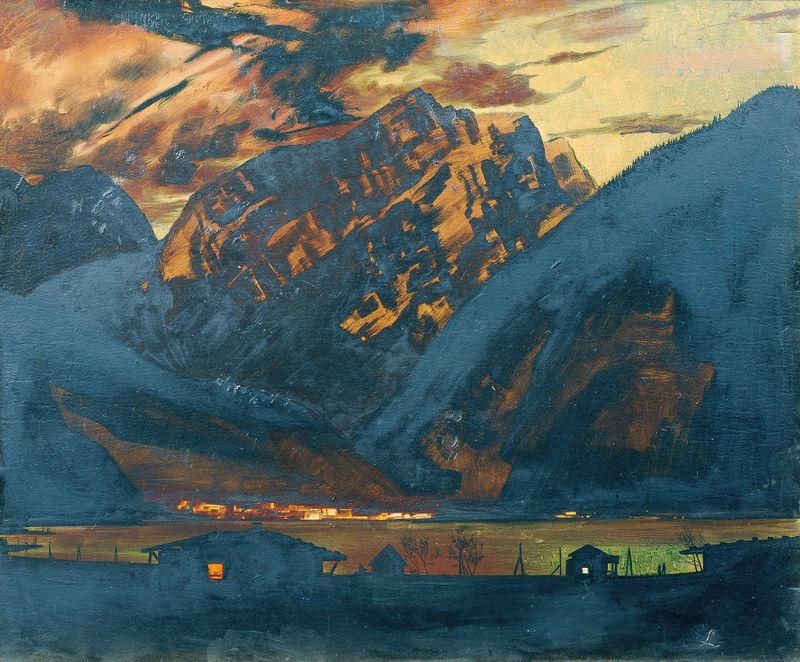
In the stillness of a serene landscape, fear lingers, whispering through the rustling leaves and the shadows cast by overhanging branches. It speaks to the haunting presence of nature, where beauty intertwines with apprehension. Look to the left at the intricate bark of the trees, each texture painstakingly detailed, revealing the artist's devotion to realism. The muted greens and browns evoke a sense of calm, yet the interplay of light and shadow creates an unsettling tension.
Notice how the sunlight filters through the canopy above, illuminating patches of ground where the undergrowth seems to cower in its presence. This juxtaposition invites the viewer into a space that is both inviting and foreboding. As you delve deeper into the composition, the sensation of isolation unfolds. The trees stand in silent witness, yet the emptiness between them becomes palpable, a stark reminder of vulnerability.
The still water of the Danube, a central element in the painting, reflects not only the surrounding foliage but also the underlying fears that pervade the scene—uncertainties about nature and humanity's place within it. Each element beckons contemplation of solitude and the echo of unseen dangers lurking just beyond the frame. Klemens Brosch created Baumstudie an der Donau in 1926 while living in Vienna, during a time of great transformation in the art world. The interwar period was marked by political upheaval and shifting cultural landscapes, which influenced many artists.
This work reflects Brosch’s exploration of the natural world, merging meticulous detail with an atmosphere that hints at underlying tensions, reflective of both his personal context and the broader anxieties of the era.