Baya Lane, St. Augustine, Florida — History & Facts
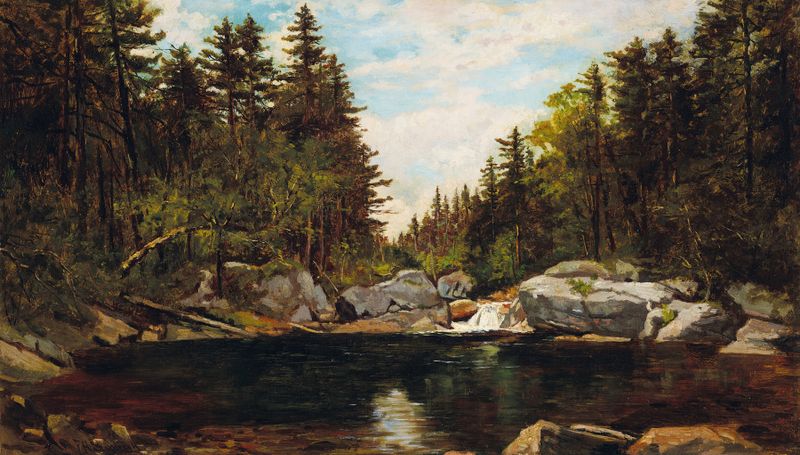
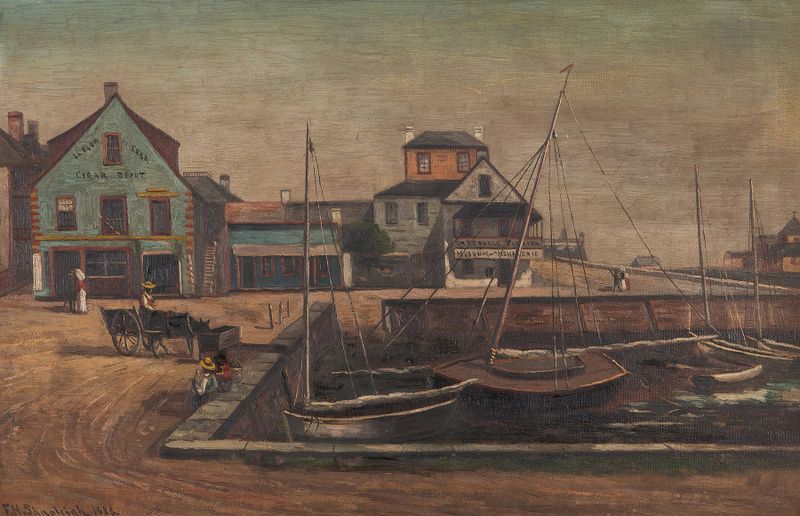
In moments of quiet stillness, we often find faith woven into the fabric of our surroundings. The act of observation becomes a testament to our inner beliefs and the stories we carry. Look to the left, where the gentle curve of Baya Lane draws you into the heart of the piece. Shapleigh's delicate brushwork captures the dappled sunlight filtering through the lush foliage, creating a play of light and shadow on the pathway.
The vibrant greens and earthy browns are contrasted by soft hints of blue sky peeking through the trees, suggesting a serene invitation to explore. Every stroke feels deliberate, guiding the viewer's eye along the lane, transporting you to an intimate moment in this sun-drenched sanctuary. Beneath the tranquil surface lies a profound faith in nature's beauty and the solace it brings. The juxtaposition of the narrow, winding path and the expansive sky evokes a sense of journey and possibility, reminding us of the small yet significant steps we take in life.
Additionally, the tension between light and shadow symbolizes the balance between hope and uncertainty, inviting contemplation of what lies ahead on that hidden road. In 1887, Frank Henry Shapleigh painted this work while living in St. Augustine, a time when American artists were beginning to embrace impressionistic techniques. The region's rich history and natural beauty inspired many artists, and Shapleigh’s engagement with local landscapes reflected a growing movement towards capturing the essence of place.
This piece stands as a testament to the artist’s dedication to portraying the profound connection between humanity and the environment, emphasizing a faith in the moments that nature provides.