
Bayrische Landschaft — History & Facts
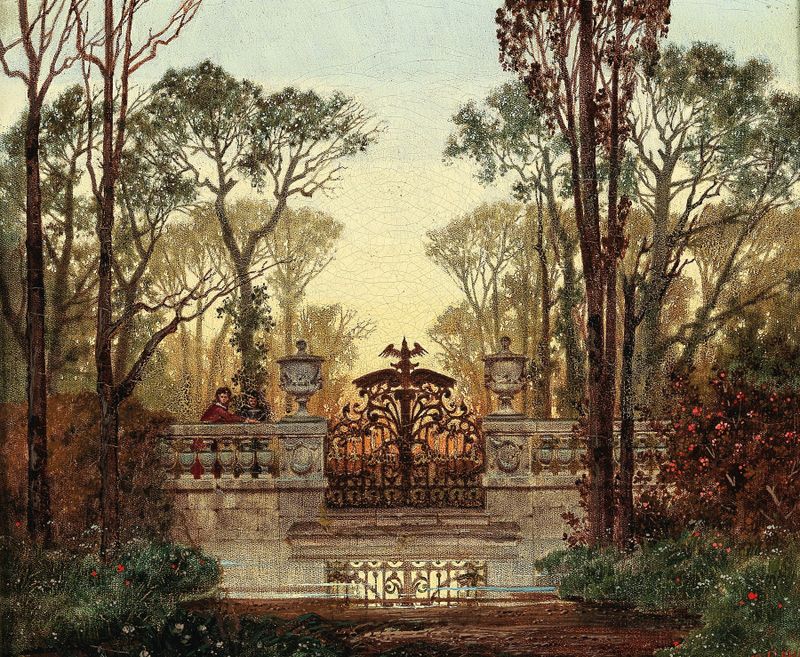
In the heart of Bavaria, a landscape awaits, revealing the duality of nature’s serenity and its hidden turmoil. Look to the horizon, where gentle hills roll into the distance, their verdant slopes dappled with the soft, golden light of late afternoon. The sky, a tapestry of azure and wispy clouds, frames the scene, while a meandering river reflects the delicate hues of the surroundings. Notice how the artist’s brushstrokes blend realism with impressionistic flair, evoking both the tranquil beauty of the landscape and a poignant sense of nostalgia. As you delve deeper, consider the contrast between the vibrant greens and the muted browns that hint at the cycle of life and decay.
The lush fields may symbolize fertile hope, yet the shadows lurking in the valleys suggest an undercurrent of longing and loss. This interplay resonates with the viewer, drawing them into a deeper contemplation of their own experiences and aspirations. Created during a time of burgeoning artistic exploration in 1886, the artist found himself in a period marked by the transition from Romanticism to Impressionism. Living in Bavaria, Knab was influenced by the picturesque beauty of his surroundings while grappling with personal challenges and the changing tides of the art world.
His work reflects not only a love for the landscape but also an intimate engagement with the emotions it evokes, positioning him within a rich cultural milieu as an emerging voice in the evolving narrative of art.
More Artworks by Ferdinand Knab
Browse all →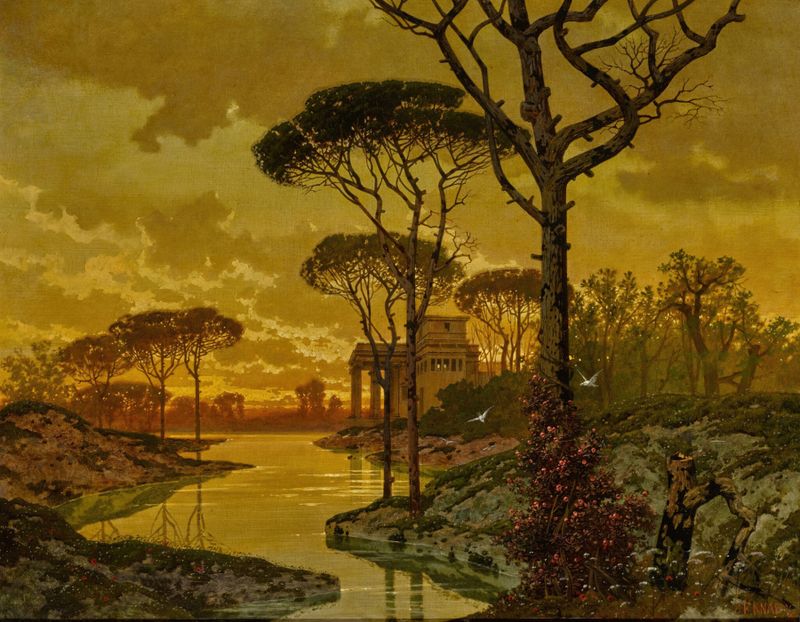
Evening Landscape
Ferdinand Knab

Abendliche Ruinenlandschaft
Ferdinand Knab

A Southern Landscape with Ruins of an Antique Temple
Ferdinand Knab

Arcadian landscape
Ferdinand Knab
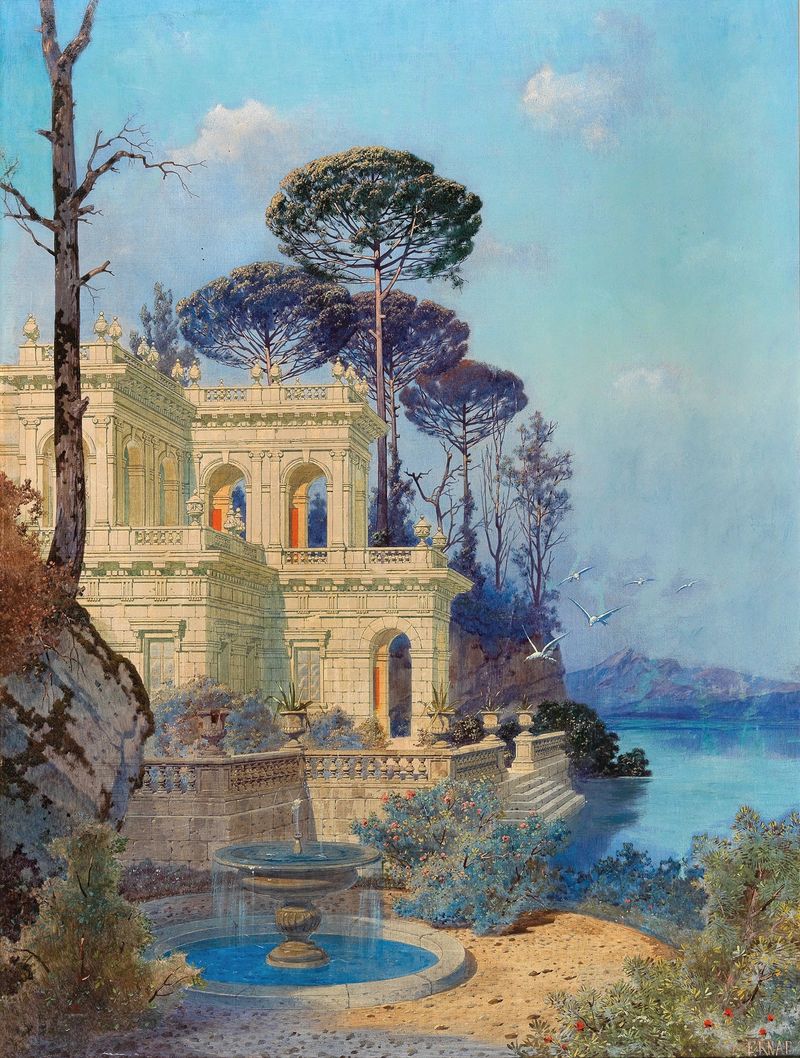
Villa, a Fountain by the Lake in the foreground
Ferdinand Knab
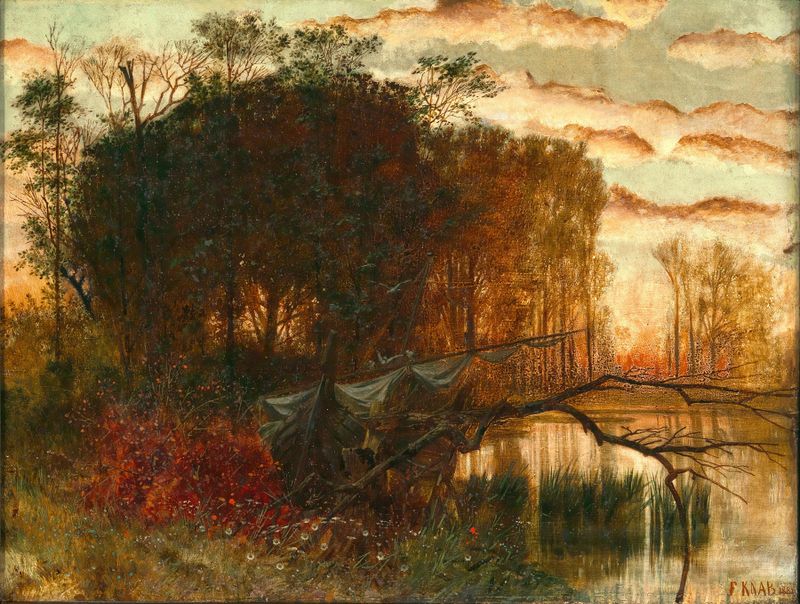
A Sail Boat on the Shore at Dusk
Ferdinand Knab
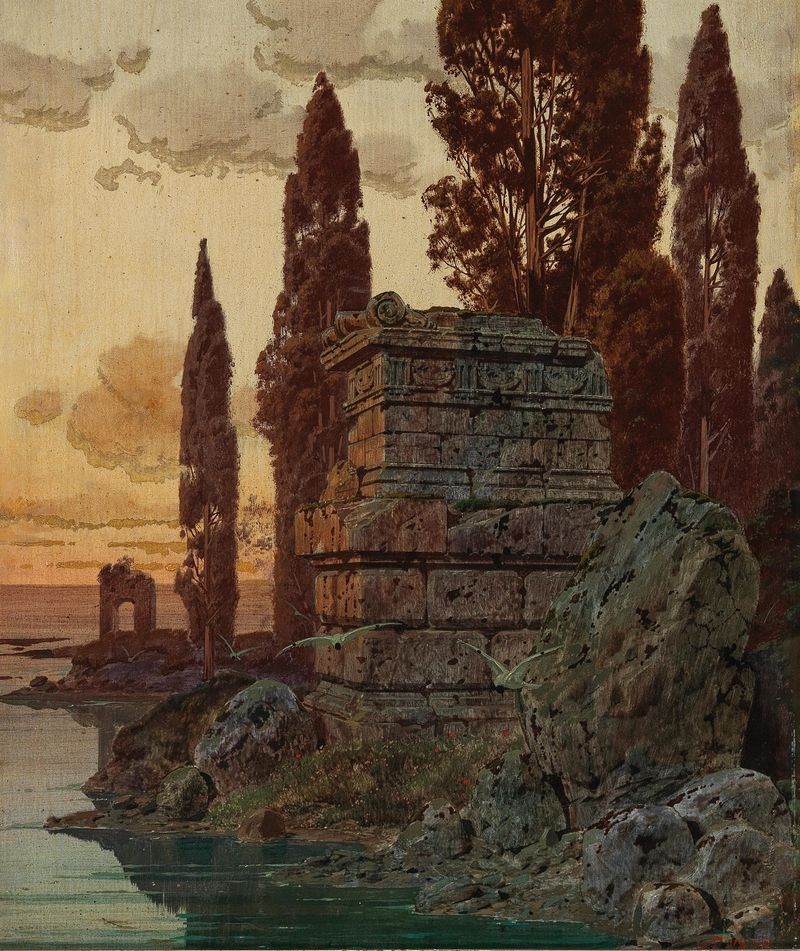
Dusk on the Shore
Ferdinand Knab

An Arcadian Landscape
Ferdinand Knab

Am Schlosstor
Ferdinand Knab
At the Castle grounds
Ferdinand Knab





