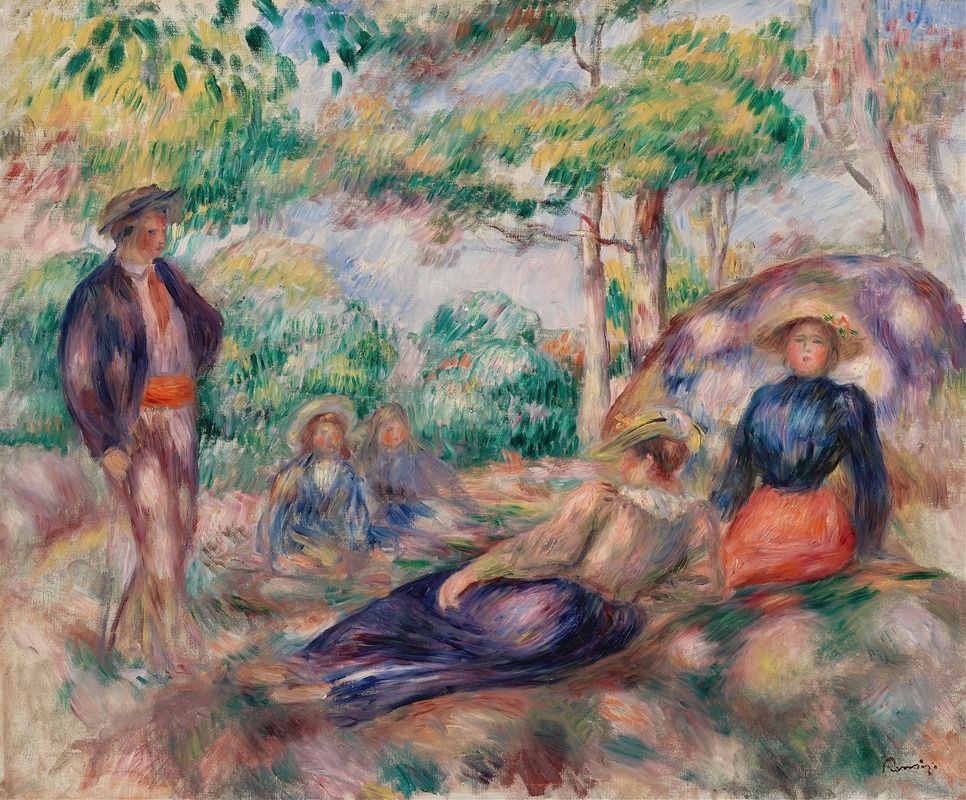
Discover insights about this artwork
Beggar with a Wooden Leg — History & Facts
In Beggar with a Wooden Leg, Rembrandt van Rijn presents a somber figure of a beggar seated against a dark background. The colors are muted, dominated by browns and deep shadows, which enhance the sense of despair. The beggar's wooden leg is prominently displayed, drawing attention to his plight.
His facial expression conveys a mix of resignation and vulnerability, typical of Rembrandt's character studies. This painting is executed in oil on canvas, a medium that allows for rich textures and deep color saturation. Rembrandt's characteristic use of chiaroscuro is evident, as he skillfully contrasts light and shadow to create depth. The brushwork is loose yet deliberate, capturing the roughness of the beggar's clothing and the smoothness of his wooden leg.
The dimensions are approximately 60 x 80 cm, making it an intimate piece that invites close viewing. Created during the Dutch Golden Age, this work reflects Rembrandt's interest in the human condition and social issues. The painting is notable for its realistic portrayal of poverty, a theme that resonates throughout his oeuvre. Interestingly, this piece may have been inspired by Rembrandt's own financial struggles later in life, adding a layer of personal connection to the work.
Today, it resides in the Rijksmuseum, where it continues to engage viewers with its raw honesty.
More Artworks by Rembrandt van Rijn
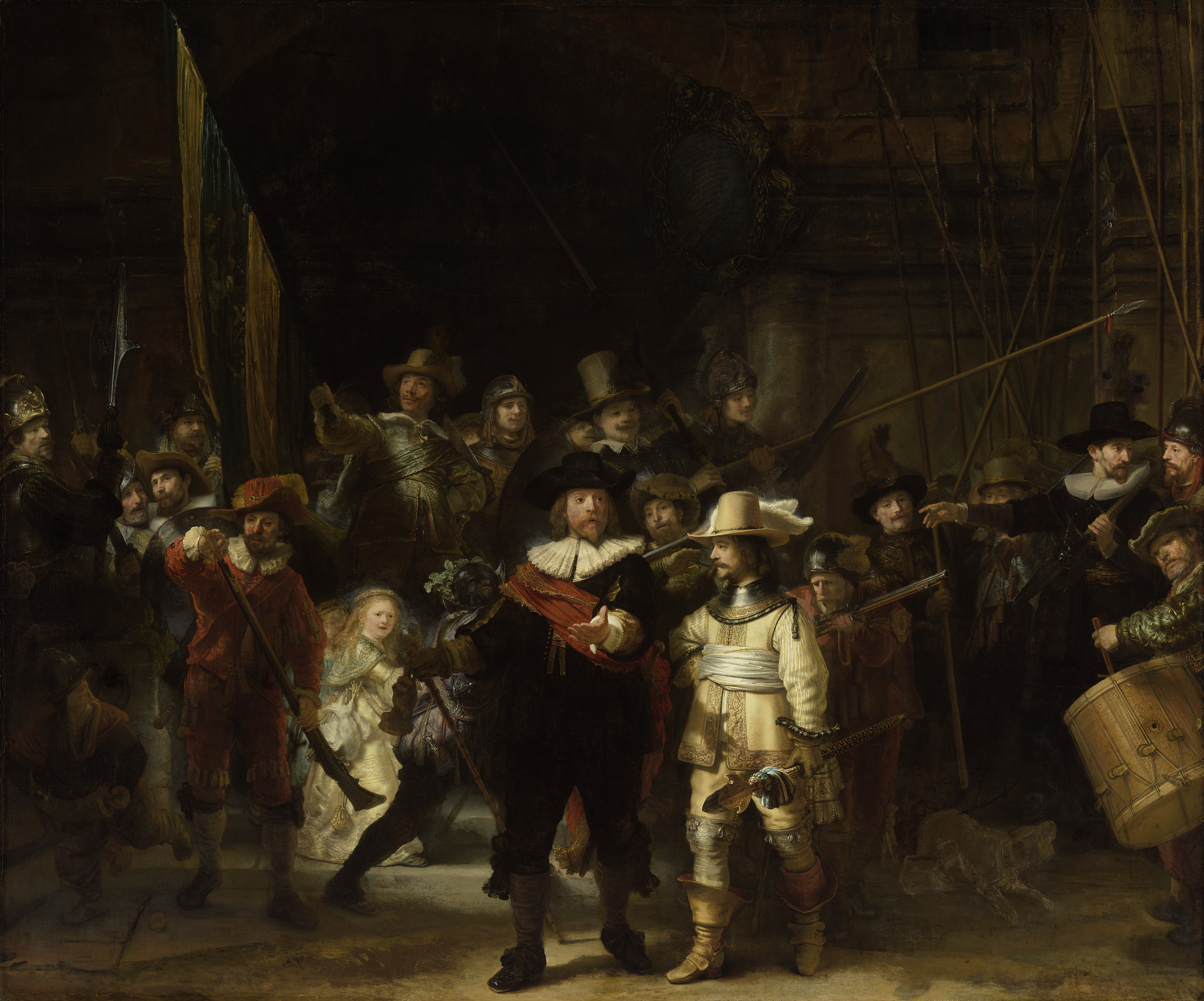
The Night Watch Militia Company of District II under the Command of Captain Frans Banninck Cocq
Rembrandt van Rijn
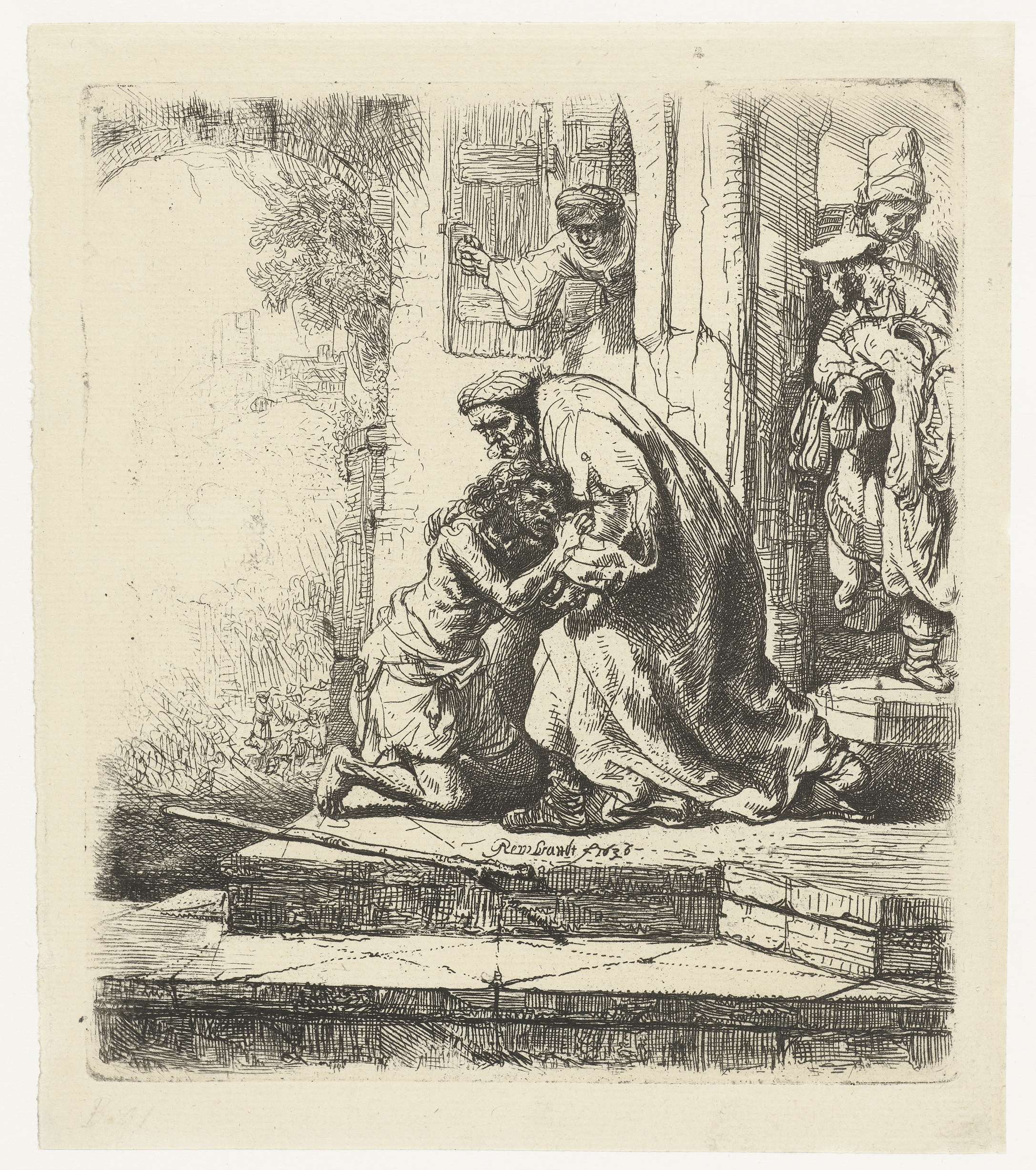
The Return of the Prodigal Son
Rembrandt van Rijn
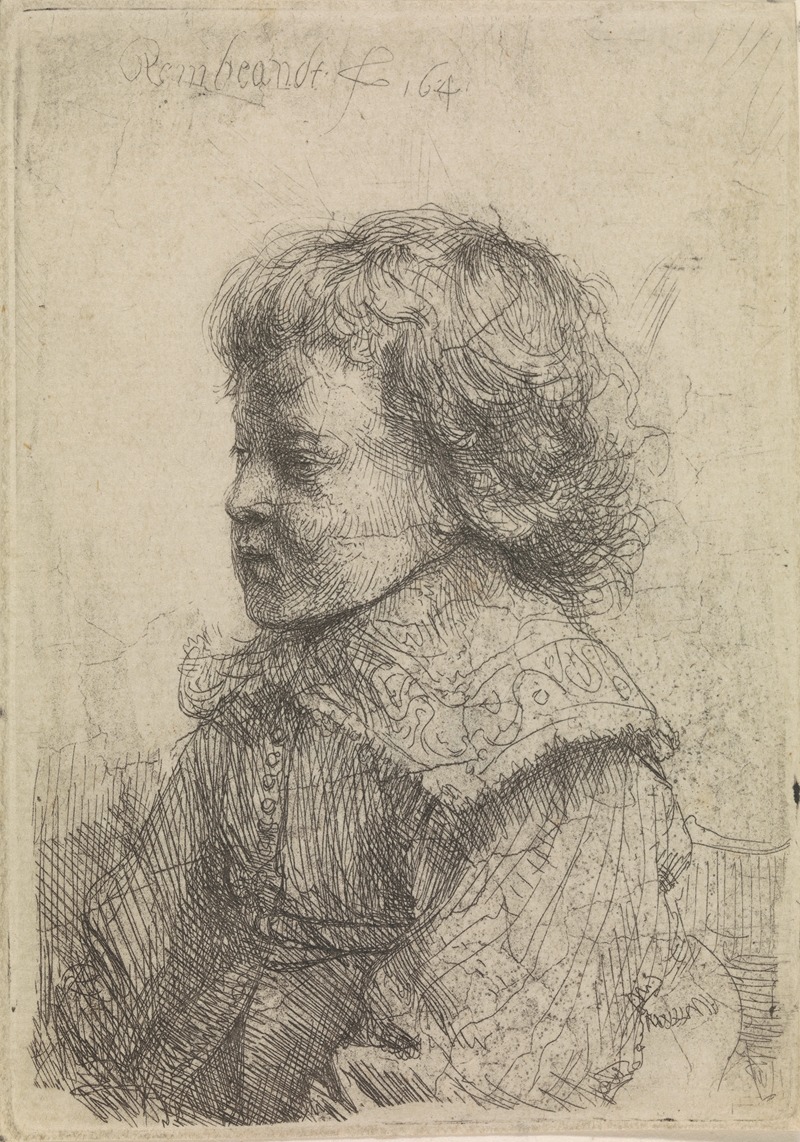
Portrait of a boy in profile
Rembrandt van Rijn

Portrait of a 39-year-old Woman
Rembrandt van Rijn
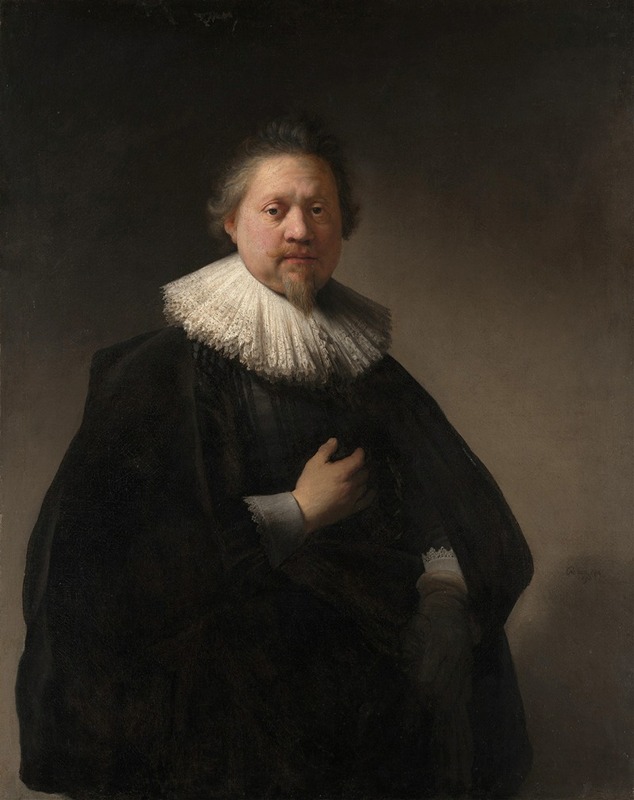
Portrait of a Man
Rembrandt van Rijn

Portrait of a Woman
Rembrandt van Rijn

Portrait of a Young Woman
Rembrandt van Rijn
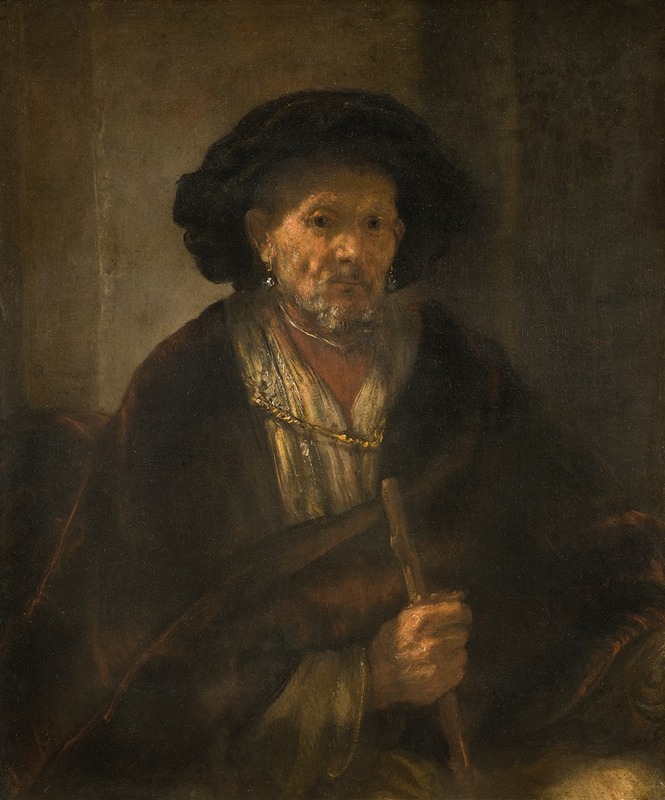
Portrait of an Old Man
Rembrandt van Rijn

Portrait of Maertgen van Bilderbeecq
Rembrandt van Rijn

Portrait of the Artist as a Young Man
Rembrandt van Rijn