
Bekken met Adam en Eva en het jaartal 1611 — History & Facts
Could beauty survive in a century of chaos? In an era characterized by fleeting stability and relentless fear, the interplay of creation and destruction loomed large over the hearts of many. Focus first on the intricate figures of Adam and Eve, poised delicately at the forefront of the composition. Observe the gentle curves of their bodies, perfectly molded to embody both humanity's innocence and its impending fall. The artist's technique, with soft brush strokes and subtle gradations of light, draws our gaze to their intertwined hands, hinting at the delicate tether between desire and consequence.
Surrounding them, the rich colors of lush foliage juxtapose starkly with the ominous undertones that lurk within the shadows, urging the viewer to confront the duality of existence. Delve deeper into the scene, where even the smallest details bear weight. The serpent, slithering nearby, serves as a harbinger of temptation, a reminder of the fragility of paradise. Notice how the tension in the air thickens as Eve contemplates the forbidden fruit, her expression a mix of yearning and trepidation.
This moment captures the essence of choice, the fear of stepping into the unknown, and the duality of human nature—beauty intertwined with the threat of ruin. During the late 1500s, the artist, whose identity remains unknown, navigated a Europe rife with upheaval. The Reformation and Counter-Reformation were reshaping religious landscapes, forcing artists to grapple with notions of morality and faith. This period of uncertainty gave rise to profound reflections in art, and works like this one encapsulate the struggle to find beauty amidst chaos, resonating with the anxiety of their time.
More Artworks by Unknown Artist
Browse all →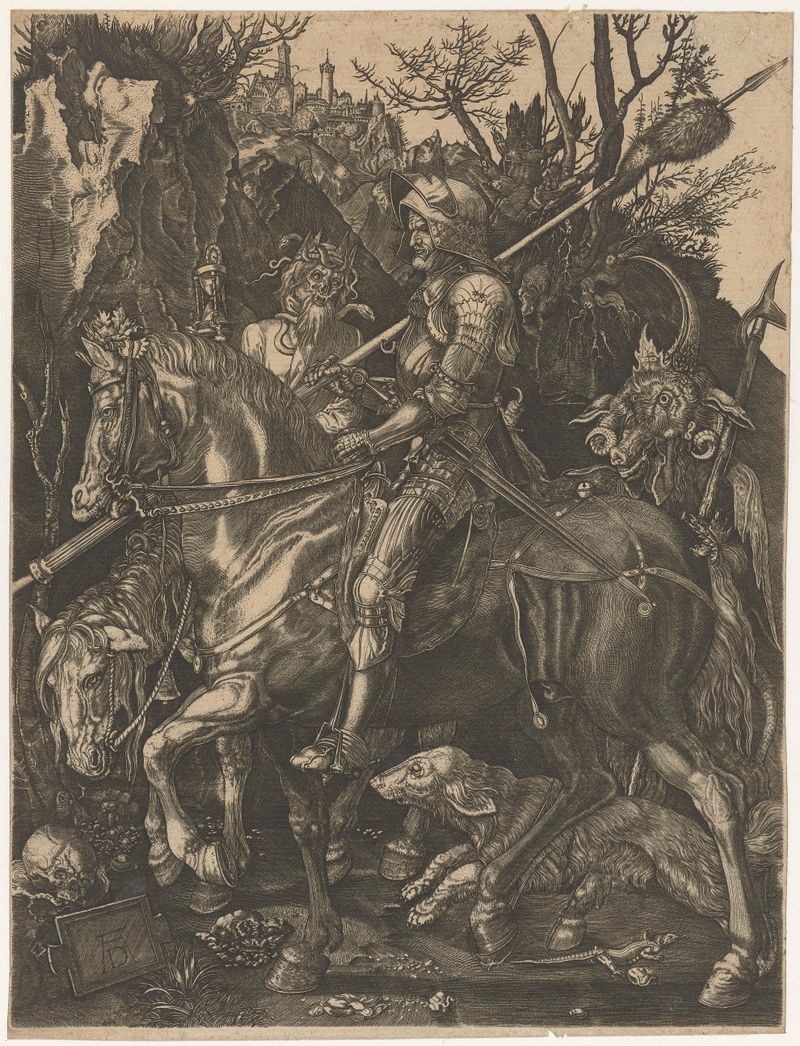
Ridder, Dood en Duivel
Unknown Artist
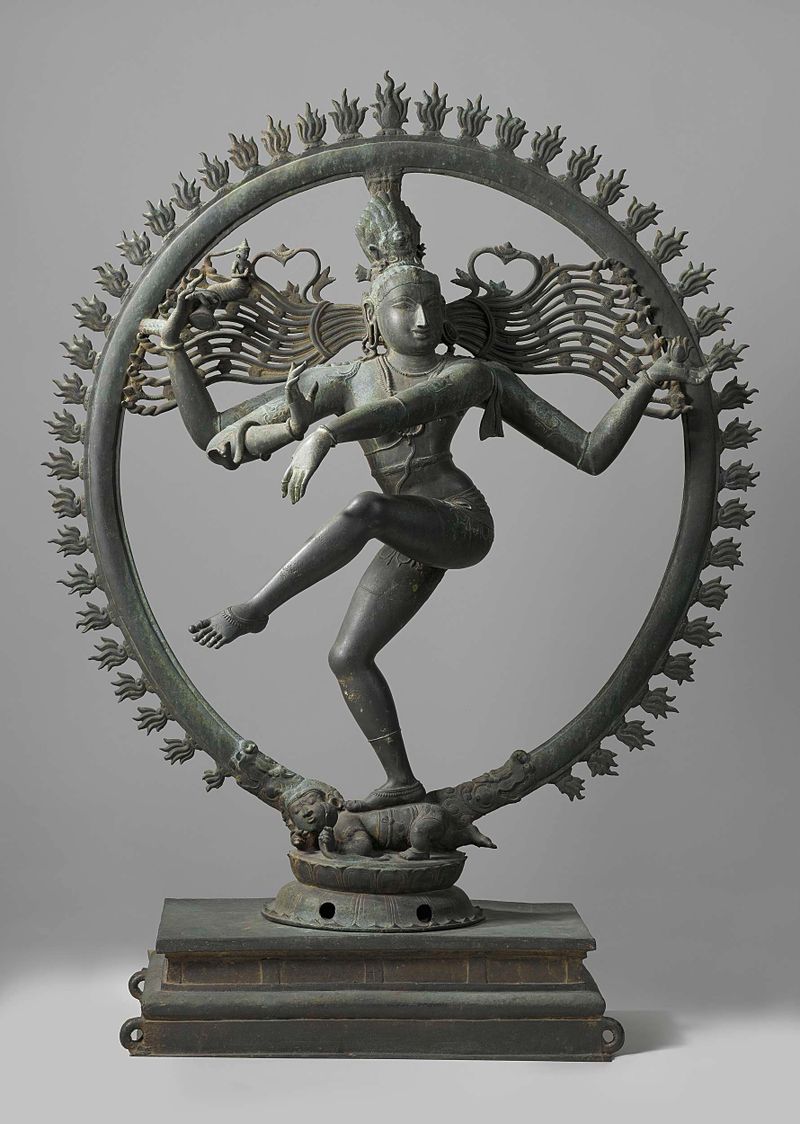
Shiva Nataraja
Unknown Artist
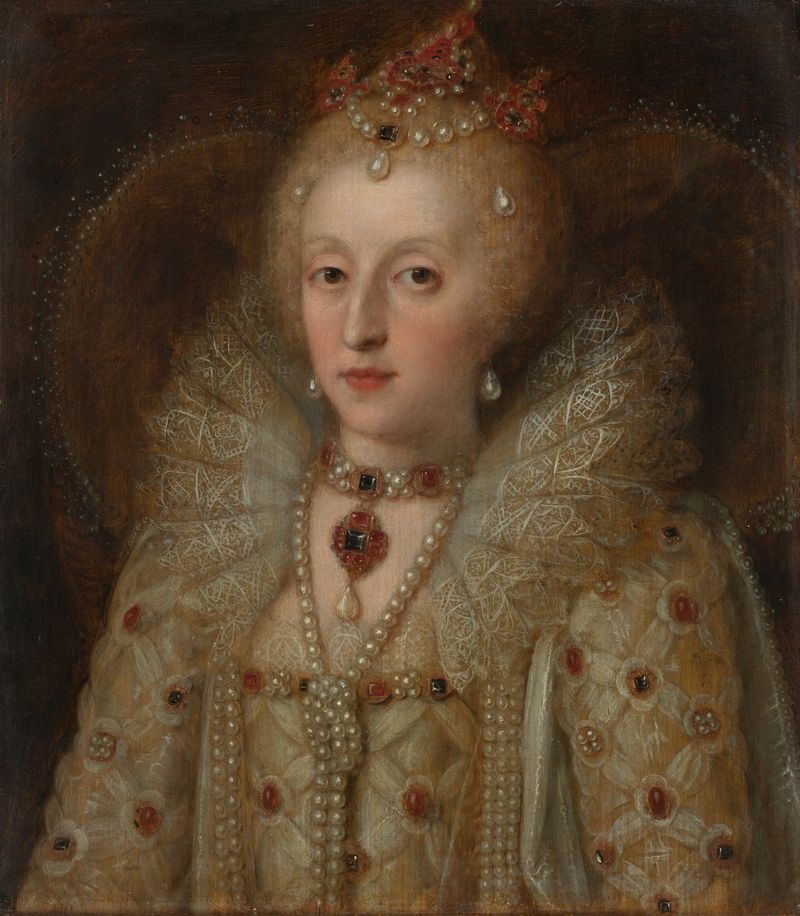
Portrait of Elizabeth I, Queen of England
Unknown Artist
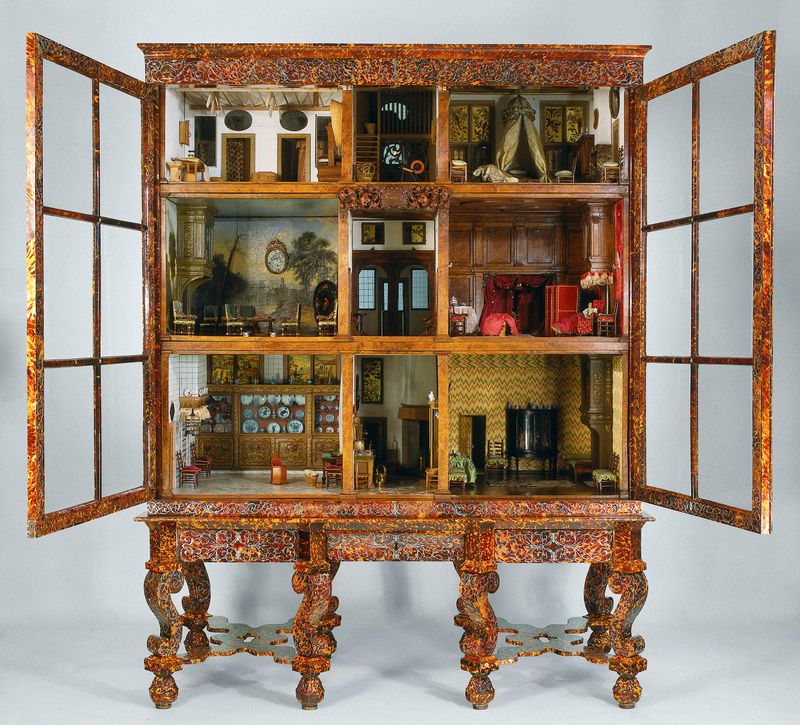
Dolls’ house of Petronella Oortman
Unknown Artist
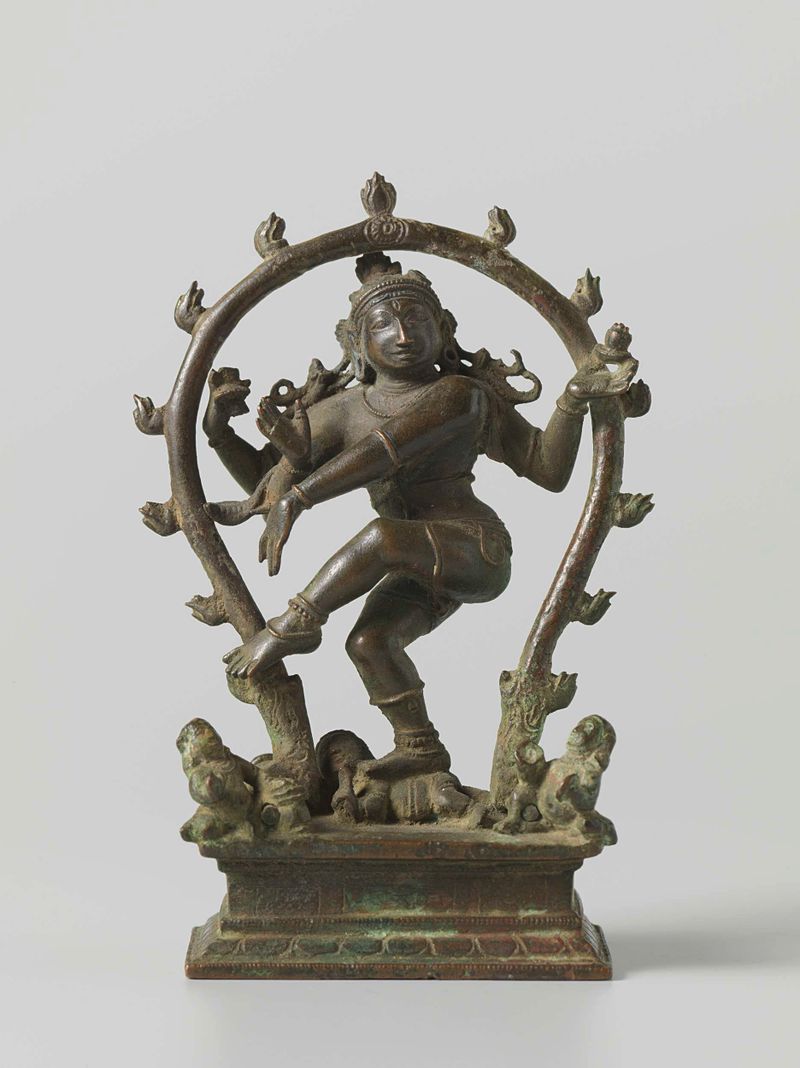
Shiva Nataraja
Unknown Artist

The Tale of Genji
Unknown Artist

The Tale of Genji
Unknown Artist
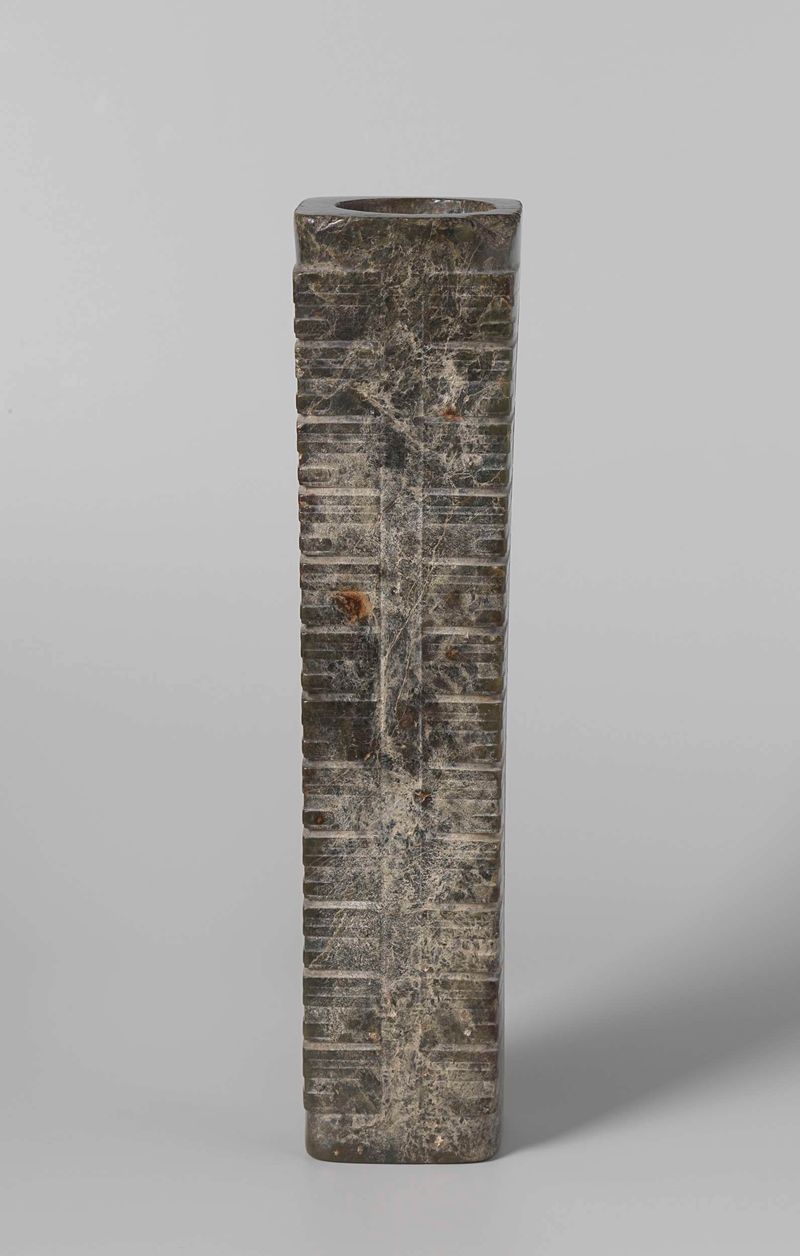
Cong
Unknown Artist
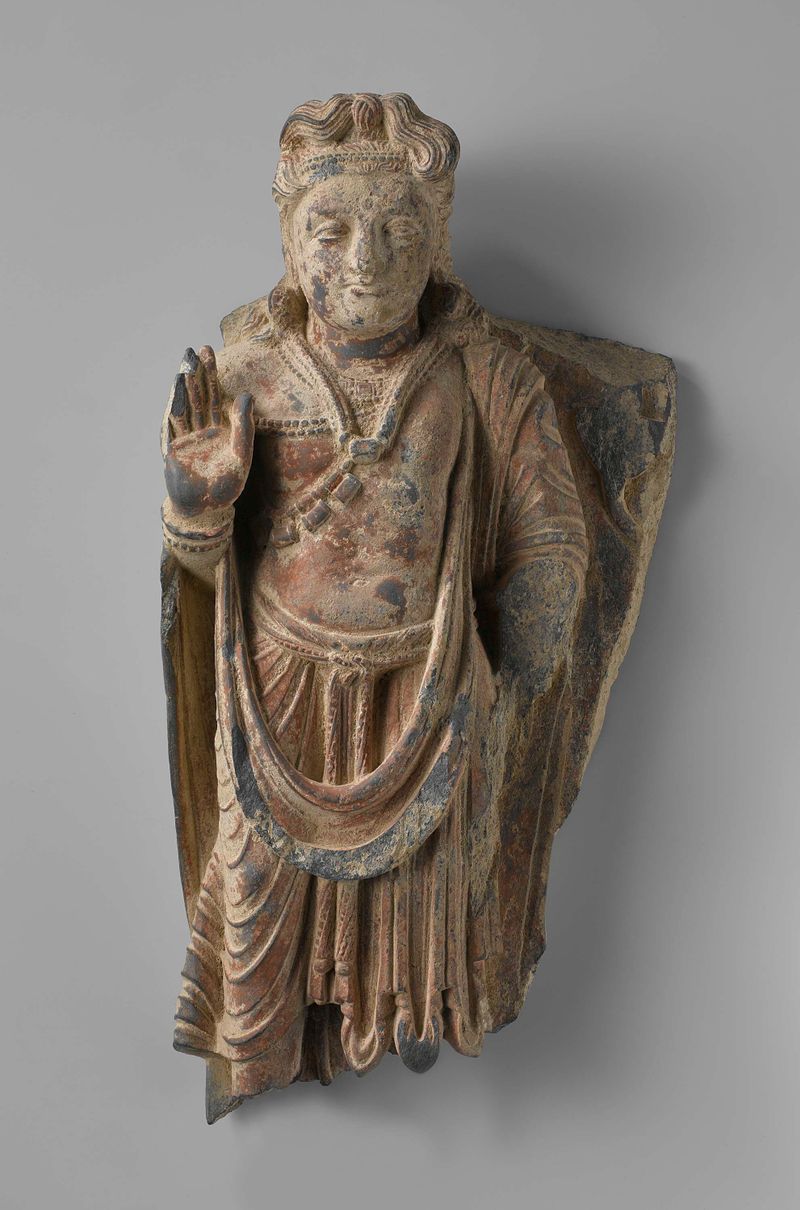
The bodhisattva Maitreya
Unknown Artist
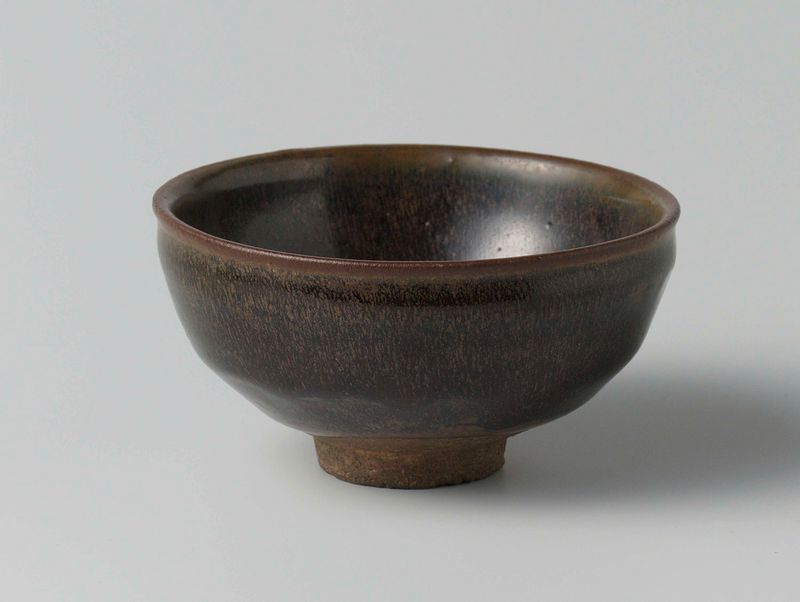
Teabowl with a 'hare's fur' glaze
Unknown Artist
More Religious Art
Browse all →
The Return of the Prodigal Son
Rembrandt van Rijn

The Garden of Earthly Delights
El Bosco

Count Orgaz’ funeral
El Greco

The Hundred Guilder Print: the central piece with Christ preaching, the plate arched
Rembrandt van Rijn

The Descent from the Cross
Rogier van der Weyden

The return of the prodigal son
Rembrandt van Rijn