
Bernini Fountain, Rome (recto) — History & Facts
In the stillness of a forgotten moment, loneliness seeps into the heart of the observer, urging them to reflect on their own solitude. Focus on the soft, flowing lines and the intricate details that breathe life into the fountain's stone. The delicate play of light across the water's surface creates a shimmering dialogue with the cool shadows, inviting you to lean closer. Notice how the figures surrounding the fountain appear both engaged and detached, their expressions a mixture of reverie and contemplation.
Each element, from the gnarled branches overhead to the textured surface of the stone, reveals a harmony and fragility that speaks to the essence of human experience. Yet, beneath the beauty lies a profound sense of isolation. The fountain stands as a solitary figure, its water cascading endlessly into the void, symbolizing the cycles of longing and loss. The juxtaposition of vibrant life against the stillness of the surrounding space emphasizes the tension between connection and separation.
How the human figures gaze at the fountain, yet seem worlds apart, encapsulates the bittersweet nature of existence—together yet alone. In 1867, the artist captured this scene during a time of transition in European art, where realism began to challenge romantic ideals. Living in America, he was influenced by both European styles and his own observations of daily life. This period saw an exploration of themes like solitude and reflection, and the artist’s choice to render a moment in Rome—the city of eternal beauty—speaks volumes about his quest to find meaning in an ever-changing world.
More Artworks by Felix Octavius Carr Darley
Browse all →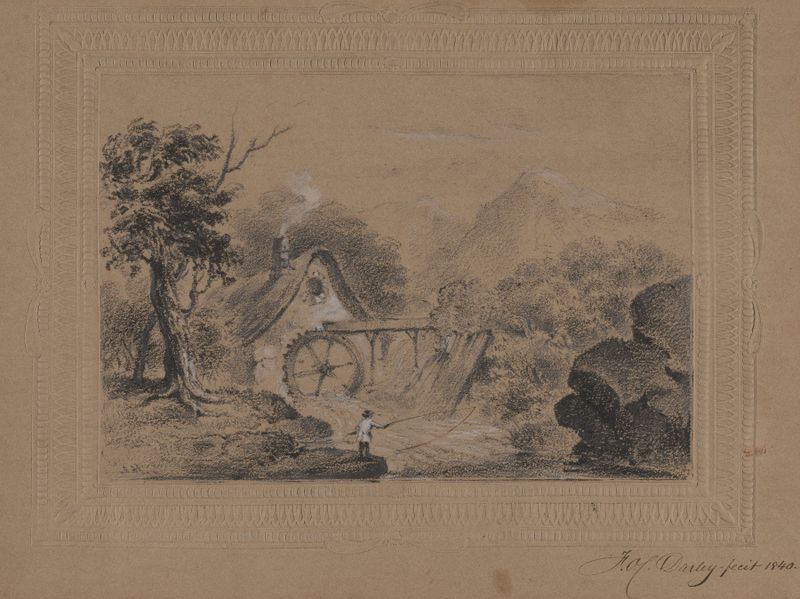
More Architecture Art
Browse all →
The statue of Liberty
Frédéric Auguste Bartholdi

View of Houses in Delft, Known as ‘The Little Street’
Johannes Vermeer

View of Houses in Delft, Known as ‘The Little Street’
Johannes Vermeer

The Cathedral in Rouen. The portal, Grey Weather
Claude Monet

The yellow house
Vincent van Gogh

The Church in Auvers-sur-Oise, View from the Chevet
Vincent van Gogh