
Biddende pelgrim — History & Facts
Who listens when art speaks of silence? In Biddende pelgrim, the stillness is palpable, inviting the viewer to reflect on the delicate balance between longing and hope. Look to the center of the canvas, where the figure of the pilgrim kneels in earnest prayer. His hands, clasped tightly, draw the eye with their tension against the soft folds of his humble garment, rendered with gentle brushstrokes that mimic the fluidity of fabric. Notice how the light filters across the scene, illuminating his bowed head while casting shadows that deepen the sense of solitude and devotion.
The muted palette, composed of earthy browns and soft whites, enhances the atmosphere of introspection, allowing the viewer to feel the gravity of the moment. Hidden beneath the surface of this serene tableau lies the emotional resonance of faith and yearning. The pilgrim's posture evokes a duality of action and stillness—he is both engaged in fervent supplication and ensconced in a profound silence that echoes the weight of his desires. The space surrounding him feels both vast and confining, reflecting the internal struggle between earthly troubles and spiritual aspirations, urging the viewer to contemplate their own journeys. Created during the period of 1796 to 1856, the artist was deeply influenced by the Romanticism movement, which celebrated individual emotion and nature.
Living in a time where artistic expression was increasingly focused on personal experience, he painted this piece in the Dutch countryside, channeling his own beliefs and reflections on faith amid societal changes. The work stands as a testament to the enduring quest for meaning, a mirror reflecting not just the pilgrim’s solitude, but the universal search for balance in life.
More Artworks by Reinierus Albertus Ludovicus baron van Isendoorn à Blois
Browse all →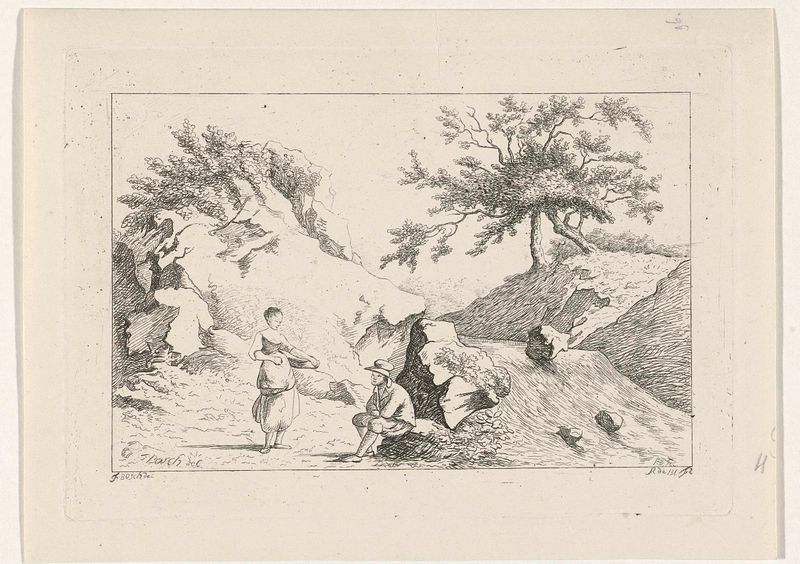
Man en vrouw bij waterval
Reinierus Albertus Ludovicus baron van Isendoorn à Blois
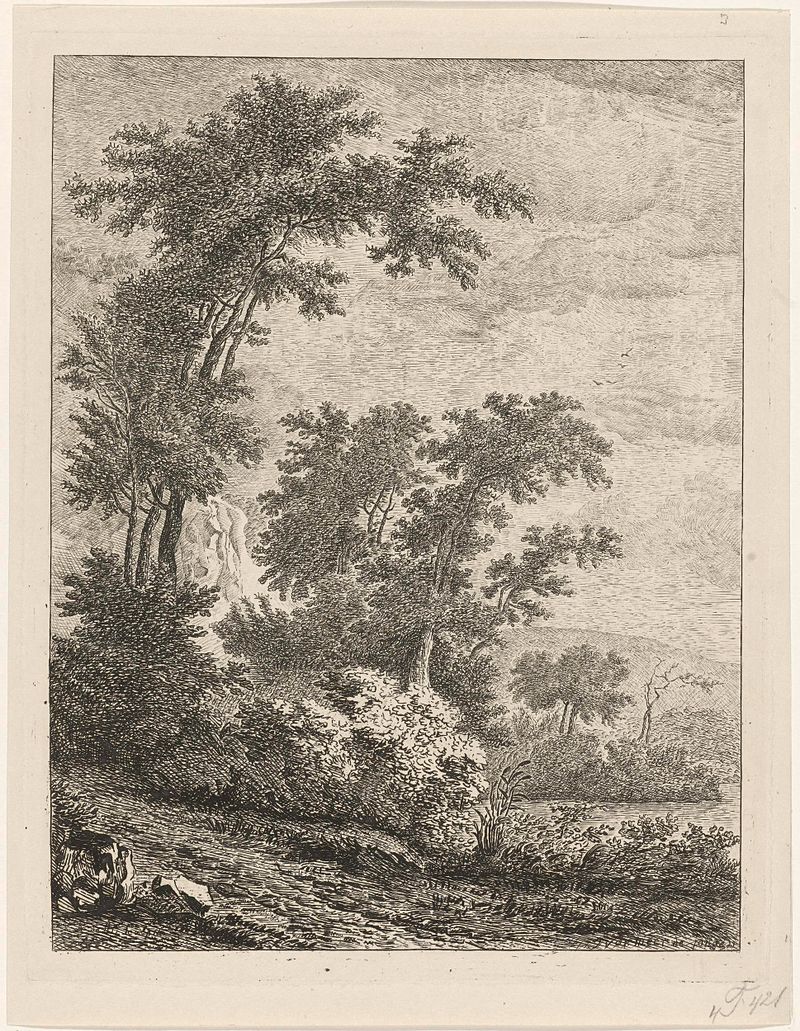
Landschap met hoge bomen
Reinierus Albertus Ludovicus baron van Isendoorn à Blois

Fontein tegen vervallen muur
Reinierus Albertus Ludovicus baron van Isendoorn à Blois

Kerktoren
Reinierus Albertus Ludovicus baron van Isendoorn à Blois
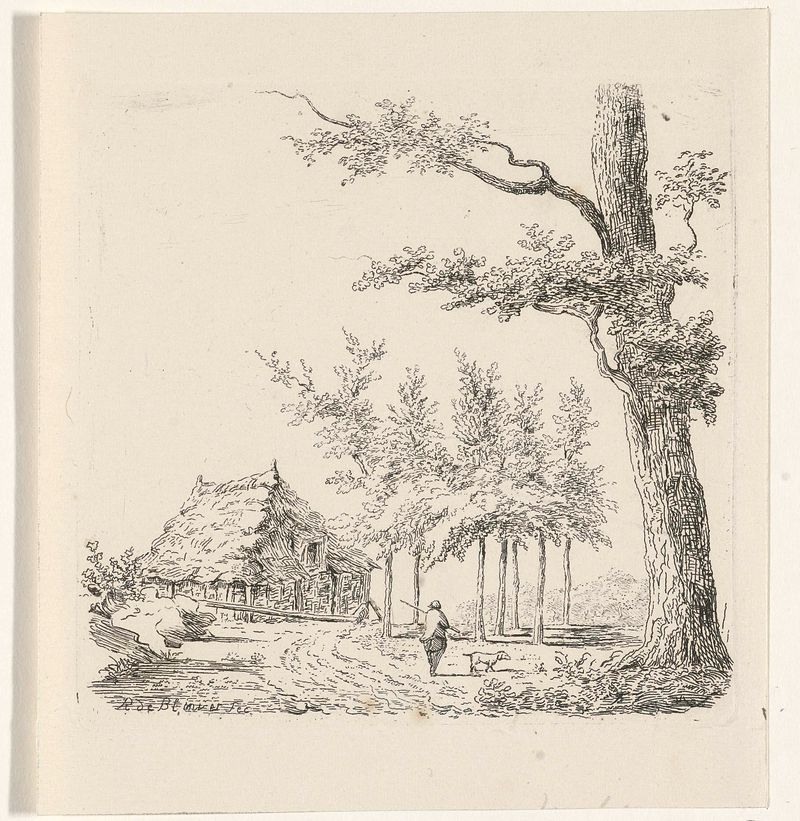
Man met hond bij een boerderij
Reinierus Albertus Ludovicus baron van Isendoorn à Blois
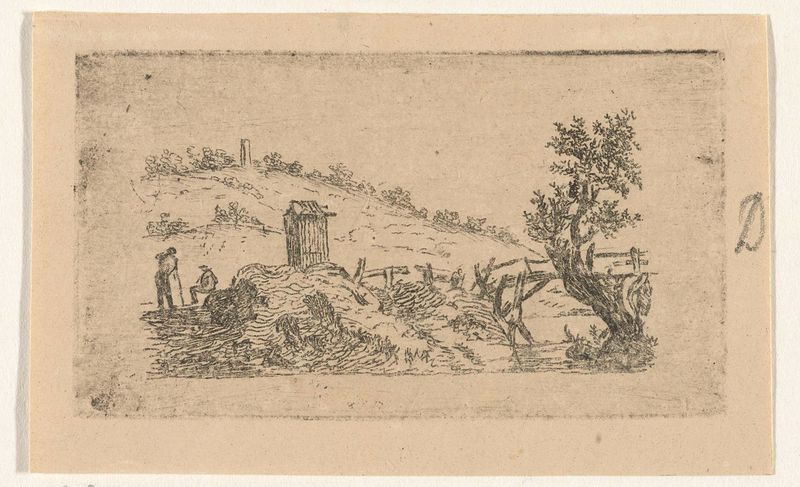
Landschap met houten brug
Reinierus Albertus Ludovicus baron van Isendoorn à Blois
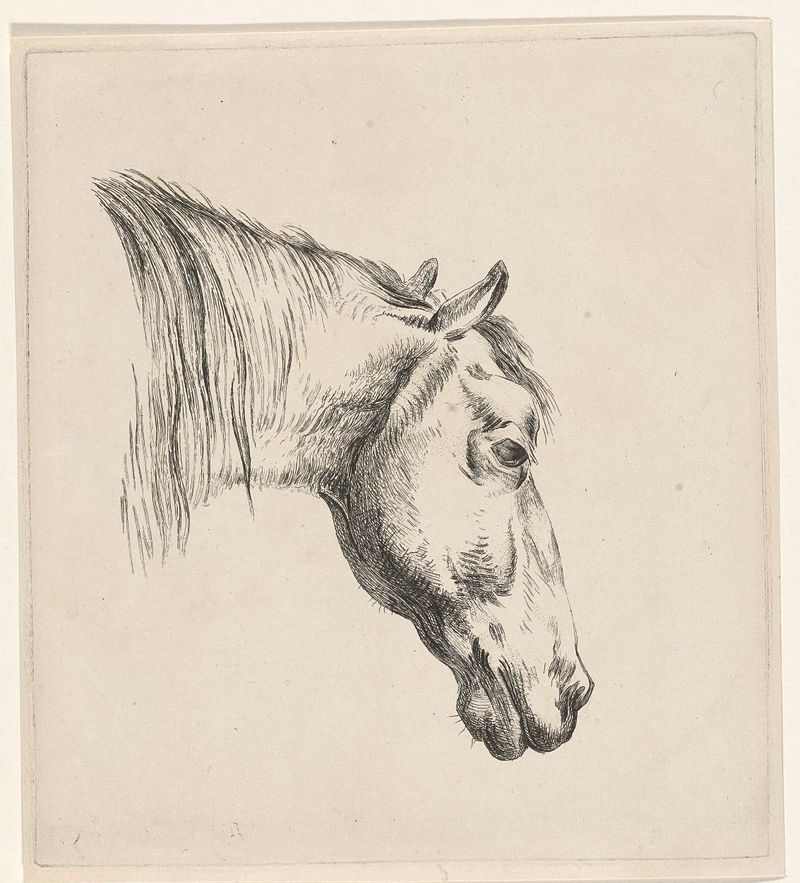
Hoofd van een paard
Reinierus Albertus Ludovicus baron van Isendoorn à Blois
More Religious Art
Browse all →
The Return of the Prodigal Son
Rembrandt van Rijn

The Garden of Earthly Delights
El Bosco

Count Orgaz’ funeral
El Greco

The Hundred Guilder Print: the central piece with Christ preaching, the plate arched
Rembrandt van Rijn

The Descent from the Cross
Rogier van der Weyden

The return of the prodigal son
Rembrandt van Rijn