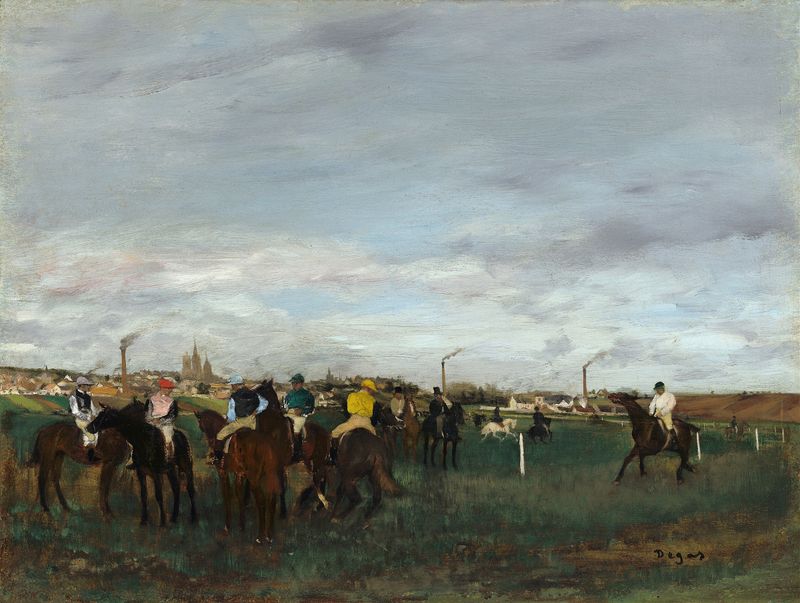
Hoofd van een paard — History & Facts
What if beauty was never meant to be finished? In the gentle strokes of an artist's hand lies not just the form of a horse's head, but a profound exploration of grief and longing. Look toward the center of the canvas, where the finely articulated features of the horse emerge. Its mane flows gracefully, exuding a sense of strength tempered by vulnerability. The subtle play of light across its coat reveals a rich tapestry of browns and blacks, enhancing the animal's majesty while hinting at the ephemeral nature of life.
Notice how the delicate brushwork captures every muscle and sinew, imbuing the subject with an almost palpable presence. At first glance, the painting exudes a serene beauty, yet upon closer inspection, an undercurrent of melancholy surfaces. The horse's gaze, tranquil yet distant, reflects the intangible connection between freedom and confinement. This duality resonates, as the viewer contemplates the bond shared between creature and creator, suggesting that every stroke carries the weight of loss and remembrance.
The artwork invites us to ponder the delicate balance between celebration and sorrow, and the unfinished stories that linger in the silence. Created between 1796 and 1856, this work emerged during a period of significant transition in the art world, marked by movements that increasingly embraced emotional depth. Living and working in the Netherlands, Reinierus Albertus Ludovicus baron van Isendoorn à Blois navigated the shifting tides of Romanticism, reflecting a preoccupation with the sublime and the natural world. His depictions of animals often convey deeper psychological truths, revealing the artist's intricate relationship with beauty and grief.
More Artworks by Reinierus Albertus Ludovicus baron van Isendoorn à Blois
Browse all →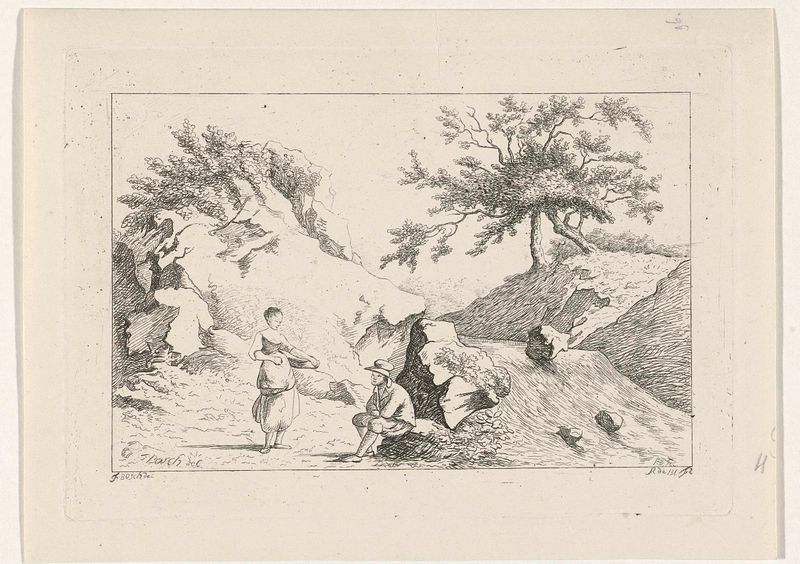
Man en vrouw bij waterval
Reinierus Albertus Ludovicus baron van Isendoorn à Blois
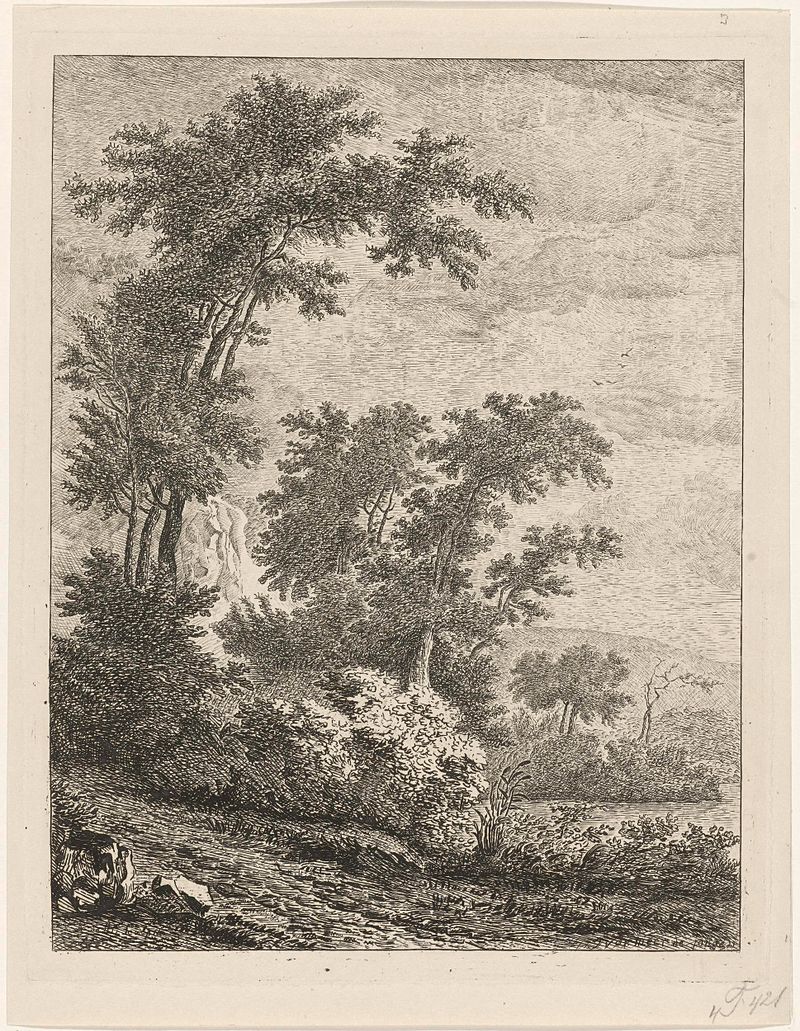
Landschap met hoge bomen
Reinierus Albertus Ludovicus baron van Isendoorn à Blois

Fontein tegen vervallen muur
Reinierus Albertus Ludovicus baron van Isendoorn à Blois

Kerktoren
Reinierus Albertus Ludovicus baron van Isendoorn à Blois
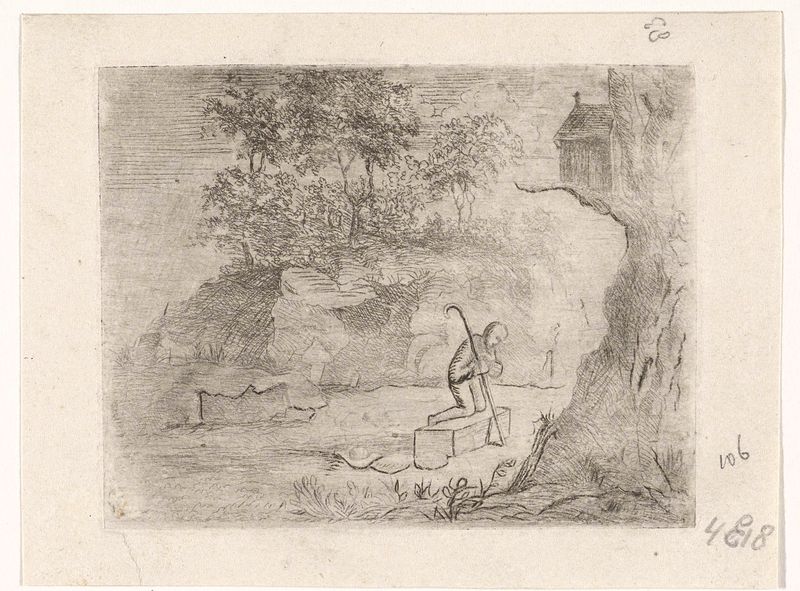
Biddende pelgrim
Reinierus Albertus Ludovicus baron van Isendoorn à Blois
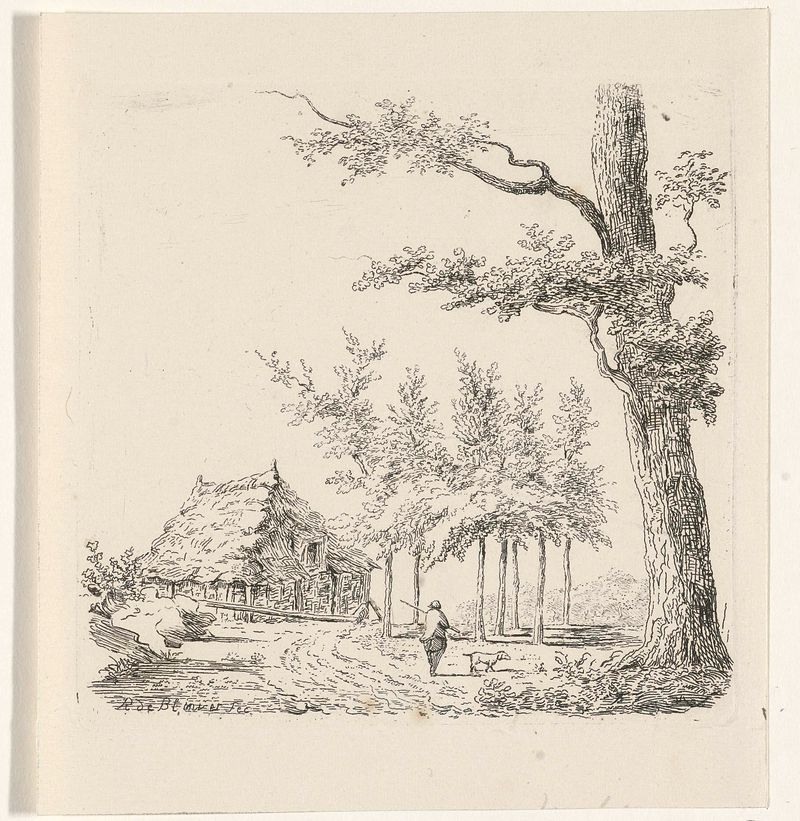
Man met hond bij een boerderij
Reinierus Albertus Ludovicus baron van Isendoorn à Blois
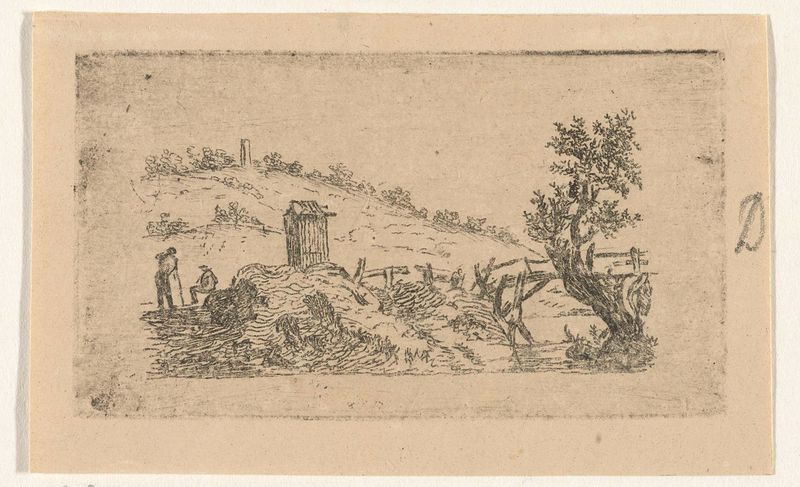
Landschap met houten brug
Reinierus Albertus Ludovicus baron van Isendoorn à Blois