
Bienne — History & Facts
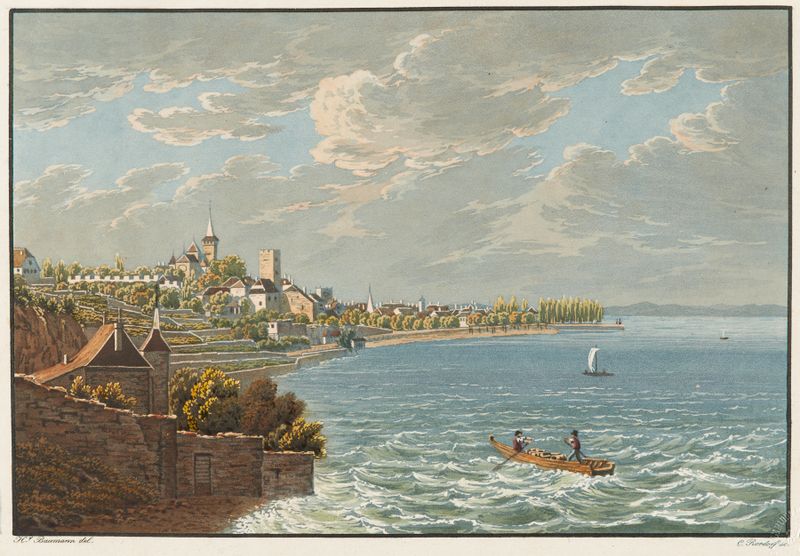
In the heart of grief, one can find the delicate beauty of resilience. Begin by focusing on the swirling colors that dance across the canvas. The deep blues and murky greens draw the eye toward the turbulent water, evoking a sense of movement and tumult. Notice how warm hues of orange and soft yellows peek through the chaos, suggesting shards of light breaking through the gloom.
Each brushstroke is laden with emotion, inviting you to explore the interplay of shadow and illumination that defines this work. As you delve deeper, consider the contrasts at play. The turbulent water represents the overwhelming nature of sorrow, while the emerging light symbolizes hope and healing. Look closely at the gentle ripples; they ripple outward, much like the impact of grief on one’s life, affecting not only the individual but those around them.
This complex layering of color and emotion encapsulates a journey, beckoning viewers to reflect on their own experiences with loss and recovery. During this period of creation, Baumann navigated the complexities of his own life as an artist, grappling with the evolving trends of modernism. Though the precise date of this work remains unknown, it emerged during a time when artists sought to convey deeper emotional truths beyond the superficial. The world was in flux, and the emotional weight captured in this piece reflects not only personal grief but also a broader response to the changing societal landscape of his time.
More Artworks by Jean Henri Baumann
Browse all →
Vue de Neuchatel prise au Rocher
Jean Henri Baumann

Pont de Serrieres près de Neuchatel
Jean Henri Baumann

Neuchatel. La trouée du Seyon
Jean Henri Baumann

Vue de Thoun
Jean Henri Baumann
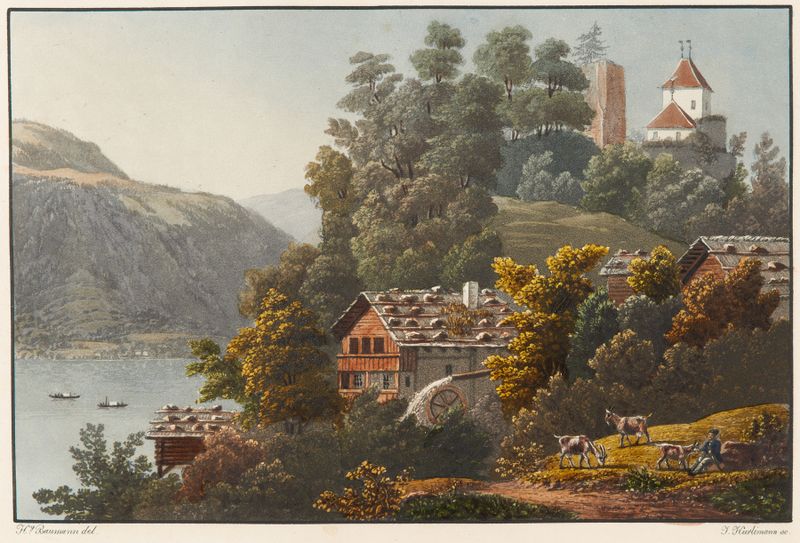
Vue de Ringgenberg sur le lac de Brienz
Jean Henri Baumann

Lausanne
Jean Henri Baumann
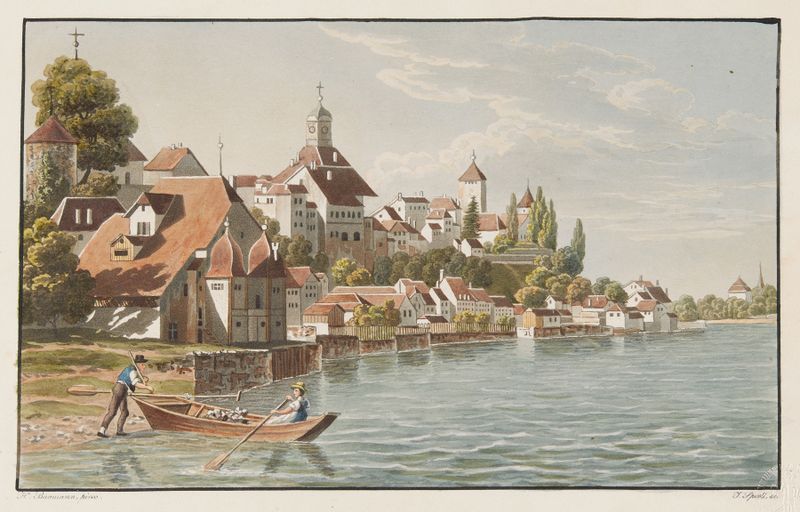
Vue de Morat
Jean Henri Baumann
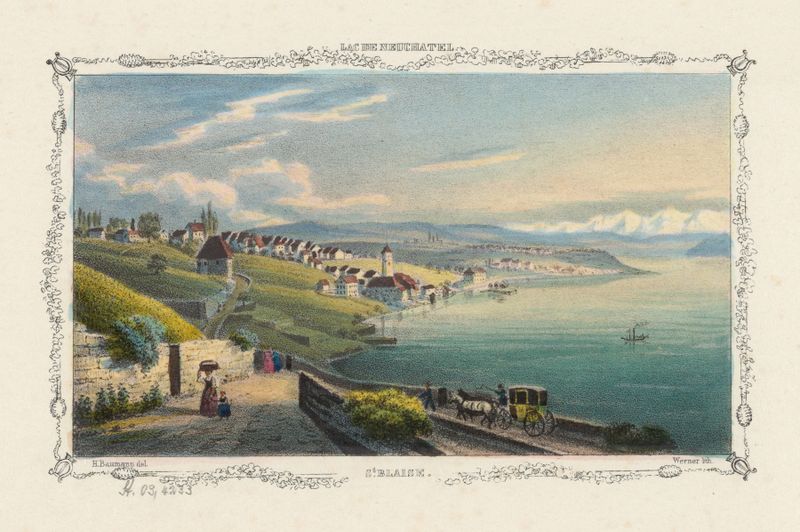
Lac de Neuchatel. St. Blaise
Jean Henri Baumann
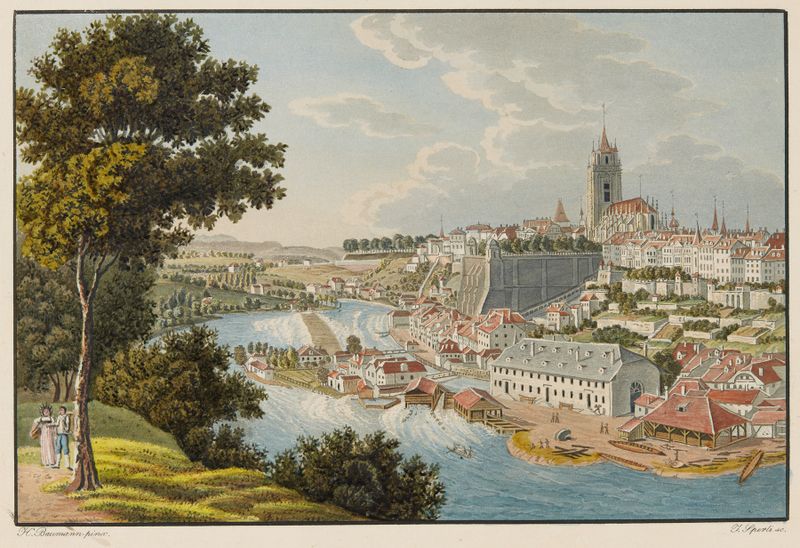
Vue de Berne
Jean Henri Baumann
Vue de Neuchatel prise de la route neuve
Jean Henri Baumann





