
Black Madonna — History & Facts
Where does light end, and longing begin? In the depths of an era marked by devotion and transformation, the Black Madonna emerges as a profound symbol of rebirth and hope. Look to the center of the canvas where the figure of the Madonna envelops a child, their expressions a mirror of maternal love and divine presence. The rich, dark hues of the Virgin’s skin contrast strikingly with the luminous golds and whites that encircle her, evoking a sense of sacred tranquility. Notice how the intricate drapery of her garments, cascading like soft shadows, leads your gaze toward the delicate features of the infant, whose innocence is both a source of light and a vessel of potential. Within this artwork, the duality of light and dark plays a pivotal role.
The stark contrast between the warm glow surrounding the figures and the enveloping darkness suggests a tension between despair and hope, a narrative of spiritual rebirth amid troubled times. This juxtaposition speaks to the viewer's soul, inviting contemplation on the nature of faith and the cyclical journey of life—loss, love, and renewal, eternally intertwined. Painted between 1650 and 1699, the Black Madonna reflects a period in which faith was essential to understanding existence, intertwining artistry with spirituality. The unknown artist, likely influenced by the Counter-Reformation's fervent religious zeal, sought to create a piece that resonated with the community's collective longing for solace and connection.
In a world constantly trembling at the edges of uncertainty, this work stands as a testament to the resilience of the human spirit.
More Artworks by Unknown Artist
Browse all →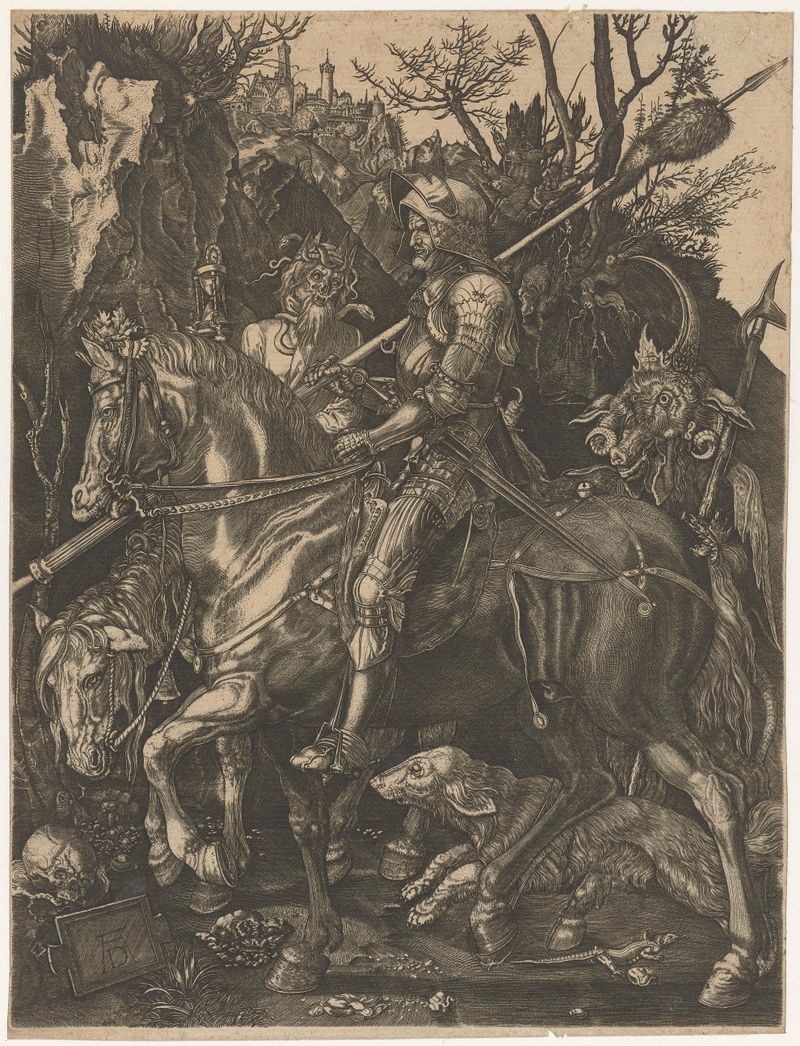
Ridder, Dood en Duivel
Unknown Artist
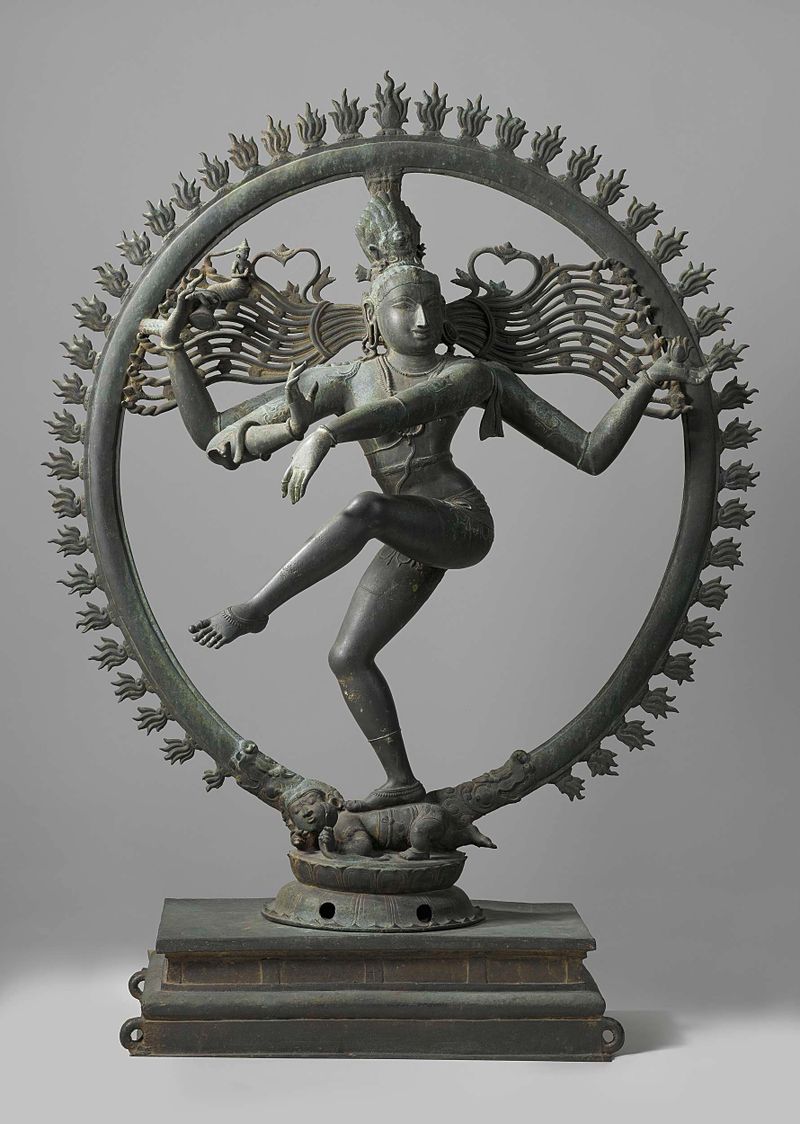
Shiva Nataraja
Unknown Artist
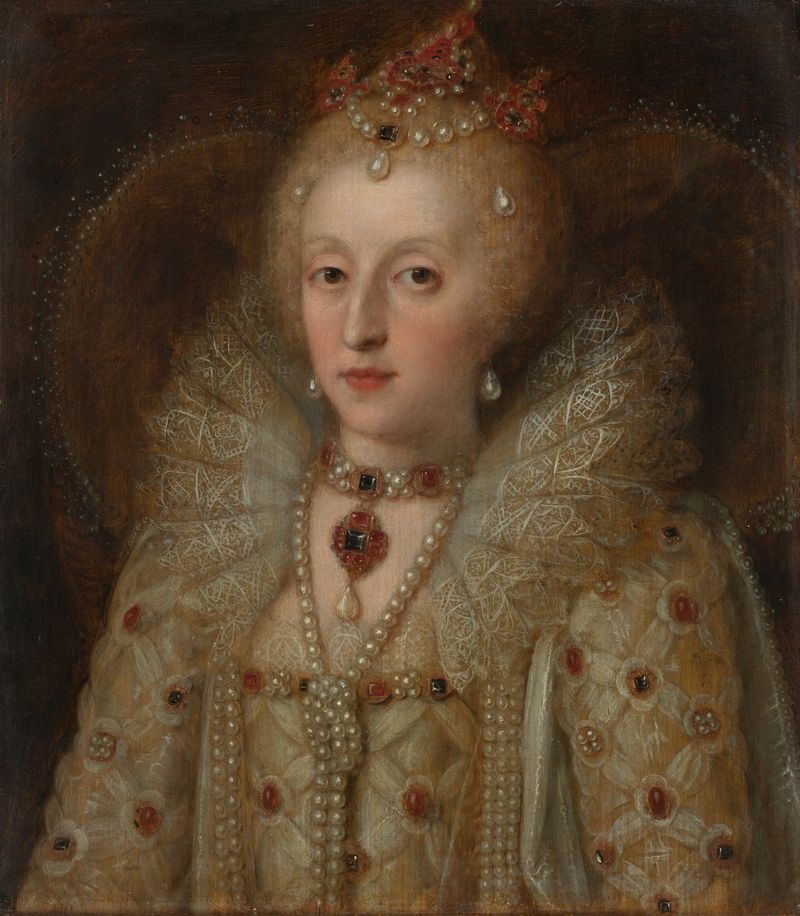
Portrait of Elizabeth I, Queen of England
Unknown Artist
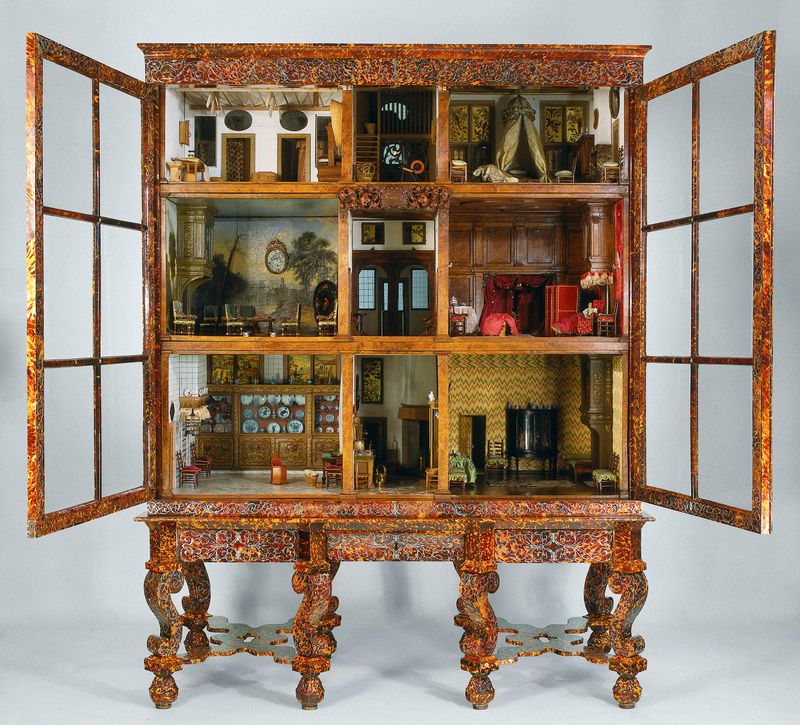
Dolls’ house of Petronella Oortman
Unknown Artist
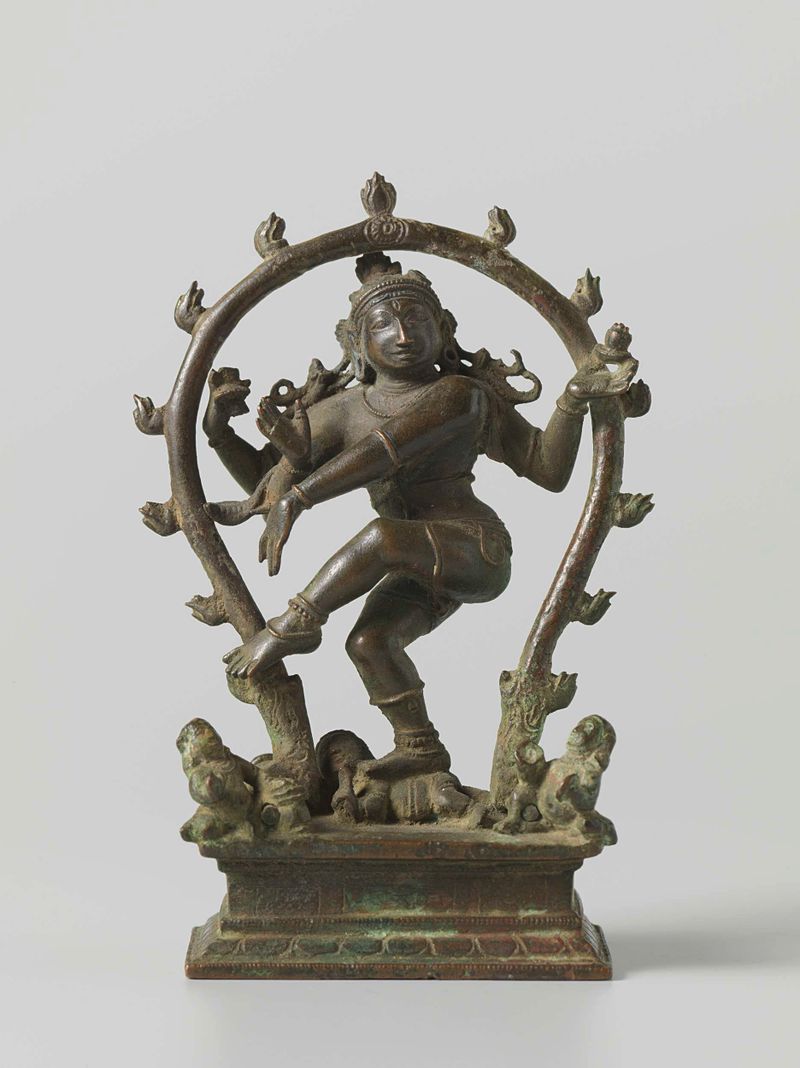
Shiva Nataraja
Unknown Artist

The Tale of Genji
Unknown Artist

The Tale of Genji
Unknown Artist

Cong
Unknown Artist
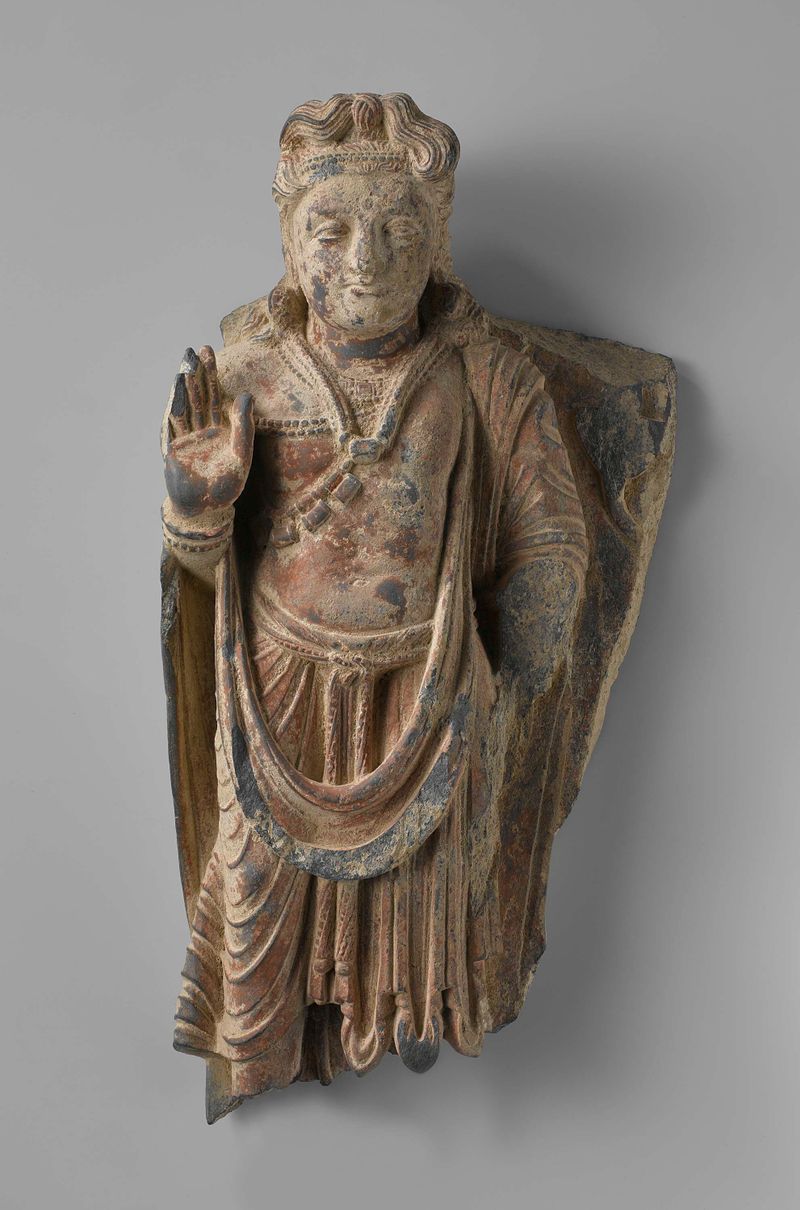
The bodhisattva Maitreya
Unknown Artist

Teabowl with a 'hare's fur' glaze
Unknown Artist
More Religious Art
Browse all →
The Return of the Prodigal Son
Rembrandt van Rijn

The Garden of Earthly Delights
El Bosco

Count Orgaz’ funeral
El Greco

The Hundred Guilder Print: the central piece with Christ preaching, the plate arched
Rembrandt van Rijn

The Descent from the Cross
Rogier van der Weyden

The return of the prodigal son
Rembrandt van Rijn