Blick auf Stift Stams — History & Facts
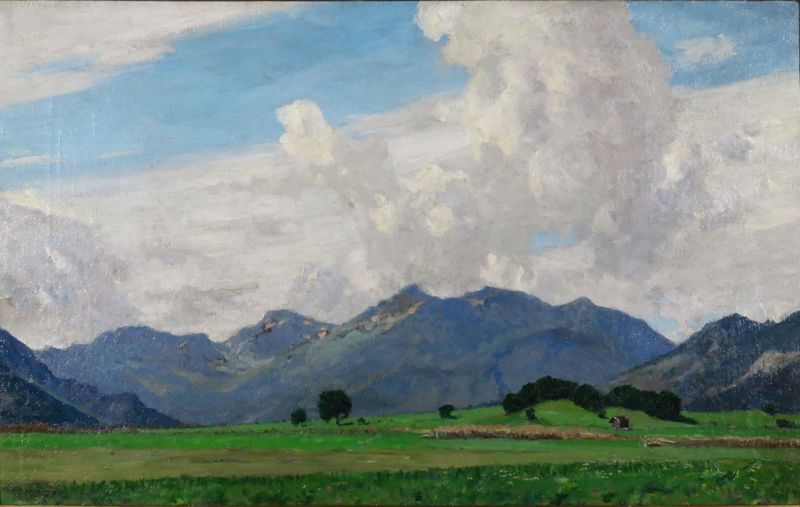
Could beauty survive in a century of chaos? This poignant question lingers in the silence of a landscape where tranquility and creation converge. Look to the gentle rise of the mountains, their peaks softly brushed with the ambers and golds of a fading sun. The architectural lines of Stift Stams stretch elegantly across the canvas, inviting the viewer’s gaze to meander through a harmonious interplay of light and shadow. Each stroke reveals a careful balance between the intricate details of the building and the expansive serenity of the surrounding nature, capturing a moment where man-made structure meets the wildness of the earth. Within this serene vista lies a deeper exploration of harmony versus disorder.
The contrasting textures of the rough nature against the smooth contours of the monastery suggest an ongoing dialogue between stability and chaos. The lush greenery around Stift Stams serves not only as a backdrop but also symbolizes the resilience of beauty amid strife. The warm color palette evokes feelings of nostalgia and longing, perhaps reflecting the artist's contemplation of spiritual solace amidst the turmoil of life. Rabending painted Blick auf Stift Stams during an undefined period in his career, likely amidst the broader currents of the late 19th to early 20th century art movements which sought to reconcile traditional landscapes with modern existential inquiries.
While it is unclear precisely when he created this piece, it is evident that he was grappling with themes of creation, beauty, and the role of nature within a rapidly changing society, mirroring the complexities of his time.