Boat by a Lake — History & Facts
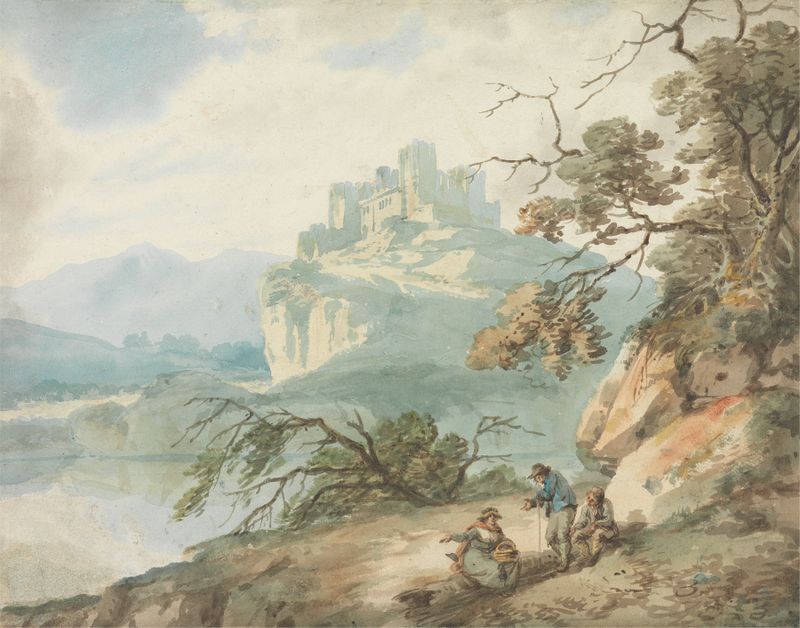
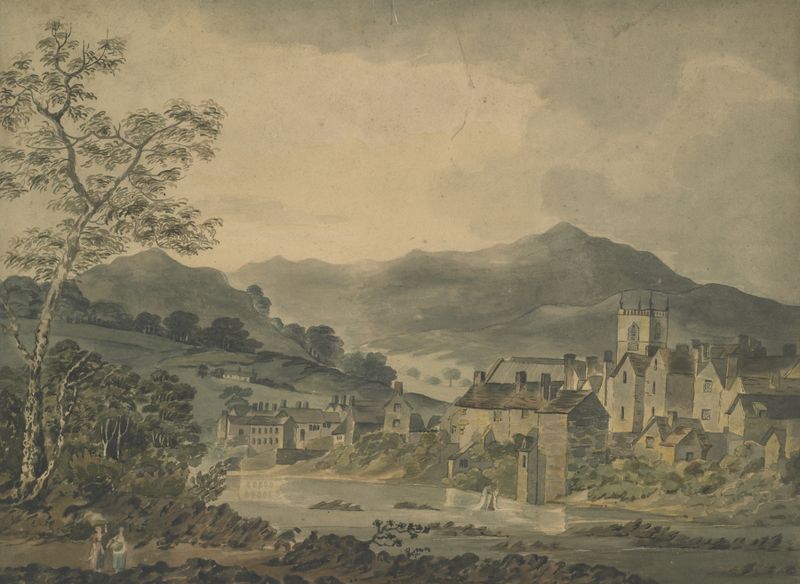
Who listens when art speaks of silence? In the stillness captured by Joseph Barber, a serene dialogue unfolds between nature and the human spirit, inviting whispers of divinity into the viewer's heart. Focus on the calm water’s edge, where gentle ripples reflect the surrounding landscape. Notice how the boat, adrift and solitary, rests at the forefront, its soft contours blending harmoniously with the lake's tranquil surface. The muted palette, with hints of blues and greens, evokes a sense of peace, while the light dances delicately across the water, illuminating the edges of the vessel as if inviting you to step aboard and drift into contemplation. Yet beneath this tranquil surface lies an undercurrent of tension.
The absence of movement in the boat suggests a pause, a moment of introspection that resonates with the viewer. The surrounding trees, swaying slightly in the breeze, whisper secrets of nature, creating a contrast between stillness and the vitality of the world beyond the frame. This juxtaposition infuses the scene with a palpable sense of longing and divine connection, as if the viewer stands on the threshold of revelation. Joseph Barber painted this scene during a period marked by introspection and a deepening interest in nature.
While the exact date remains unknown, Barber's work reflects the late 19th to early 20th-century exploration of the spiritual relationship between humanity and the natural world. In an era when art increasingly sought to capture the sublime, this work showcases a significant moment in his development as an artist, as he embraced the quiet power of simplicity and stillness.