
Bords de la Schie à Delft, effet de brouillard — History & Facts
“Does the fog hide our madness or reveal it?” This question lingers like the mist that envelops the landscape, suggesting a deeper complexity beneath the surface beauty of everyday life. The ethereal quality of the scene invites contemplation, drawing the viewer into a world where clarity blurs and emotions intertwine. Look to the center of Bords de la Schie à Delft, effet de brouillard, where the muted hues of blue and gray create a harmonious blend reminiscent of a dream. The delicate brushstrokes evoke the gentle movement of fog rolling over the water, while the soft light illuminates the silhouette of distant buildings and trees.
Notice how the reflections ripple in the water, creating an illusion that both captivates and confuses the senses, an echo of the inner turmoil we often face. The interplay between light and shadow within the work hints at a duality of existence — the tranquil beauty of nature contrasts sharply with the obscured figures barely visible through the mist. This tension evokes feelings of isolation and madness, as the viewer is reminded that beauty often coexists with the darker aspects of the human experience. Each brushstroke carries an emotional weight, suggesting the fragility of sanity amidst life's chaos. In 1896, when this piece was created, Lebourg was deeply influenced by the Impressionist movement in France, where capturing fleeting moments of light and atmosphere became paramount.
Living in France during a time of rapid change—both socially and artistically—he explored the nuances of perception and reality. This painting reflects not just his mastery of color and form, but also a personal exploration of the tumultuous emotions swirling beneath the calm exterior of the landscape.
More Artworks by Albert Lebourg
Browse all →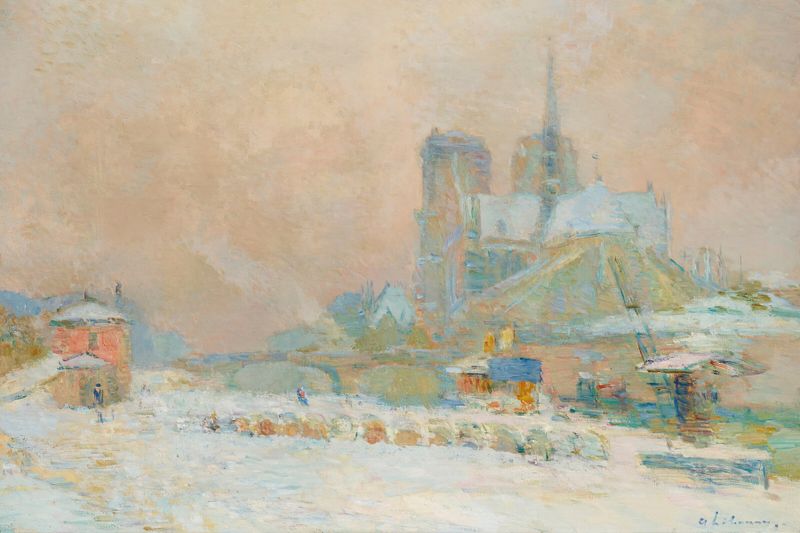
Notre Dame de Paris, vue du Quai de la Tournelle, effet de neige
Albert Lebourg
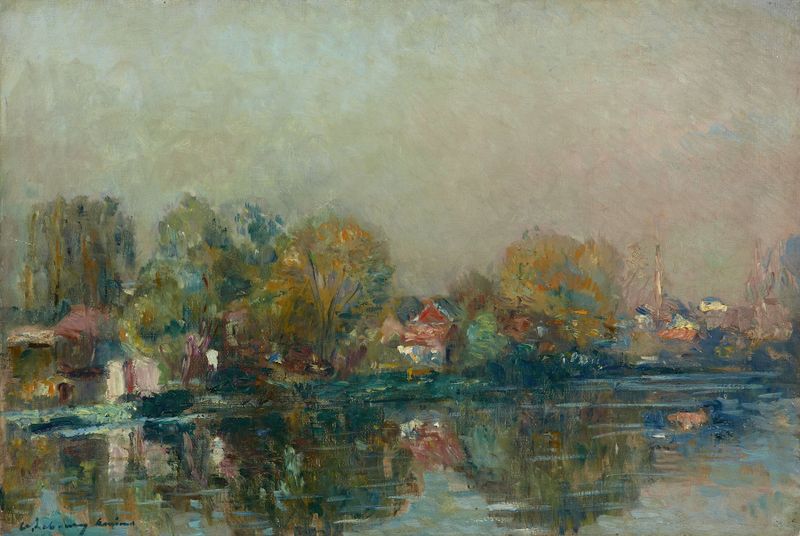
Amiens, bords de rivière
Albert Lebourg
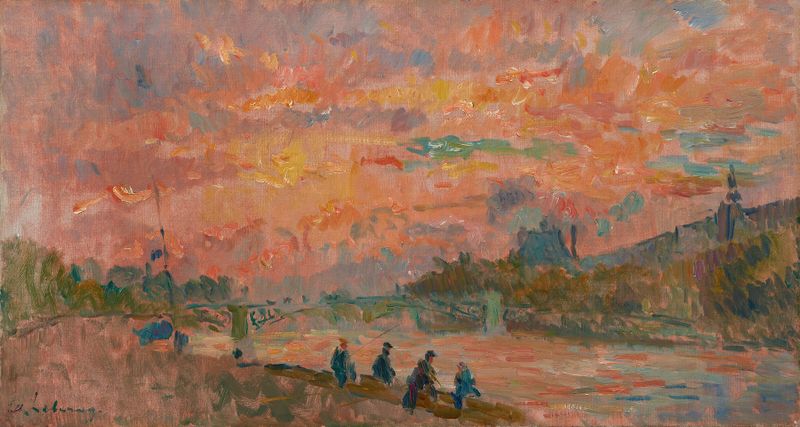
Coucher de soleil sur la Seine, à Paris
Albert Lebourg
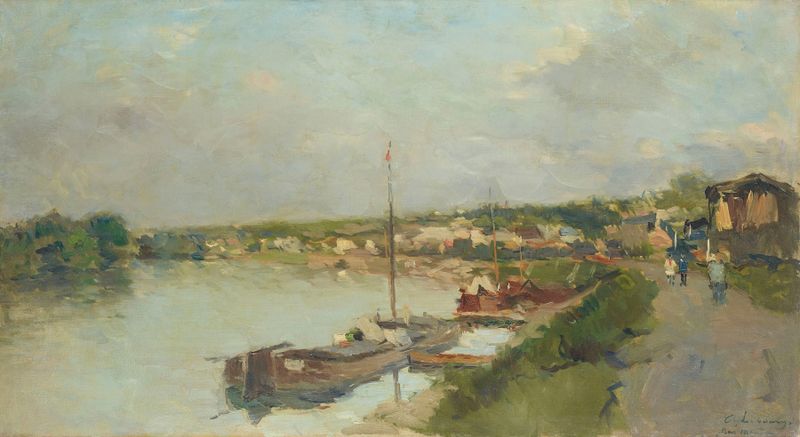
La Seine au Bas-Meudon
Albert Lebourg
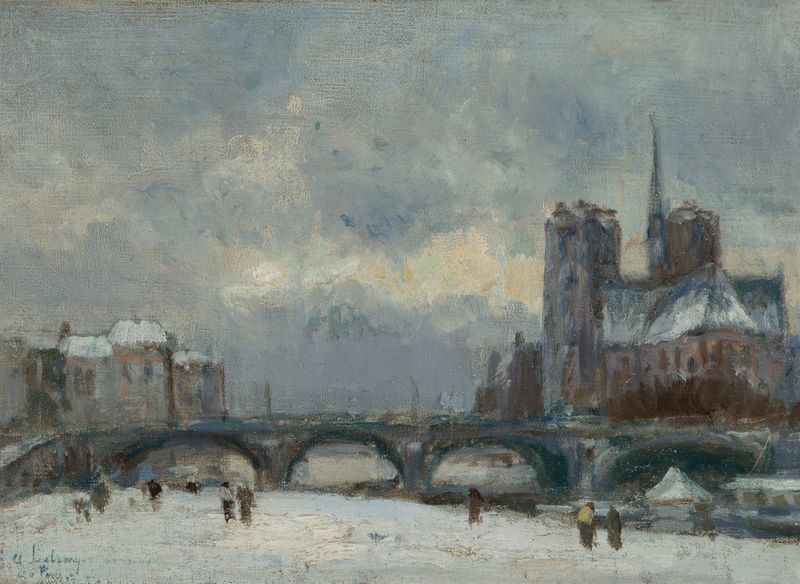
Paris, Notre-Dame, neige
Albert Lebourg
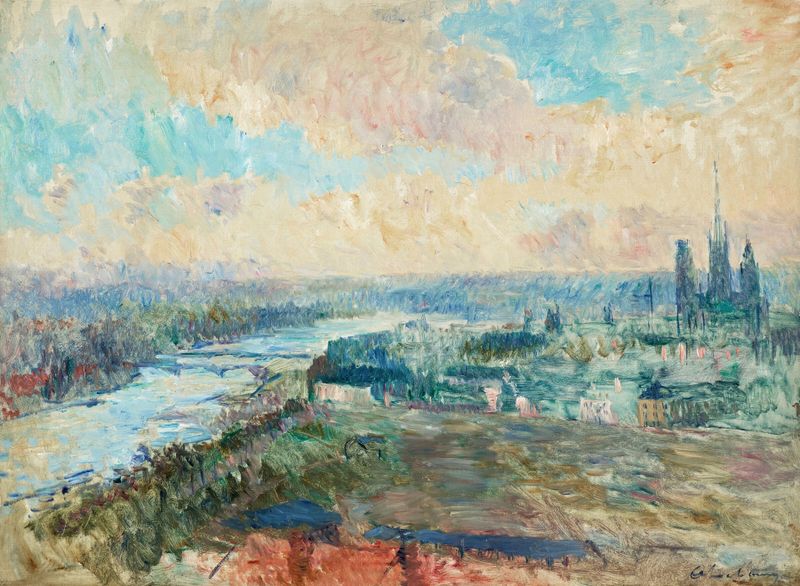
La Seine à Rouen
Albert Lebourg
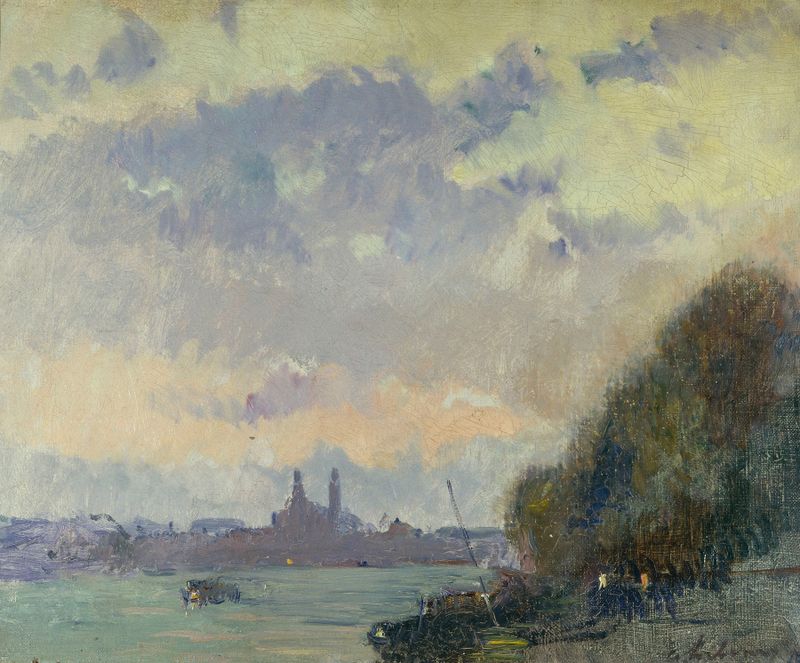
La Seine et l’ancien Trocadéro
Albert Lebourg
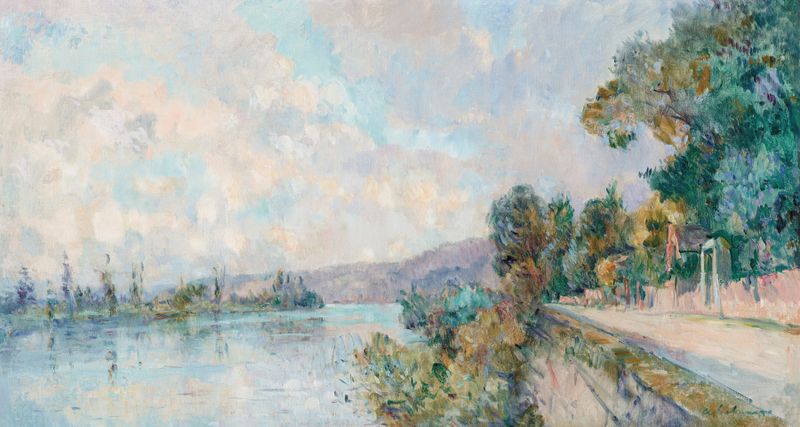
La Seine et les coteaux de Dieppedalle, vue prise de Croisset, près Rouen
Albert Lebourg
Le Pont de la Tournelle et le quai de Béthune
Albert Lebourg
Moulin En Normandie
Albert Lebourg





