Bowl with three legs and the handle in the shape of a dragons head — History & Facts
Is this a mirror — or a memory? In the delicate curves of a bowl, an echo of history stirs, urging us to confront the legacies we inherit and the stories we leave behind. Look closely at the intricate handle, shaped like a dragon's head, its fierce expression capturing both strength and mythology. Notice how the muted, earthy tones of the bowl contrast with the vibrant detail of the dragon, creating a dance between the ordinary and the extraordinary. The three legs ground it firmly, symbolizing stability, while the artful curvature invites touch, embodying a sense of intimacy and connection. Beneath its functional form lies a wealth of hidden meanings.
The dragon, revered in various cultures as a symbol of power and protection, speaks to the duality of creation and destruction, a reminder of the legacies that shape our identities. The careful balance of form and function suggests an appreciation for craftsmanship, highlighting the relationship between utility and artistry in a time when survival intertwined with beauty. This piece dates back to a time when the boundaries of art and daily life began to blur, around the turn of the first millennium. Created by an unknown artist, it reflects a society rich in tradition and myth, where everyday objects served not only a purpose but also conveyed deep cultural narratives.
As the world around them evolved, this artist preserved whispers of their time, leaving us a tangible connection to an ancient legacy.
More Artworks by Unknown Artist
Browse all →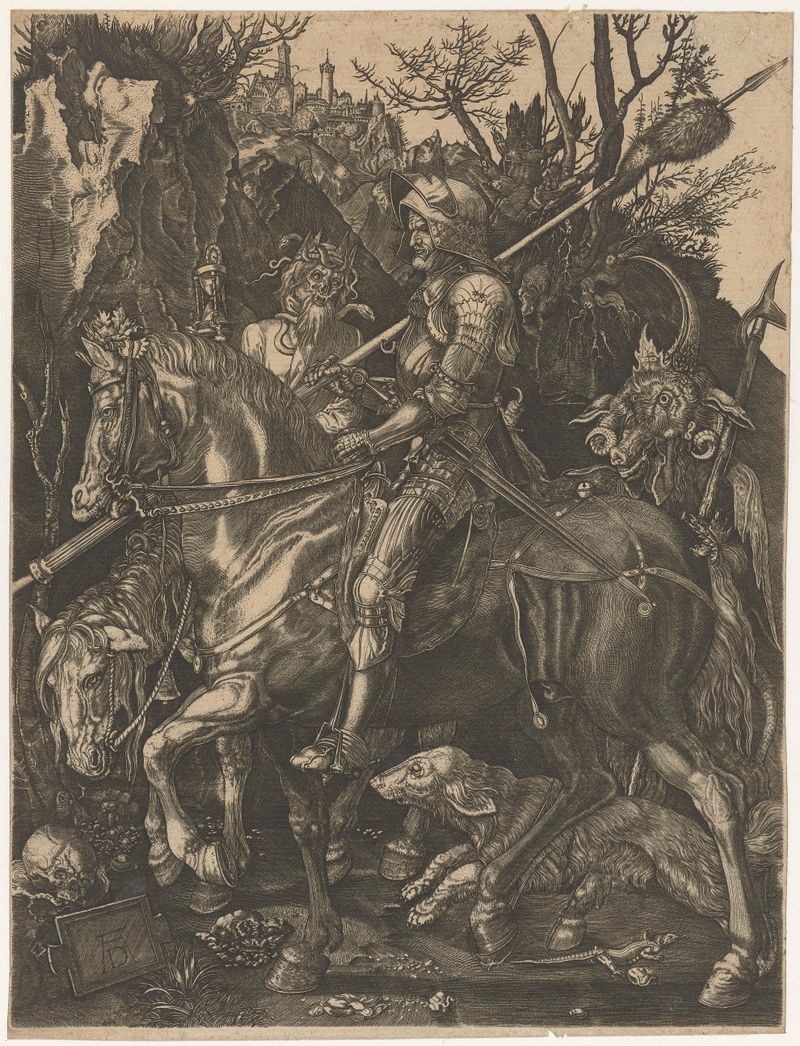
Ridder, Dood en Duivel
Unknown Artist
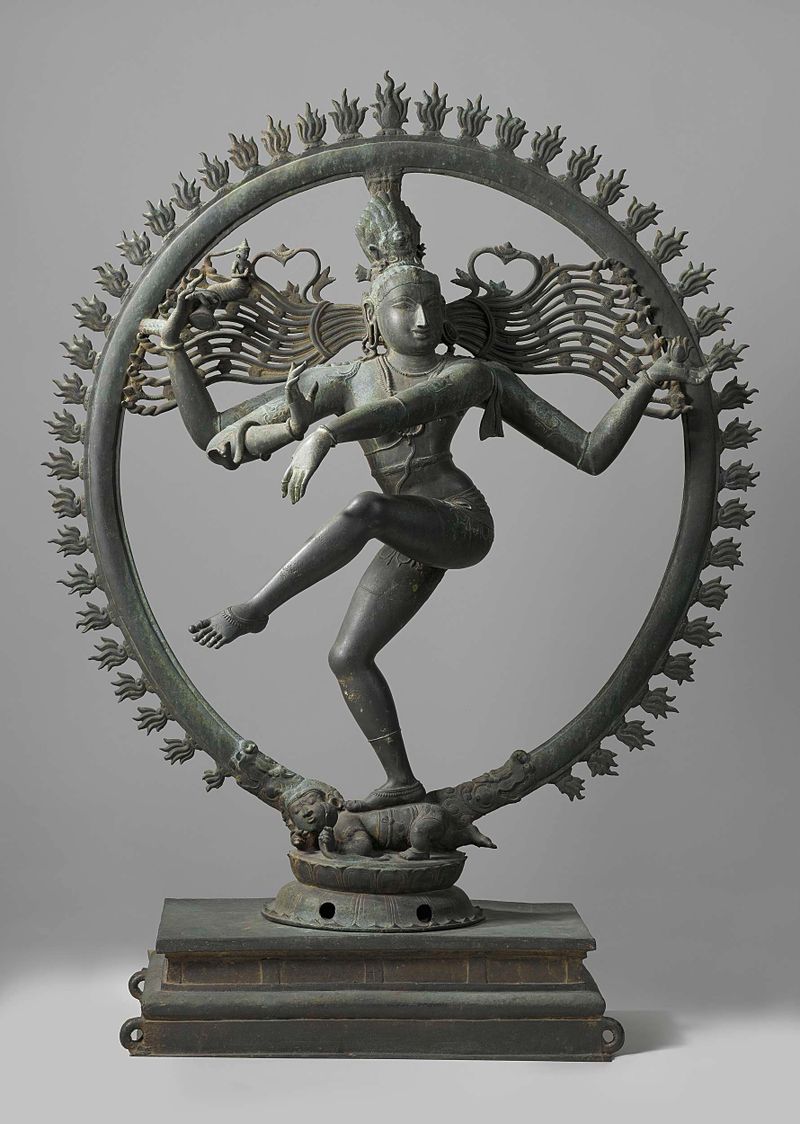
Shiva Nataraja
Unknown Artist
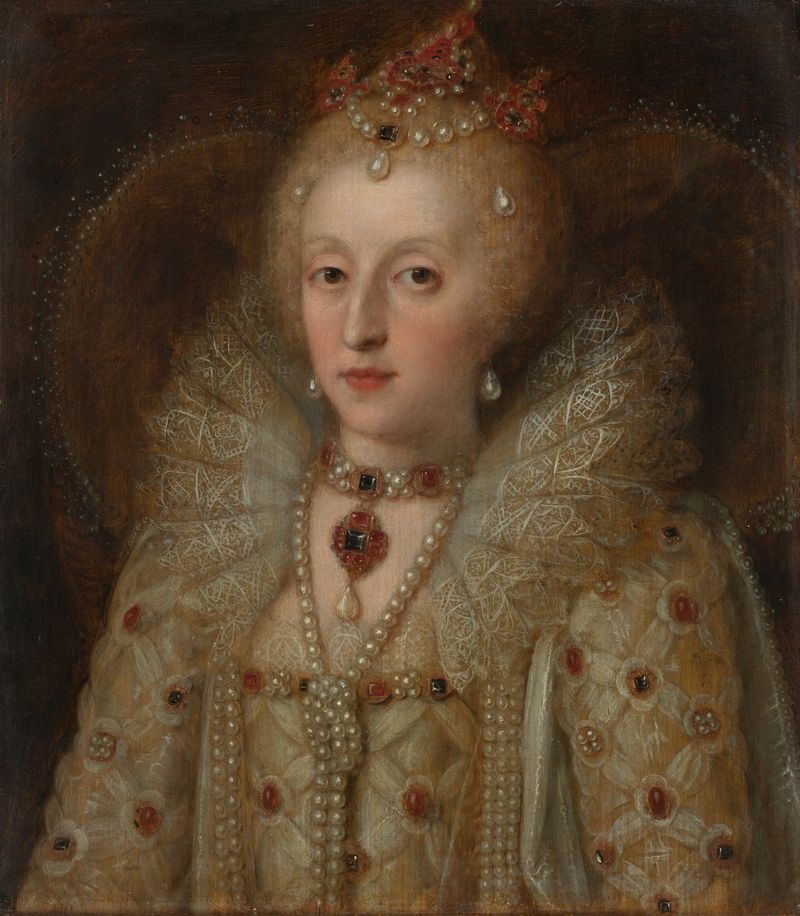
Portrait of Elizabeth I, Queen of England
Unknown Artist
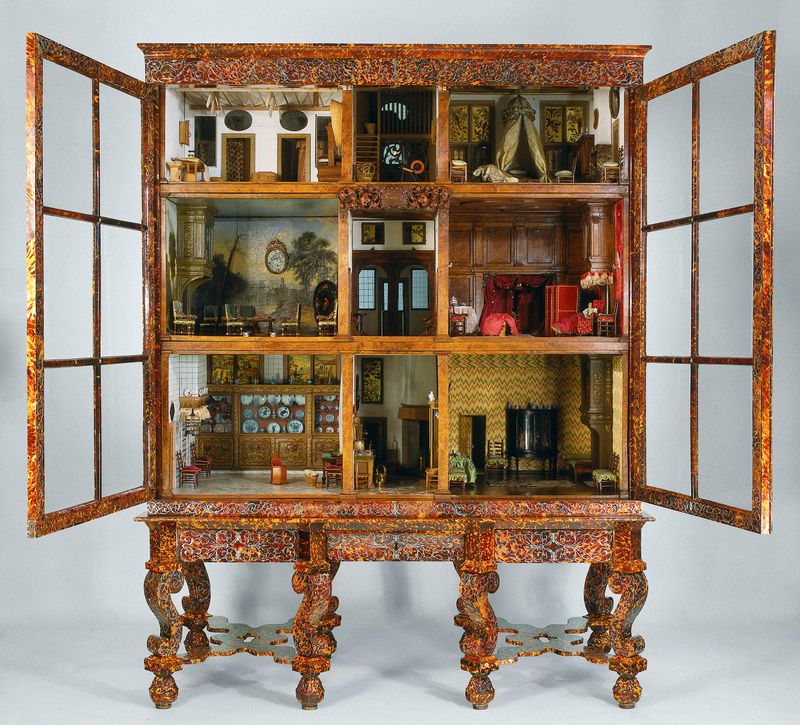
Dolls’ house of Petronella Oortman
Unknown Artist
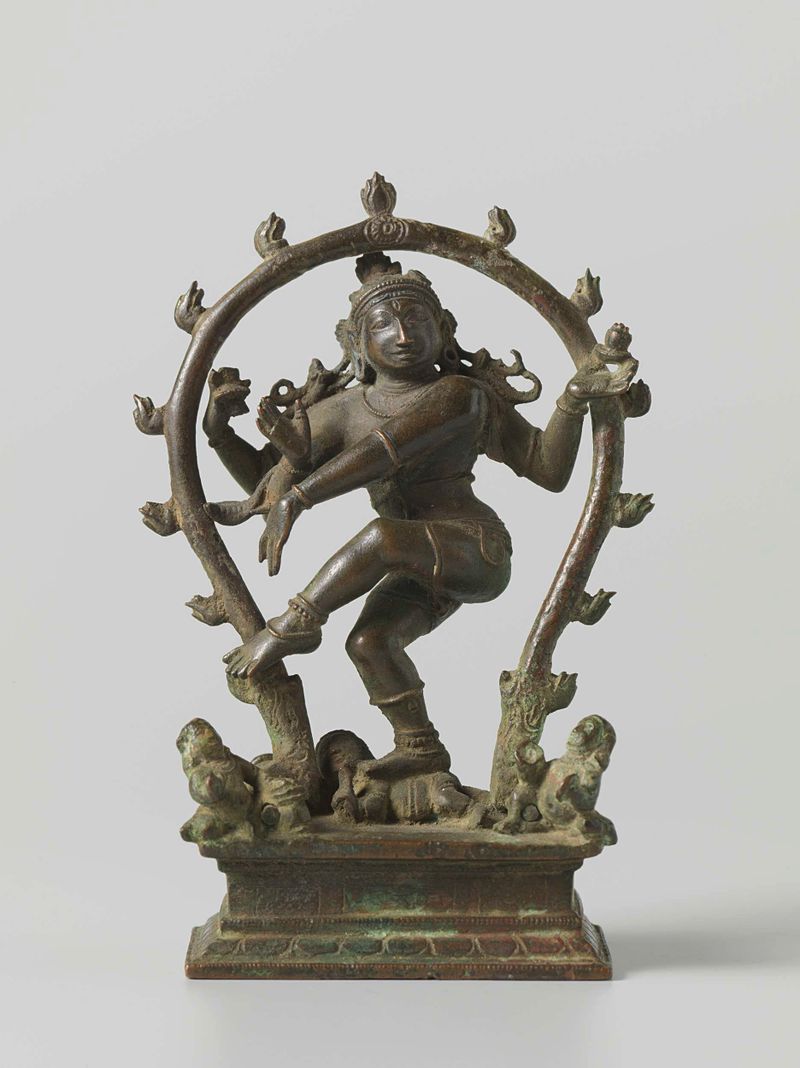
Shiva Nataraja
Unknown Artist

The Tale of Genji
Unknown Artist

The Tale of Genji
Unknown Artist
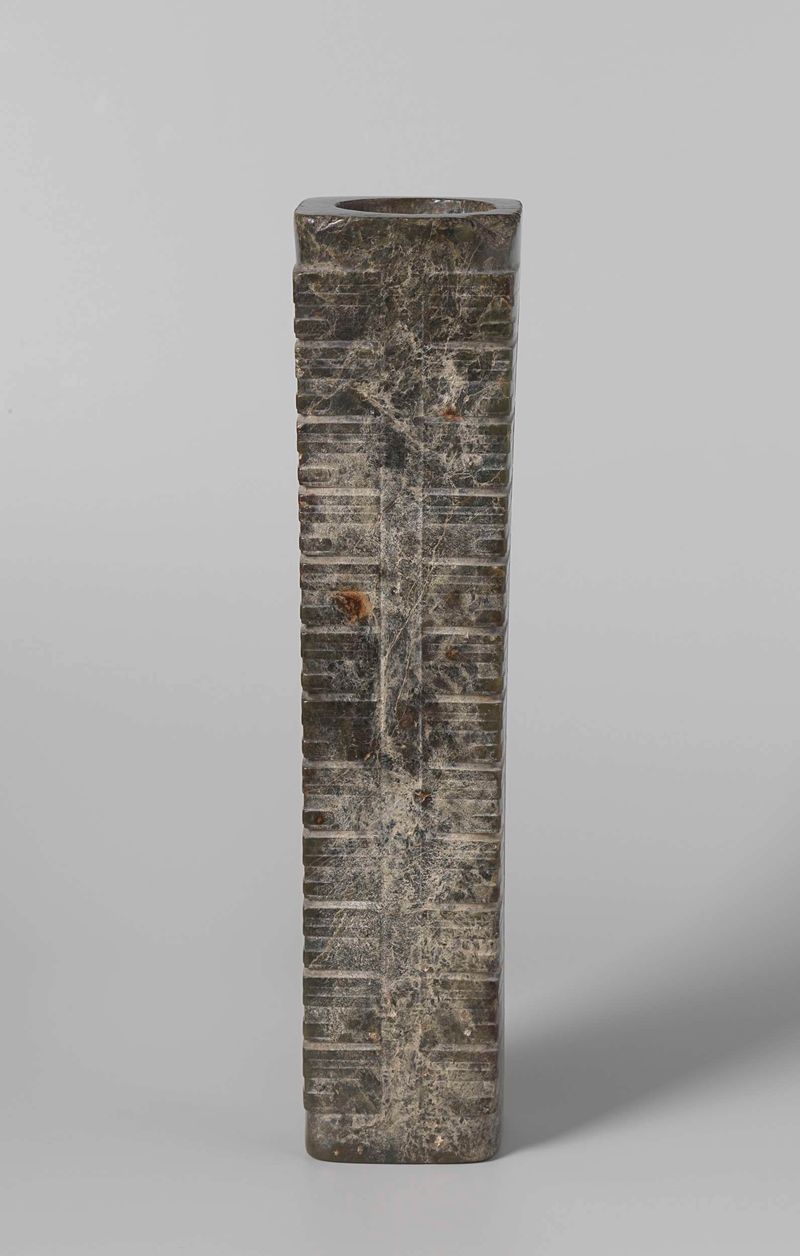
Cong
Unknown Artist
The bodhisattva Maitreya
Unknown Artist
Teabowl with a 'hare's fur' glaze
Unknown Artist