
Bretonne de Pont-Aven, les pieds dans la rivière — History & Facts
In Bretonne de Pont-Aven, les pieds dans la rivière, a haunting resonance of melancholy entwines with the shimmering allure of the scene, inviting the viewer into a poignant reflection on life’s complexities. Look to the left, where the soft curves of the young woman’s figure emerge from a lush backdrop of verdant greens and muted earth tones. Her toes dip gracefully into the cool water, creating ripples that mirror the gentle undulations of her flowing dress. Notice how light dances on the surface, casting fleeting sparkles that evoke a sense of transience, as if the moment is both captured and slipping away.
The delicate brushwork and harmonious color palette combine to create an inviting yet bittersweet atmosphere. Beneath the surface, the contrast between the vibrant nature surrounding her and the solitude in her pose hints at deeper emotional currents. The serenity of the river, with its reflective qualities, stands in stark juxtaposition to the unspoken sorrow lingering in her expression. This dichotomy suggests a narrative of longing and loss, where the beauty of the landscape serves as a bittersweet reminder of the complexities of existence, encapsulated in a single moment. Created in 1897, this work finds Henry Moret at a pivotal moment in his career, residing in Brittany, where he immersed himself in the local culture and landscapes.
Influenced by the Impressionists and the symbolism of the era, he sought to capture the interplay of light and emotion in his work. The late 19th century was a time of profound artistic exploration, with artists increasingly focused on personal expression and the subtleties of human experience, themes that resonate deeply in this evocative piece.
More Artworks by Henry Moret
Browse all →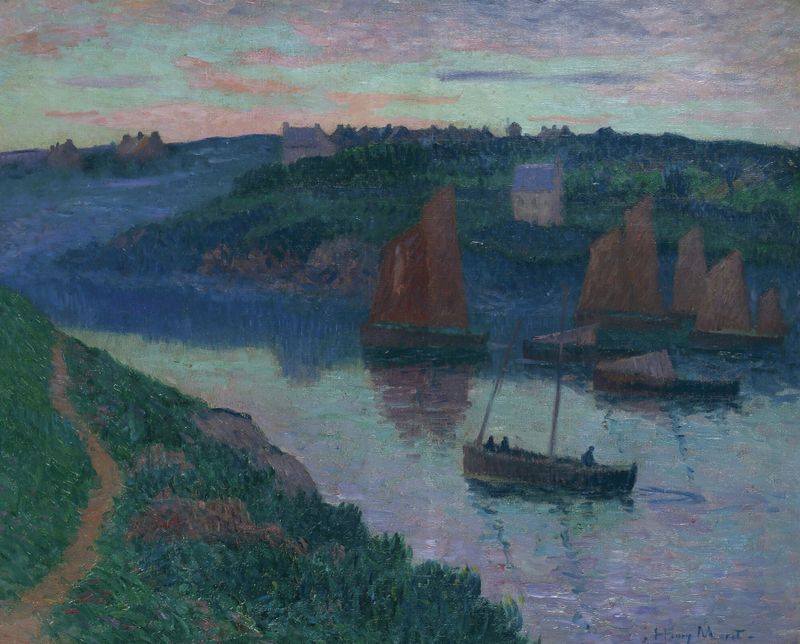
Bateaux De Pêche En Bretagne
Henry Moret
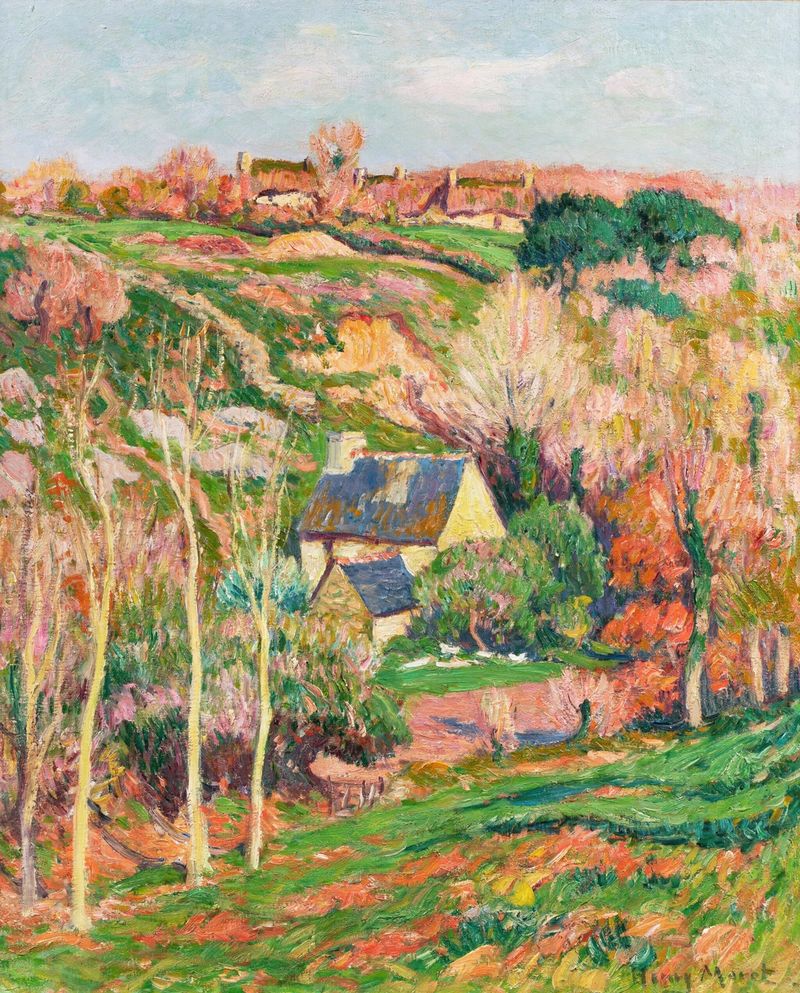
Fermes en Bretagne
Henry Moret
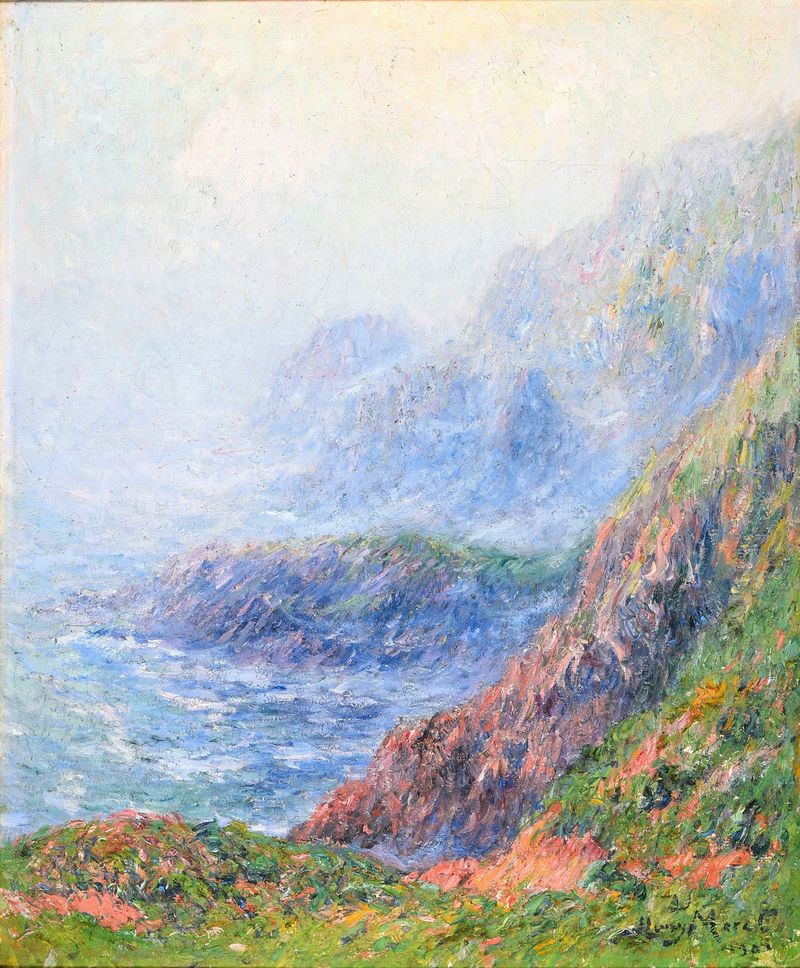
Matinée brumeuse à Ouessant
Henry Moret
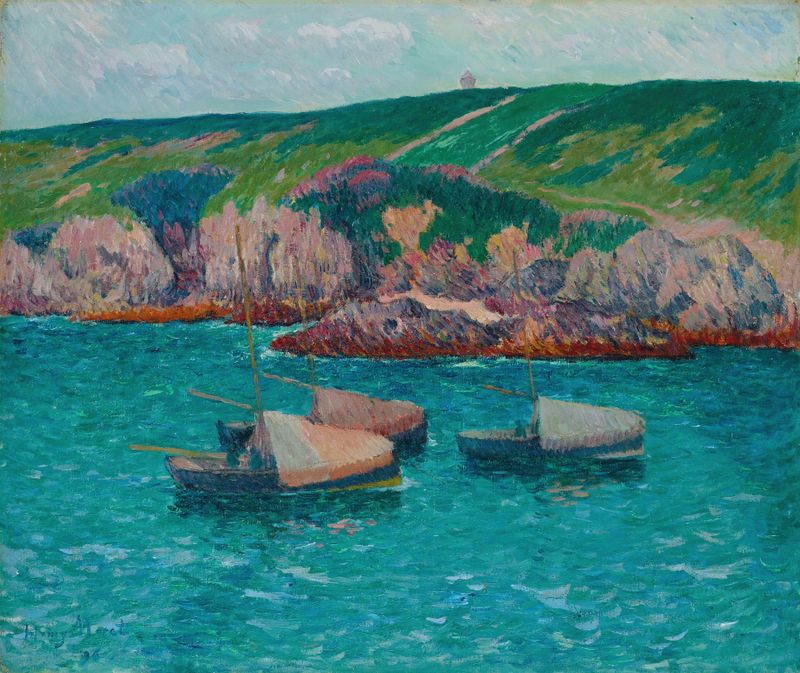
Les Barques à Doëlan
Henry Moret
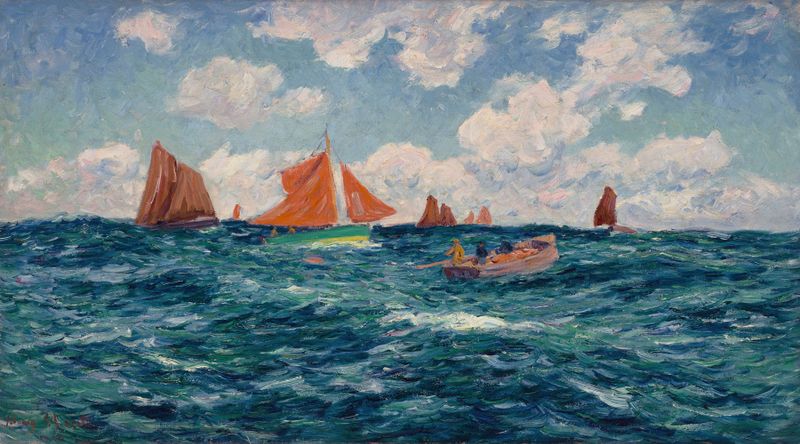
Pêcheurs au large
Henry Moret
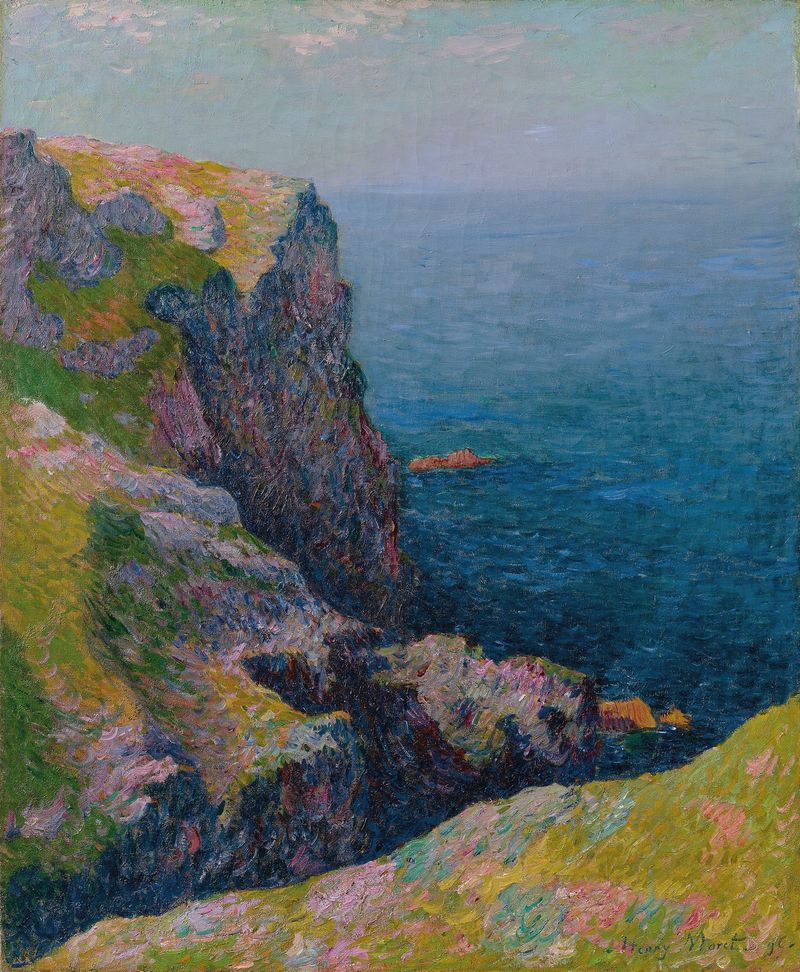
Ile de Groix, Pointe de l’Enfer
Henry Moret
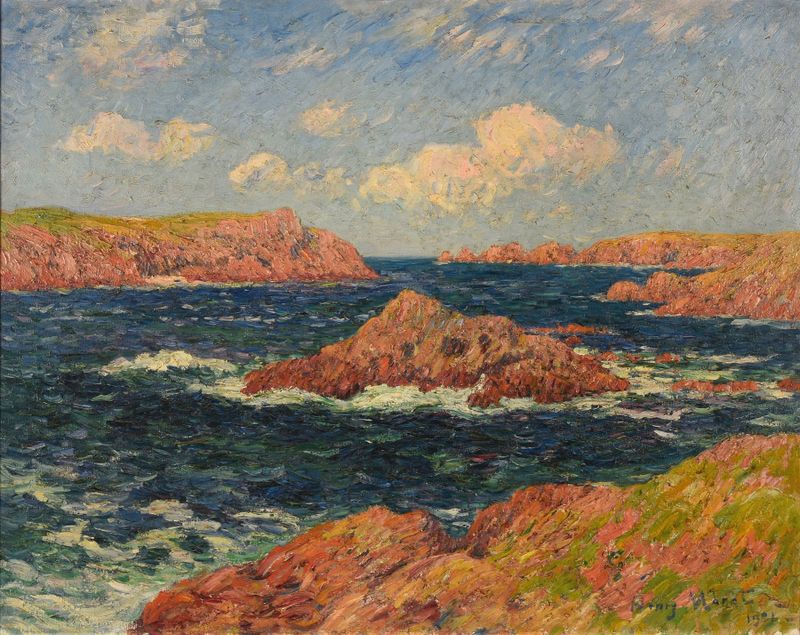
L’Ile de Kerellec (Ouessant)
Henry Moret
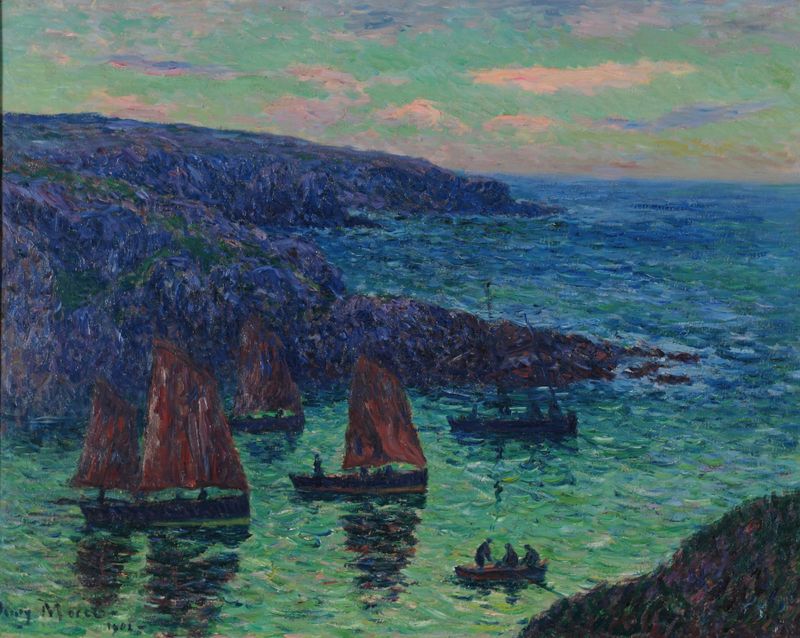
Le soir à Douëlan
Henry Moret
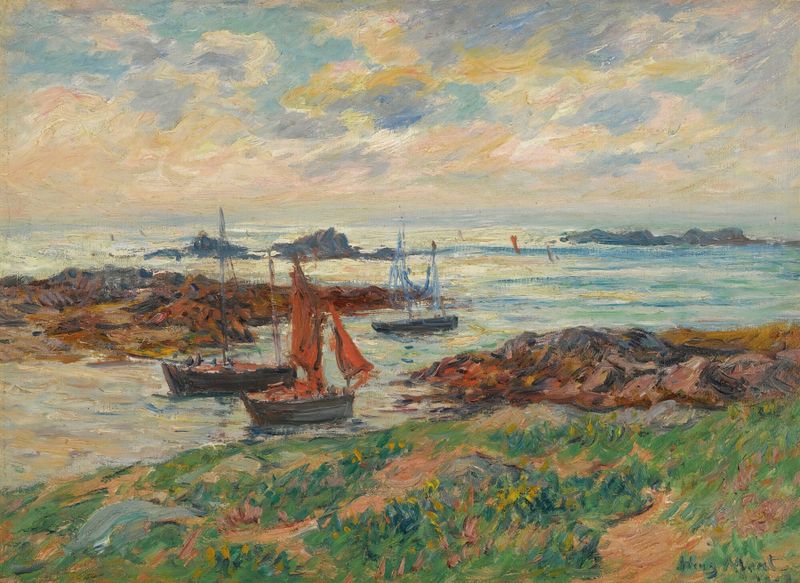
Les Glénans, Finistère
Henry Moret
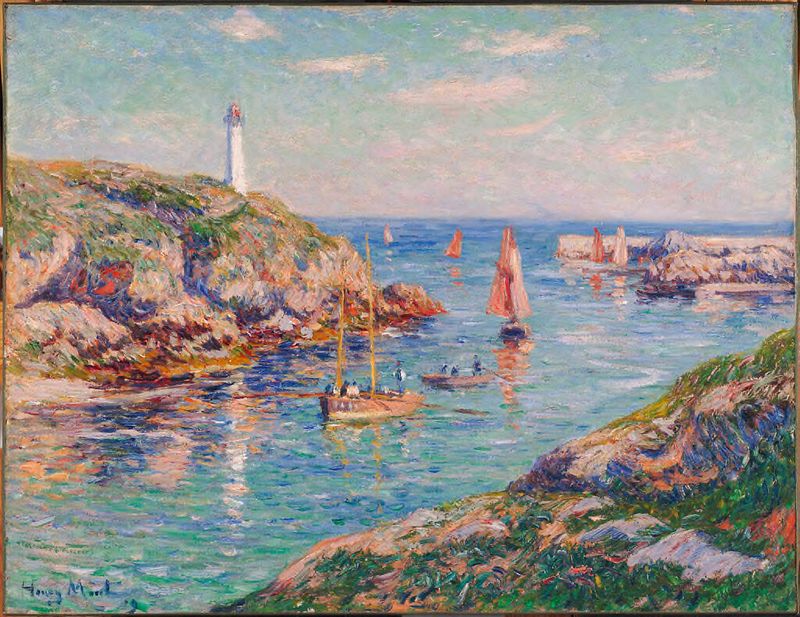
The Port of Douvelan
Henry Moret





