Bridge over the Seine — History & Facts
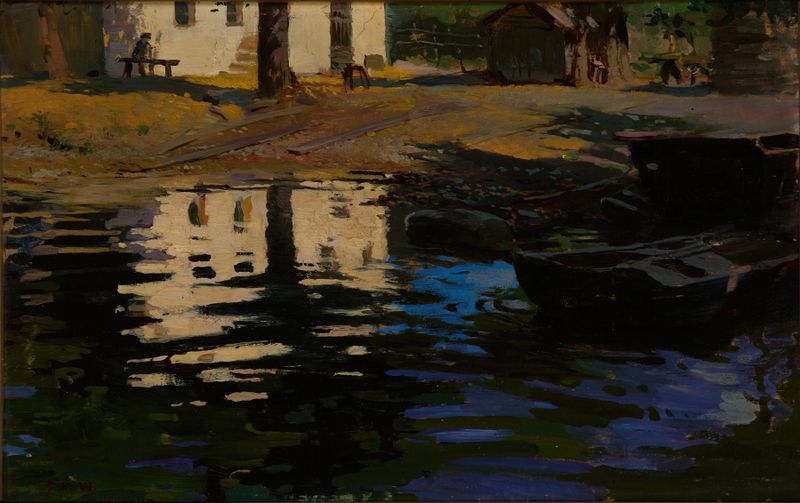
In the shifting currents of life, fragility stands as a poignant testament to our transitory existence, captured in the delicate strokes of a canvas that invites contemplation. Look to the left, where the soft outlines of the bridge emerge from a gentle mist, its arches cradling the water below like an embrace. The palette, a symphony of muted blues and soft grays, evokes a sense of calm, while wisps of white brushwork suggest the ephemeral quality of fog. Notice how the light dances on the surface of the Seine, illuminating the intricate play of reflections that shimmer like fleeting memories, urging the observer to linger a moment longer. Beyond its serene beauty, the painting embodies a deeper emotional tension—between permanence and impermanence.
The bridge, a steadfast structure, contrasts with the fluid, ever-changing water beneath it, emblematic of the passage of time. Each ripple suggests a memory lost to the currents, while the solid form of the bridge stands as a reminder of moments we seek to preserve. This duality speaks to the fragility of our experiences, revealing how moments of stillness can evoke profound feelings of nostalgia. In 1903, the artist was immersed in a world enveloped in artistic exploration and transition, working in Paris during a time when Impressionism was giving way to more modern expressions.
Wygrzywalski, influenced by the atmospheric beauty surrounding the Seine, sought to capture not just the landscape, but the ephemeral essence of life itself. Amidst the changing tides of art and society, he painted Bridge over the Seine, a work that resonates with the fragile beauty of existence.