Broad Street, Oxford — History & Facts
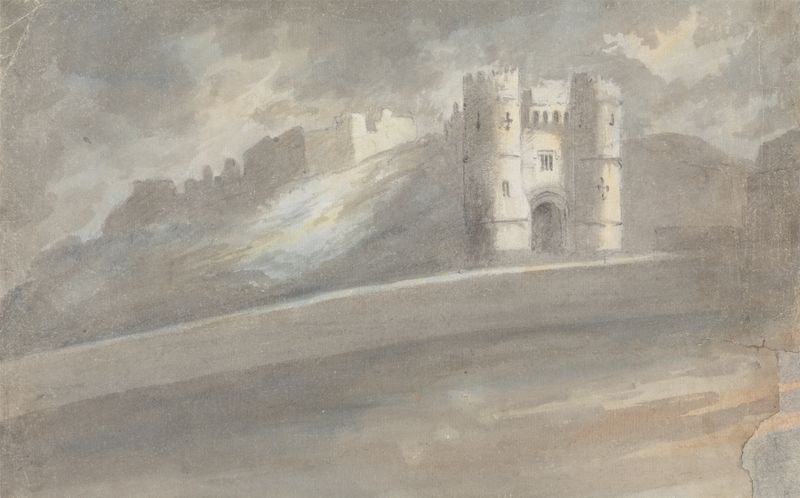
When did color learn to lie? In the world of art, hues weave tales both vivid and deceptive, revealing truths beneath the surface. Look to the center of the canvas, where the bustling street of Oxford unfolds. Notice how the earthy tones of the buildings contrast with the soft greens of the surrounding foliage, creating a lively yet harmonious atmosphere. The artist masterfully employs light and shadow that dances across the cobblestones, drawing your gaze along the thoroughfare as figures meander through their daily lives.
Each brushstroke invites you to explore the dynamics of urban existence, where the interplay of color and form hints at the vibrancy of the moment. As you examine the details, subtle emotions emerge—the tension between the tranquility of nature and the energy of city life. The juxtaposition of the rigid architecture and the fluid movement of pedestrians suggests a dialogue between permanence and transience. Here, the artist captures not only a scene but also the essence of human connection, as each figure, though small, contributes to the larger narrative of the street. In 1790, John Malchair painted this work during a period of growth and change in Oxford.
While the city was experiencing the intellectual stirrings of the Enlightenment, the artist himself navigated the challenges of being a German immigrant in England. His artwork reflects a commitment to capturing the nuances of daily life, revealing the depth of experience in the seemingly mundane.