Bronze bell — History & Facts
Did the painter know this moment would outlive them? In the quiet of time, the bronze bell remains, a testament to the echoes that once filled the air, now steeped in stillness and emptiness. Look closely at the surface of the bell, where the interplay of light and shadow creates a dance of reflections. The patina, rich and varied, draws the eye to its textured surface—each mark a whisper of history. Notice how the edges are worn, as if bearing the weight of countless tolls that have resonated through the ages.
The circular form invites a sense of unity and completeness, yet the hollow interior speaks of absence, a void where sound once vibrated. The juxtaposition of the bell’s enduring material and its silent presence evokes a contemplation of time. Each imperfection is a reminder of the fleeting nature of life, while the solid bronze defies decay, standing as a paradoxical emblem of both permanence and transience. It invites an emotional resonance, stirring reflections on what it means to leave a mark in the world, even as the echo fades into silence. Crafted between 600 and 930, this bell emerges from an era rich in cultural and spiritual significance.
Its anonymous creator worked within a society where art was deeply intertwined with ritual and communal life. During this period, societies were beginning to codify their identities through craftsmanship, and this piece reflects a moment of connection with both the divine and the earthly, permeating the lives of those who would gather around its sound.
More Artworks by Unknown Artist
Browse all →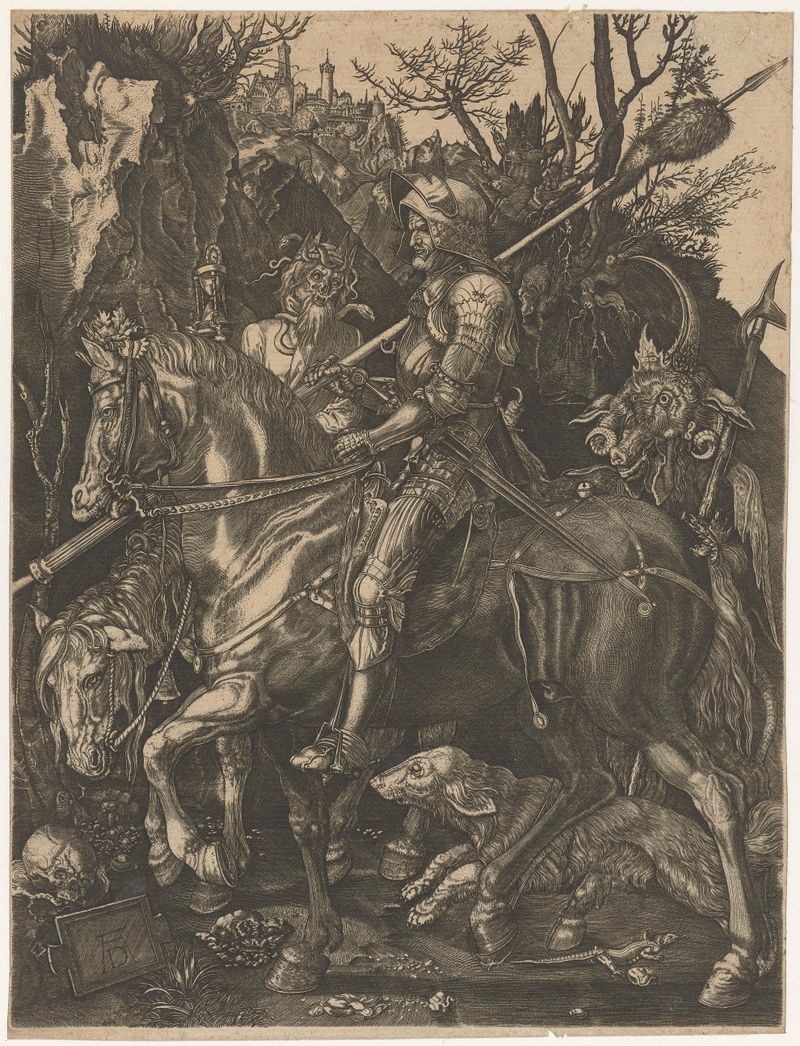
Ridder, Dood en Duivel
Unknown Artist
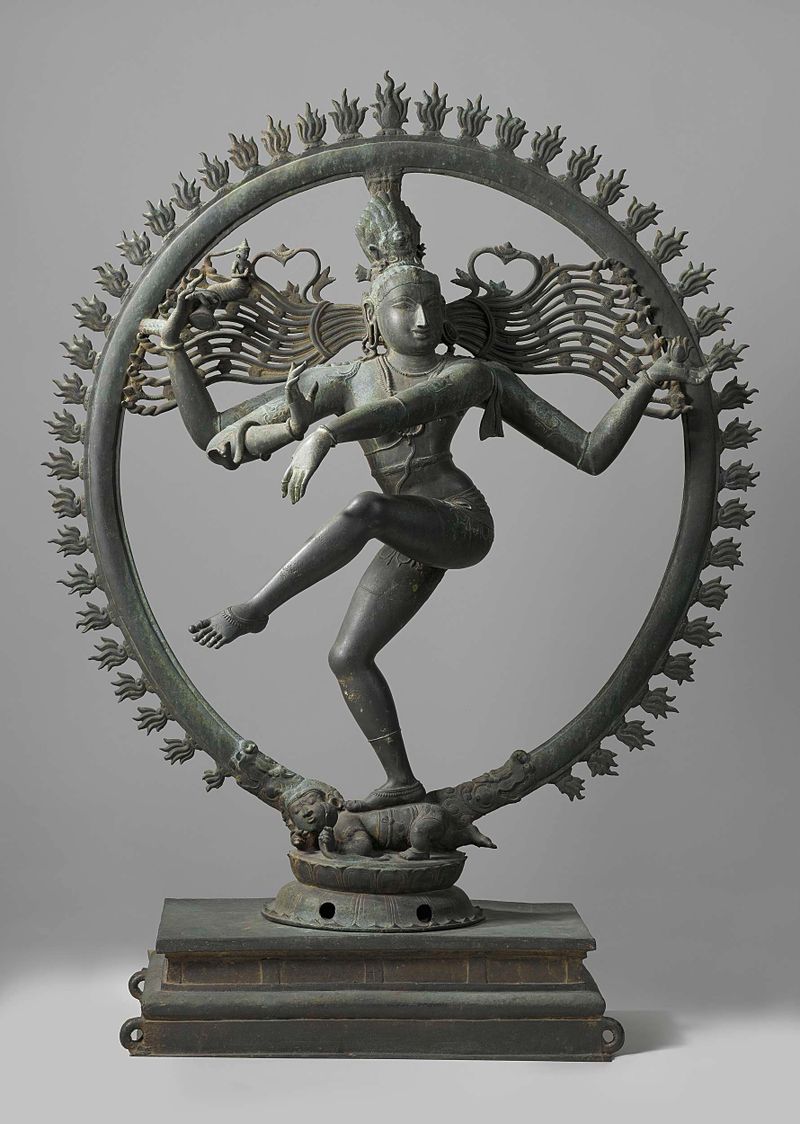
Shiva Nataraja
Unknown Artist
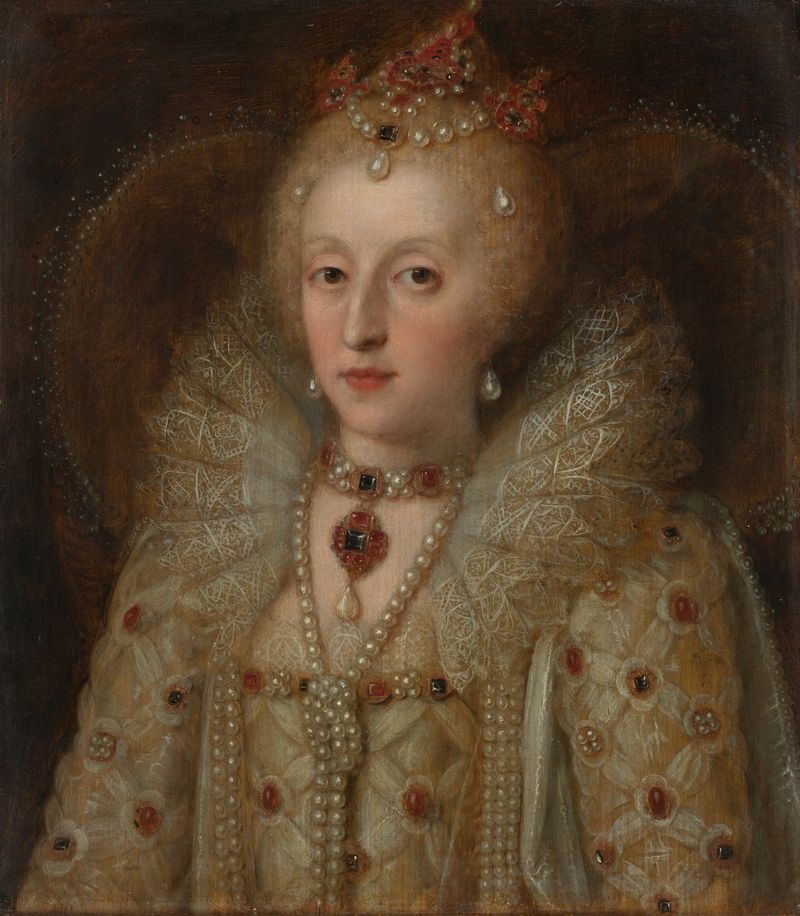
Portrait of Elizabeth I, Queen of England
Unknown Artist
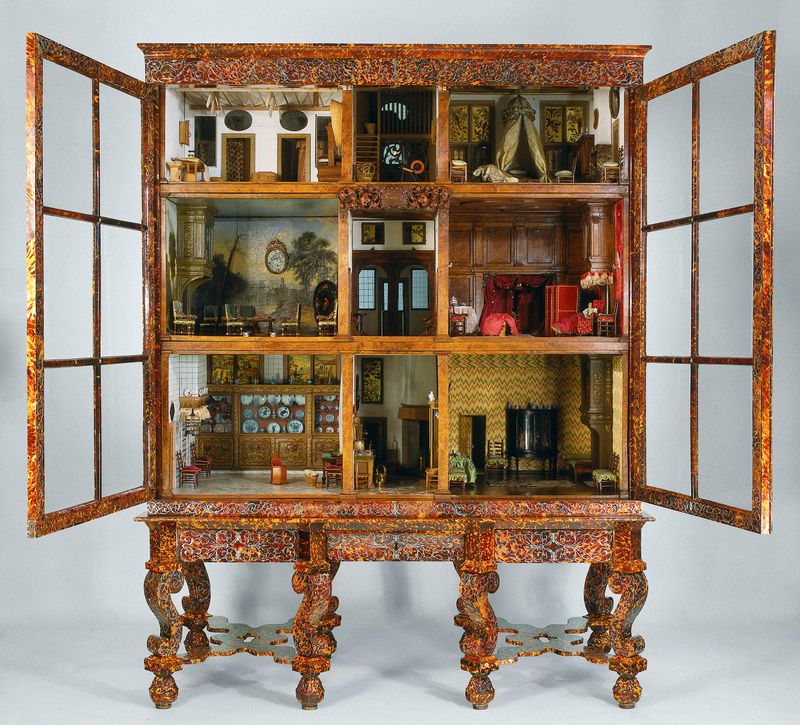
Dolls’ house of Petronella Oortman
Unknown Artist
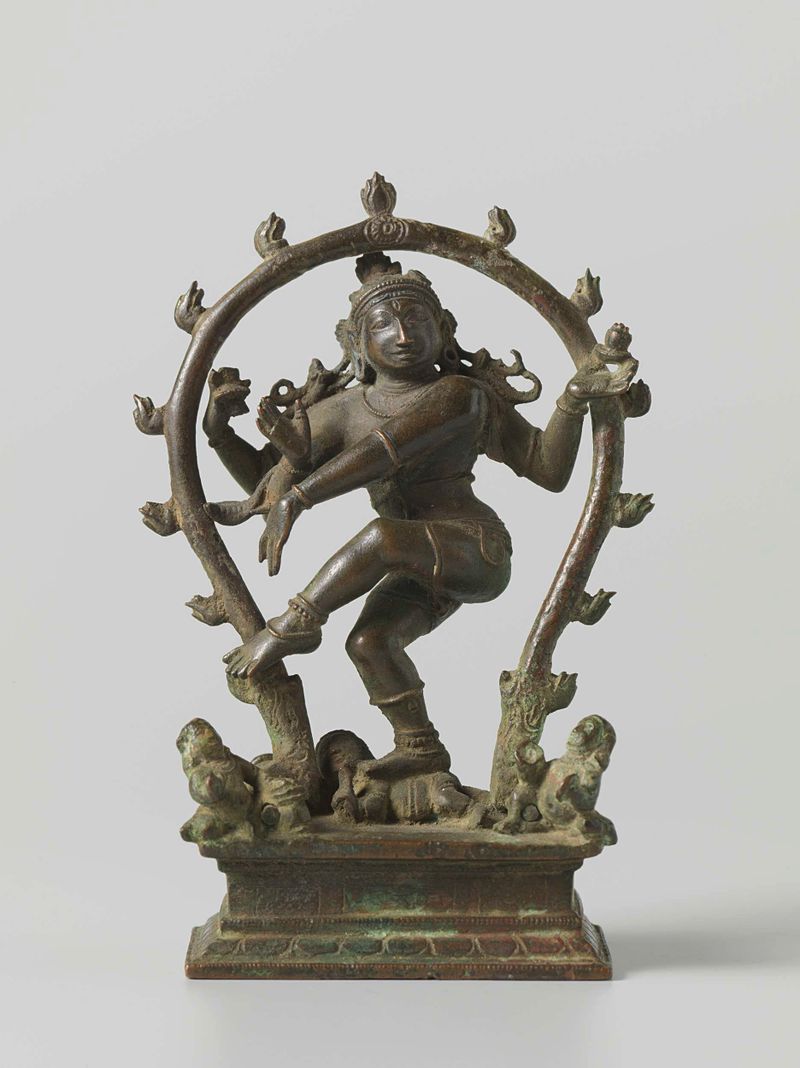
Shiva Nataraja
Unknown Artist

The Tale of Genji
Unknown Artist

The Tale of Genji
Unknown Artist
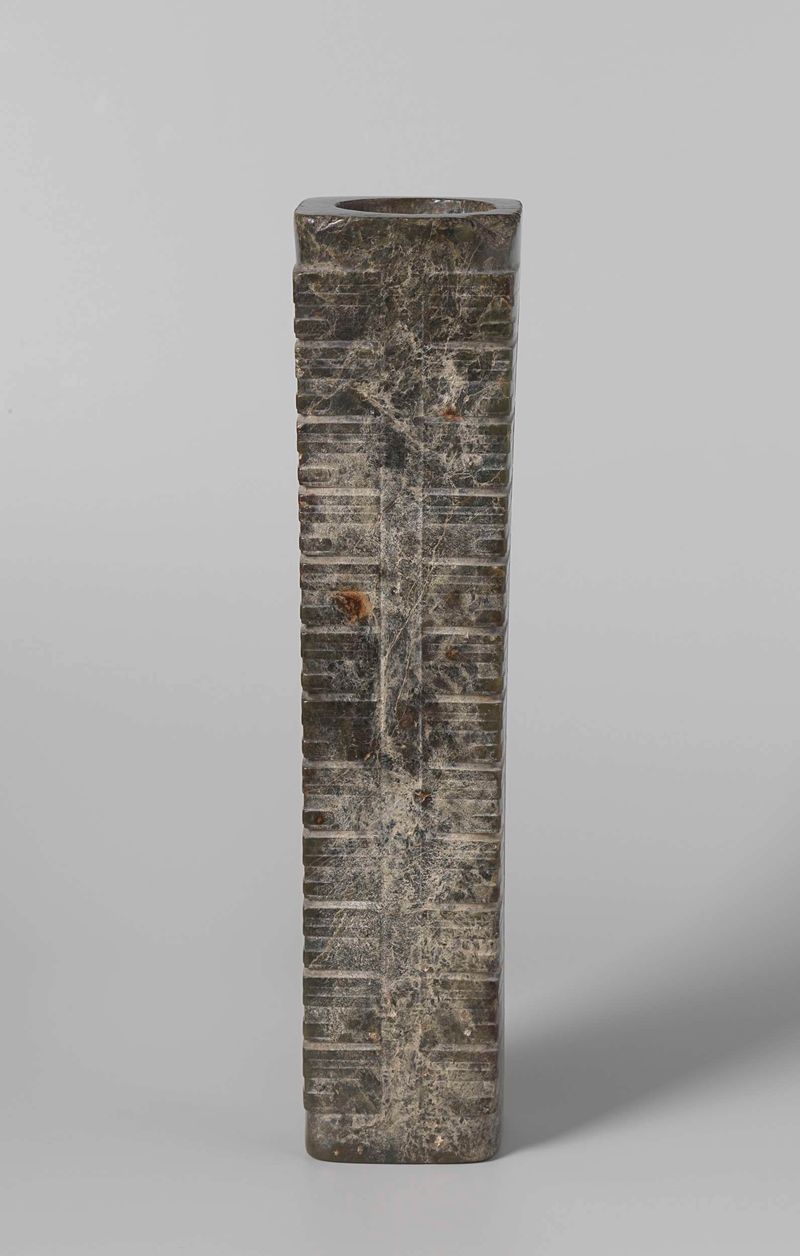
Cong
Unknown Artist
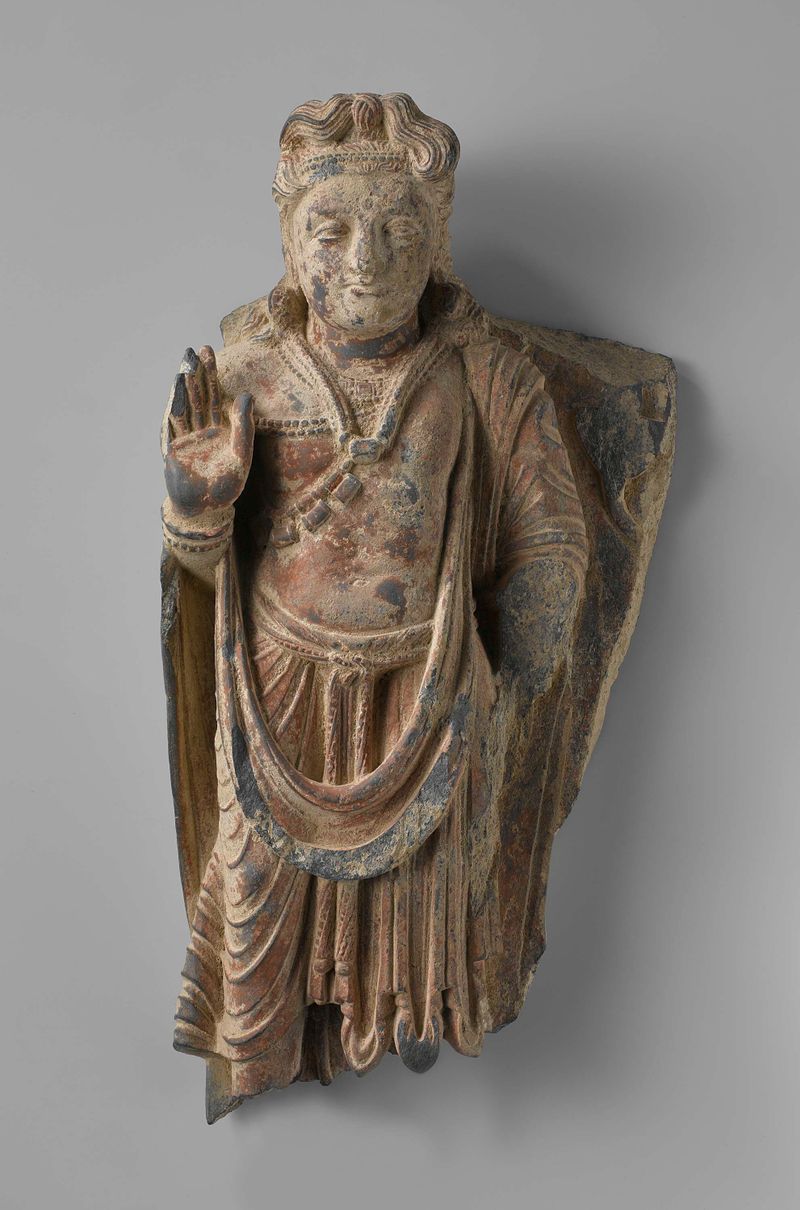
The bodhisattva Maitreya
Unknown Artist
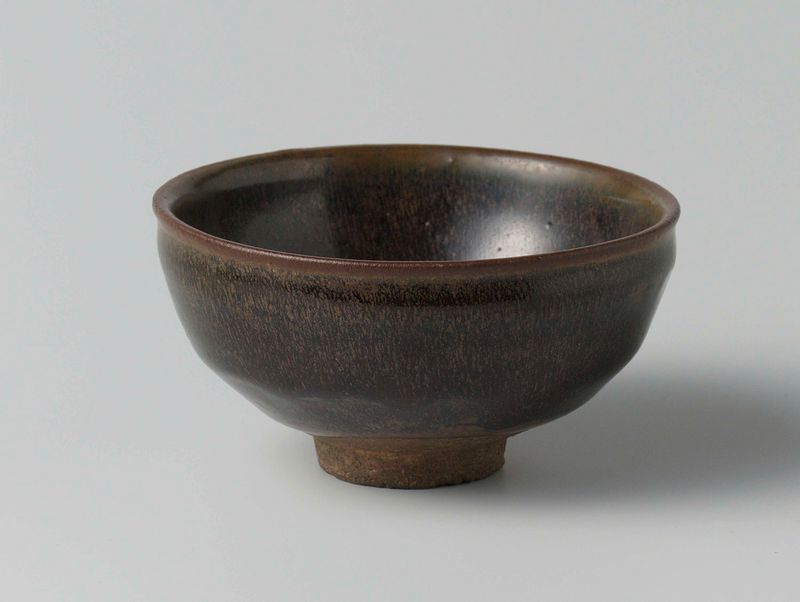
Teabowl with a 'hare's fur' glaze
Unknown Artist