Bucht von Messene — History & Facts
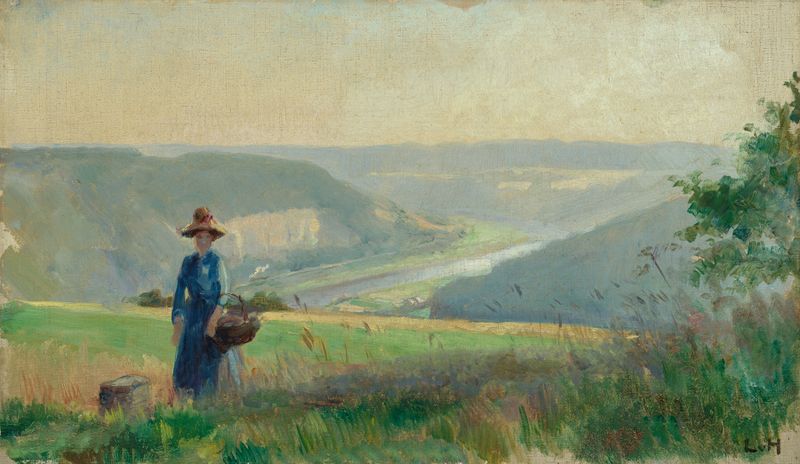
In the delicate balance of hues, movement emerges not just as a visual element, but as a profound dialogue between nature and emotion. This painting invites contemplation, whispering the secrets of a world caught in the interplay of light and form. To fully appreciate the artwork, start by focusing on the sweeping lines that define the horizon, leading your eye toward the tranquil bay. Notice how the artist’s brushstrokes dance fluidly across the canvas, creating a sense of rippling water that mirrors the undulating landscape.
The palette is rich with vibrant blues and soft earth tones, each color enhancing the sense of depth and inviting the viewer to linger in the moment. The ethereal quality of light is expertly captured, illuminating the scene and giving life to every curve and contour. Hidden within this serene vista lies an emotional tension. The juxtaposition of stillness and movement evokes feelings of nostalgia, suggesting the fleeting nature of time.
The way the colors blend together hints at transitions—between day and night, calm and chaos. This duality reveals a deeper narrative, inviting the viewer to reflect on their own experiences of change and continuity in life. In 1910, Ludwig von Hofmann was living in Germany, immersed in the vibrant artistic movements of his time. The era was marked by a growing interest in Impressionism and Symbolism, as artists sought to express not just what they saw, but how they felt.
This piece reflects that ethos, embodying both the beauty of the natural world and the complexities of human emotion, as Hofmann navigated his own artistic development amidst the changing tides of early 20th-century art.