
Buddha — History & Facts
When did color learn to lie? In a world steeped in impermanence, this iconic figure embodies the essence of rebirth and enlightenment—a testament to the enduring human spirit. Look to the figure at the center of the composition, serene and composed. The smooth contours of the Buddha's face, carved from stone, exude tranquility, while intricate details around the eyes suggest a depth of wisdom. Notice how the ochre and earthy tones envelop the figure, contrasting sharply with the starkness of the background.
The subtle variations in hue reflect a harmony between the material and the spiritual, inviting the viewer to contemplate the nature of existence. Delve into the symbolism that permeates this ancient work. The elongated earlobes signify wisdom gained through listening, while the mudras—the hand gestures—represent various aspects of teachings, such as compassion and meditation. Each feature serves as a reminder of the delicate balance between life and death, the cycles of suffering and liberation.
The almost ethereal quality of the figure suggests a transcendent state, blurring the lines between the physical and the divine, encouraging introspection on the nature of reality. Created between 600 and 800 CE, this piece emerged during a period of flourishing artistic expression in ancient Asia, as Buddhism spread and evolved. The unknown artist, likely influenced by a rich tapestry of cultural exchanges, crafted this sculpture amid a backdrop of spiritual awakening and philosophical exploration. This work stands as both a relic of its time and a timeless beacon for those seeking inner peace and understanding.
More Artworks by Unknown Artist
Browse all →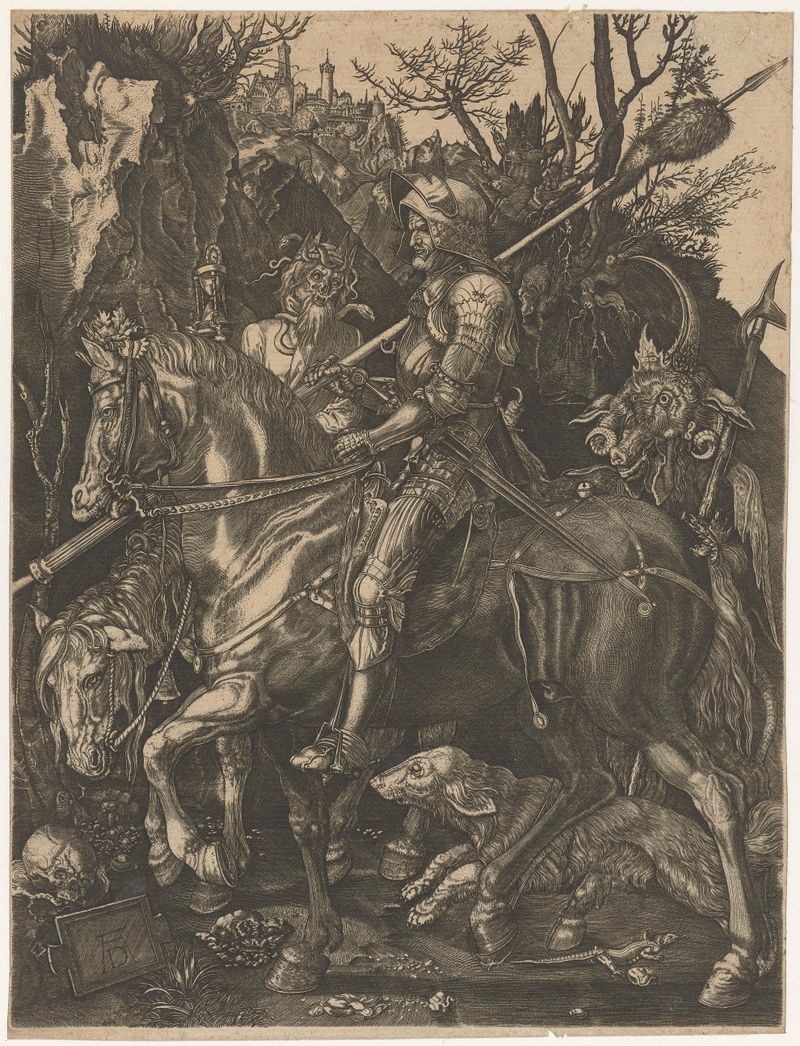
Ridder, Dood en Duivel
Unknown Artist
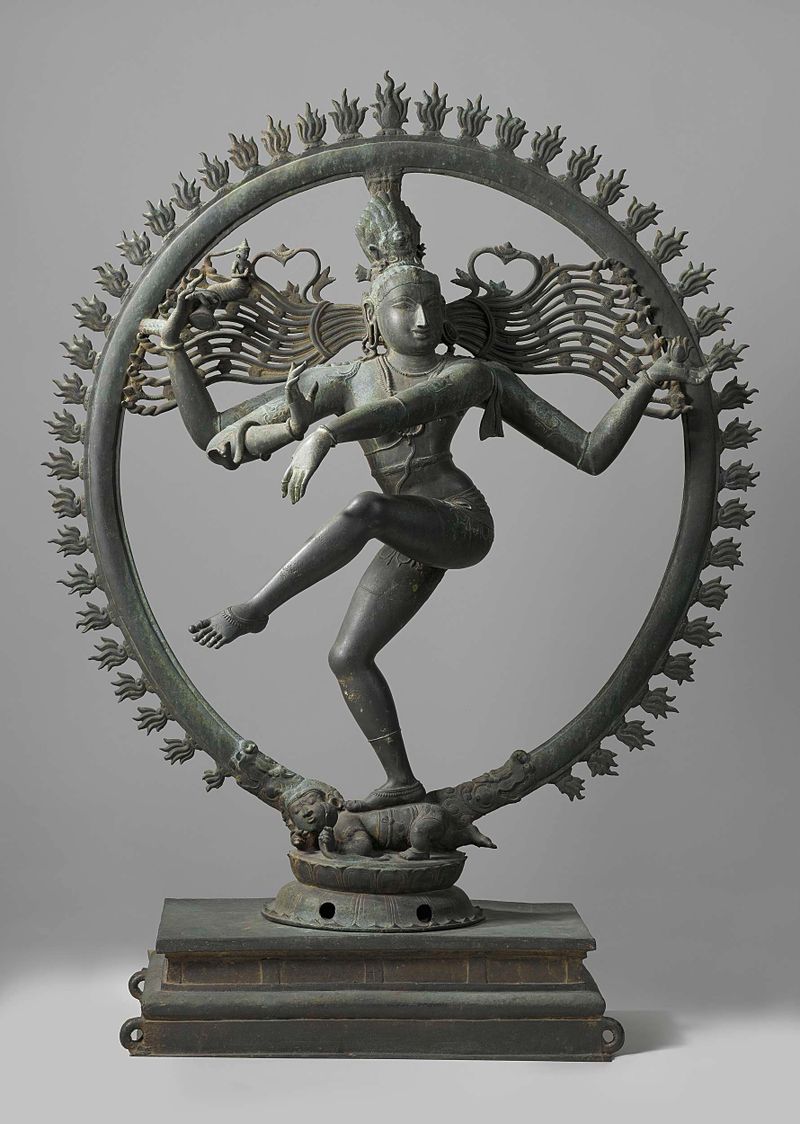
Shiva Nataraja
Unknown Artist
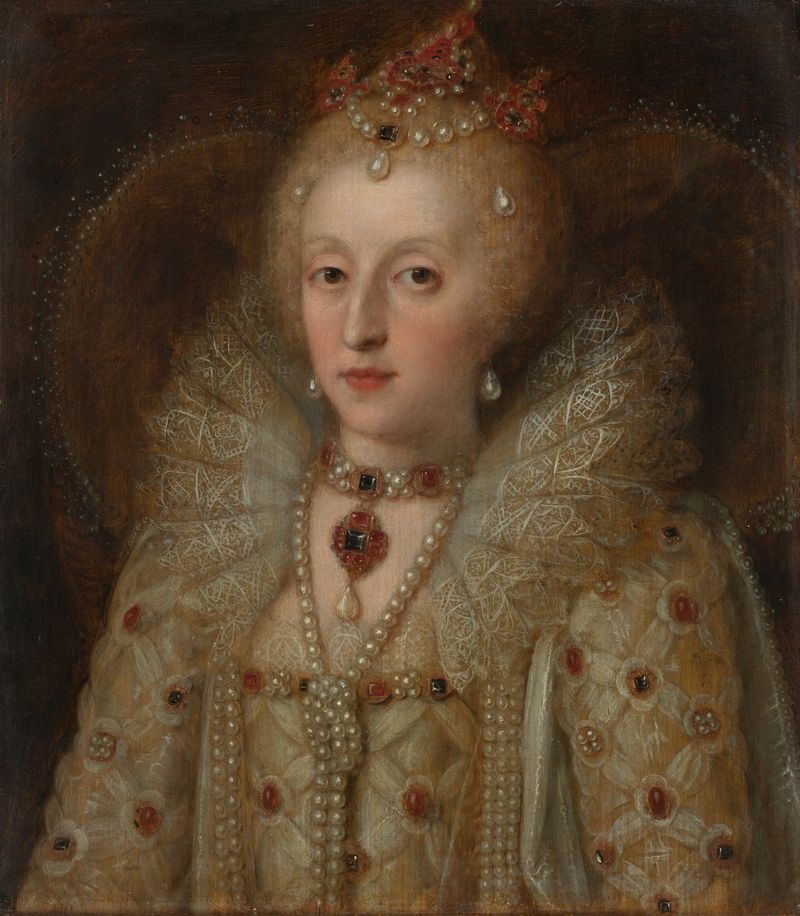
Portrait of Elizabeth I, Queen of England
Unknown Artist
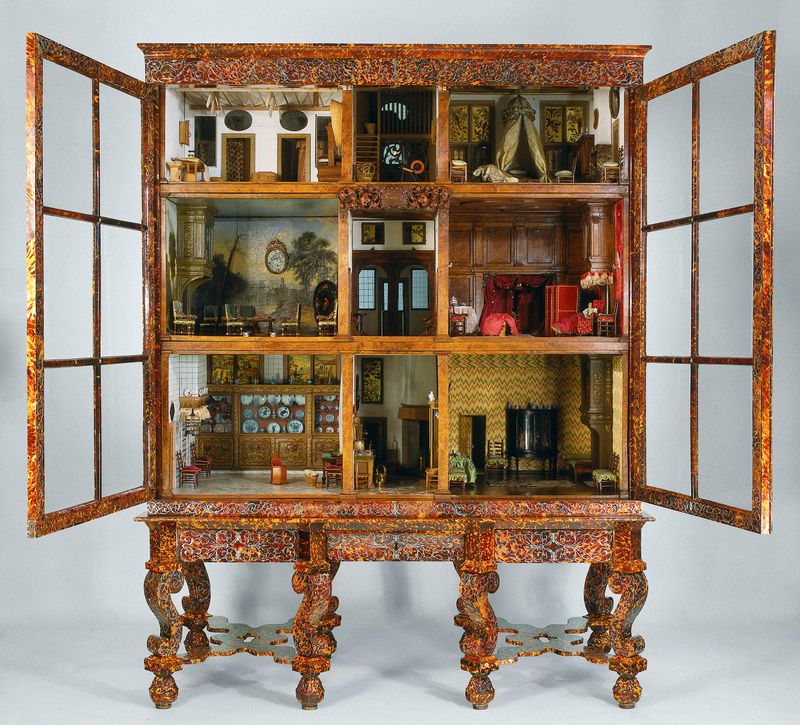
Dolls’ house of Petronella Oortman
Unknown Artist
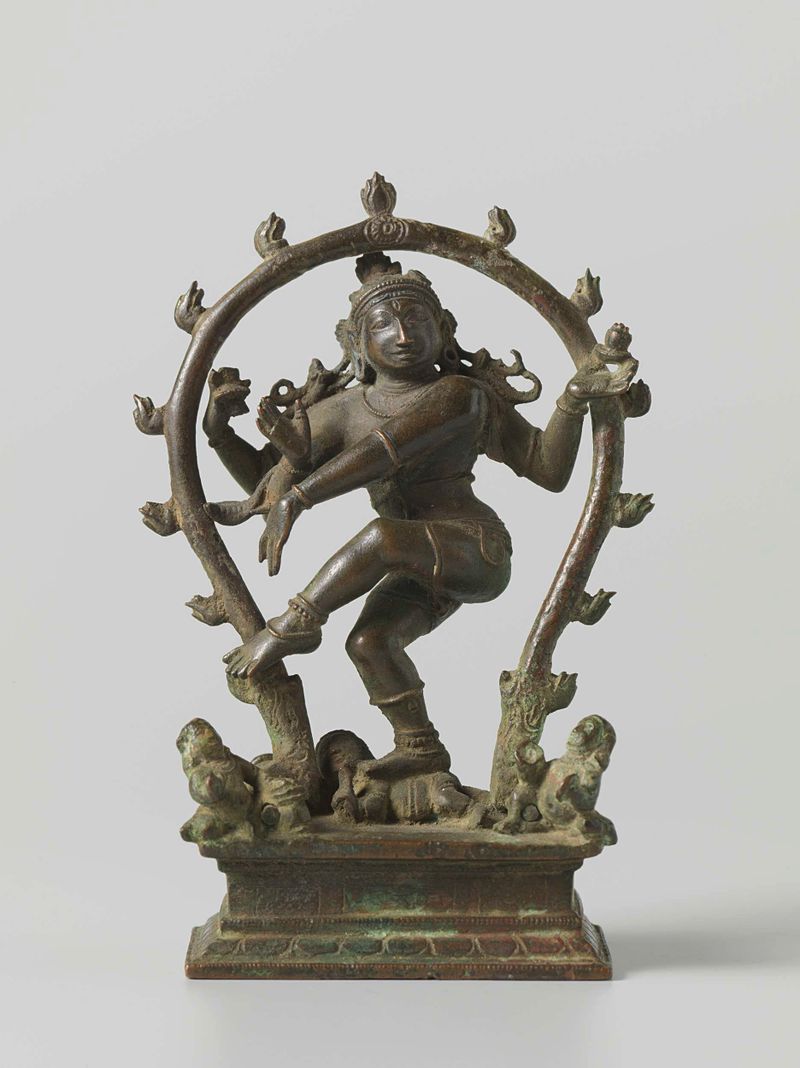
Shiva Nataraja
Unknown Artist

The Tale of Genji
Unknown Artist

The Tale of Genji
Unknown Artist
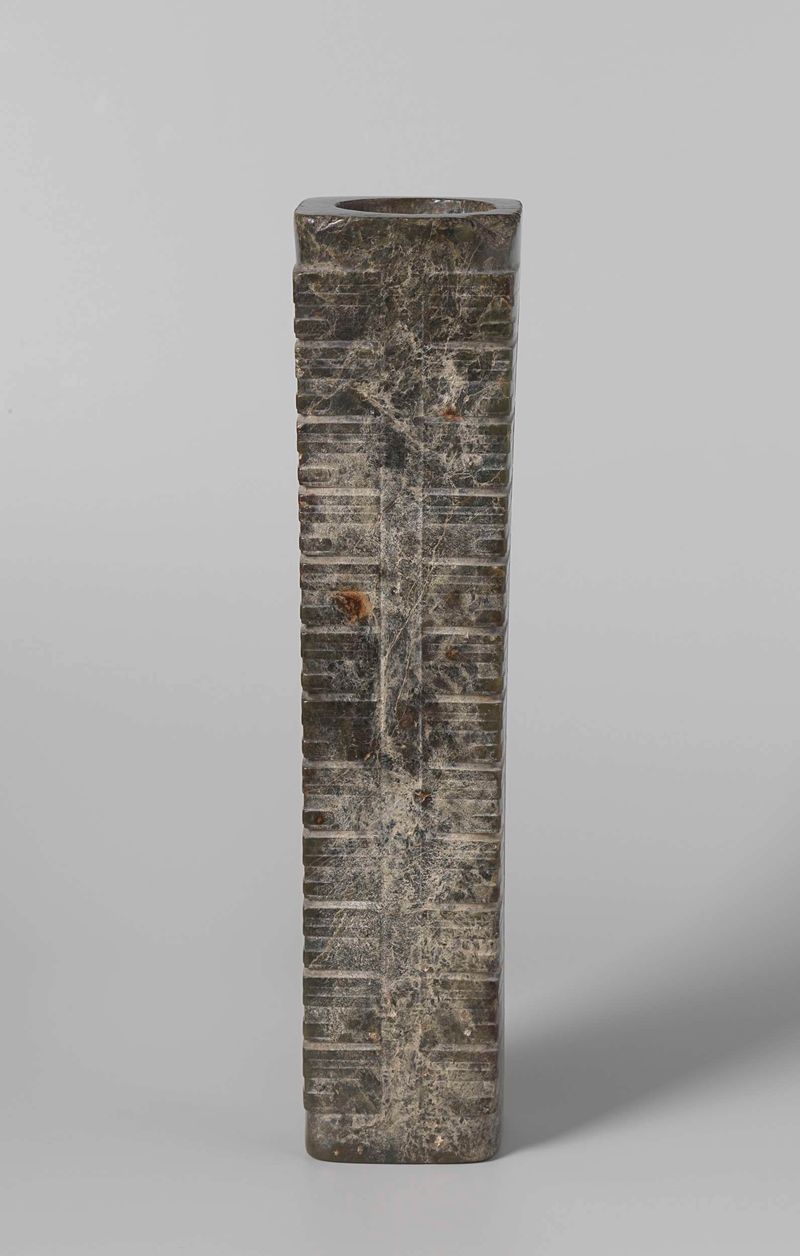
Cong
Unknown Artist
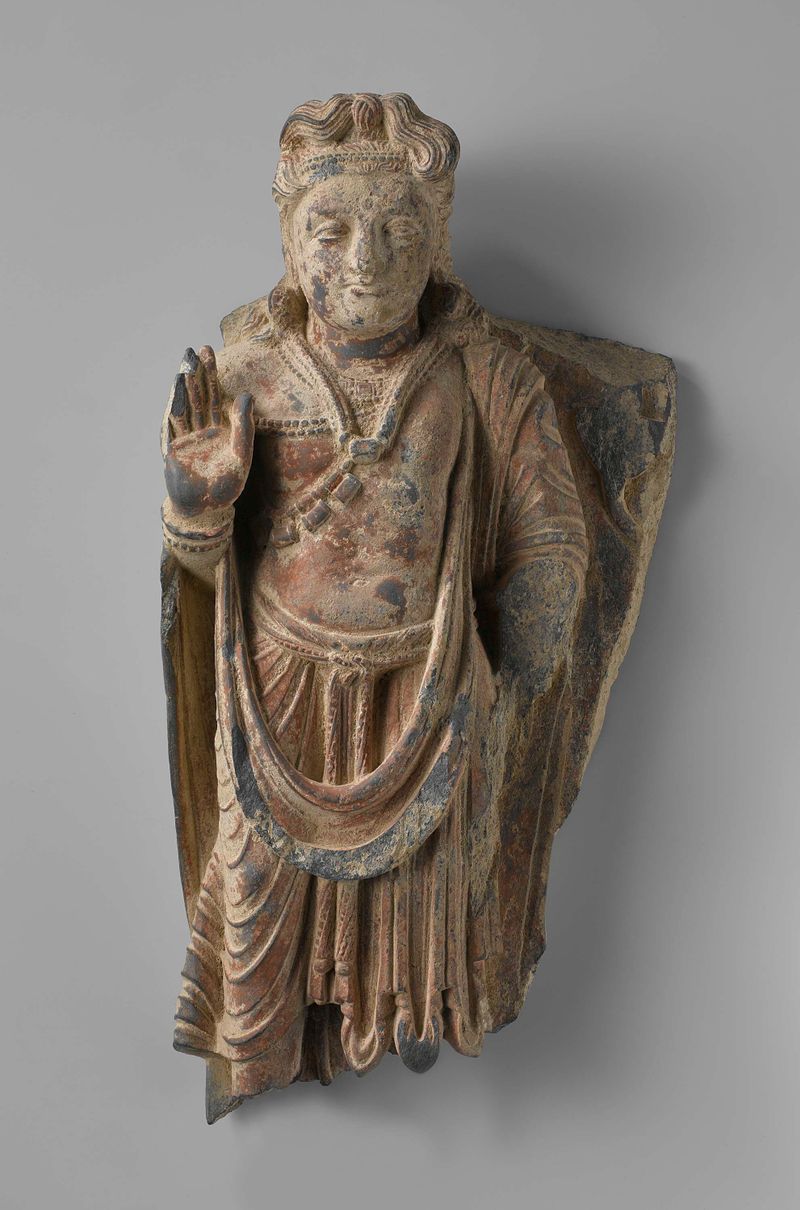
The bodhisattva Maitreya
Unknown Artist
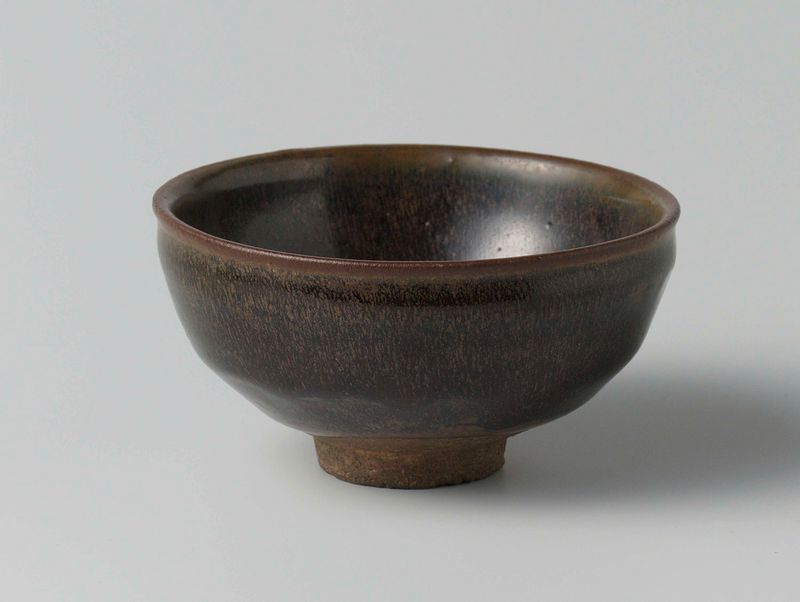
Teabowl with a 'hare's fur' glaze
Unknown Artist
More Religious Art
Browse all →
The Return of the Prodigal Son
Rembrandt van Rijn

The Garden of Earthly Delights
El Bosco

Count Orgaz’ funeral
El Greco

The Hundred Guilder Print: the central piece with Christ preaching, the plate arched
Rembrandt van Rijn

The Descent from the Cross
Rogier van der Weyden

The return of the prodigal son
Rembrandt van Rijn