
Canal in Venice, San Trovaso Quarter — History & Facts
In the stillness of twilight, a canal's surface reflects the delicate play of light and shadow, whispering secrets of love and betrayal. A serene façade belies the undercurrents of emotion lurking just beneath the surface, inviting the viewer to explore its depths. Look to the left at the crumbling façades of the buildings, where muted pastels blend with deeper shadows. Notice how the light dances on the water's edge, revealing hints of azure and the soft glow of a fading sun.
Blum’s brushwork captures the essence of Venice with a sense of intimacy, each stroke conveying both the fleeting beauty of the moment and the persistence of time. As you trace the gentle curves of the canal, the composition draws you inward, creating a sense of yearning for what lies just beyond the horizon. The juxtaposition of color and light here evokes a sense of melancholy. The tranquil scene, seemingly idyllic, hints at untold stories of betrayal and longing in this serene landscape.
The stillness of the water reflects not just the buildings but the emotions held within — an ache for connection, perhaps, or the weight of unspoken words. It is this contrast that makes the viewer pause, inviting introspection about the nature of truth hidden behind beauty. In 1885, Blum created this work while living in Venice, a city that captivated artists with its intricate canals and vibrant life. At this time, he was immersed in the Impressionist movement, which sought to capture fleeting moments and impressions of modern life.
Blum's experience in Venice not only influenced his artistic style but also reflected a broader exploration of color and emotion, resonating with the complexities of human relationships.
More Artworks by Robert Frederick Blum
Browse all →
A Street In Ikao, Japan II
Robert Frederick Blum
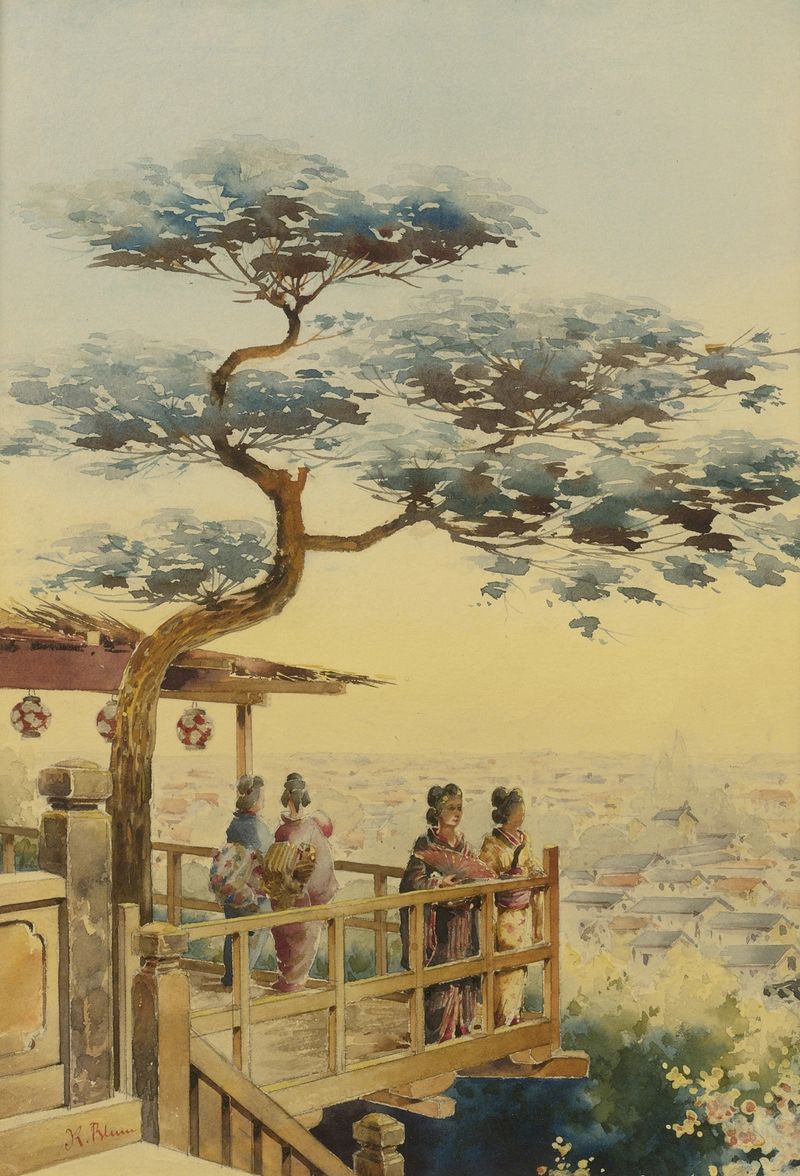
Yeddo, Japan
Robert Frederick Blum

Spring Landscape
Robert Frederick Blum

A Street In Ikao, Japan, III
Robert Frederick Blum
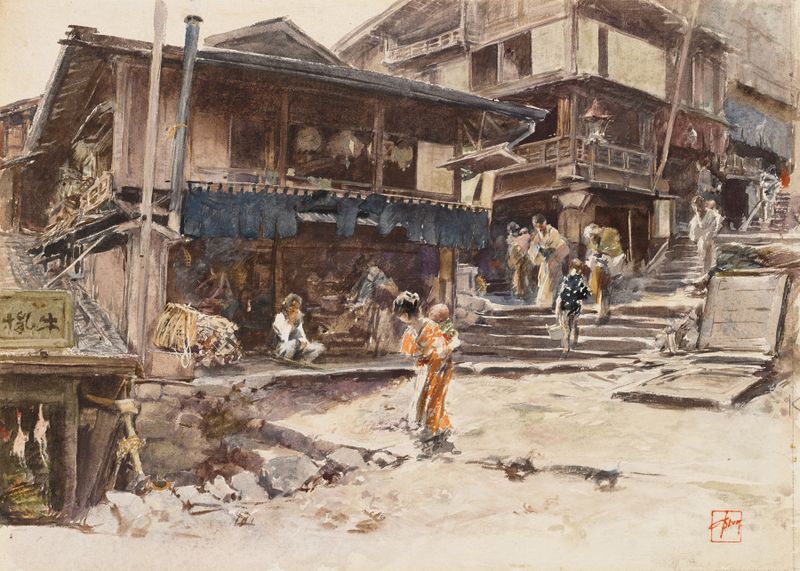
A Street In Ikao, Japan
Robert Frederick Blum

Street Scene in Ikao, Japan
Robert Frederick Blum
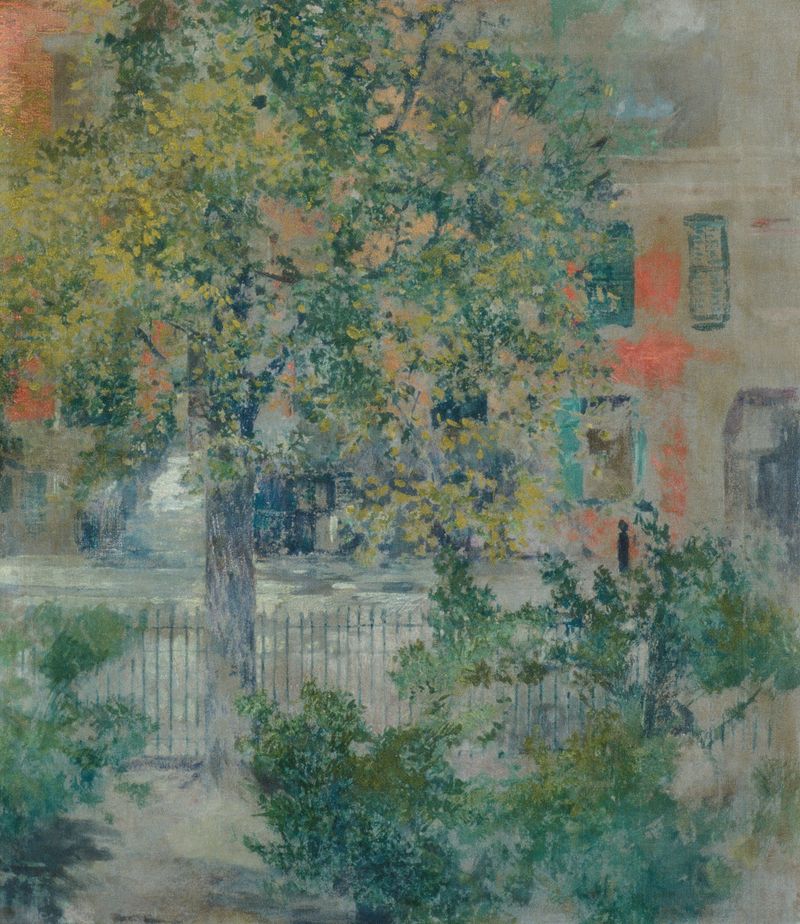
View from the Artist’s Window, Grove Street
Robert Frederick Blum

At The Marketplace
Robert Frederick Blum

At Work Heaping Brush On Smouldering Fires
Robert Frederick Blum





