
Canal In Venice With View Of The Back Of The Palazzo Rocca — History & Facts
When did color learn to lie? In a world where decay and beauty intertwine, the vibrant hues of a painting often mask the whispers of time's relentless passage. Look closely at the luminescent water, where shades of teal and cerulean seem to dance beneath the surface. The brushstrokes, lively yet deliberate, guide your gaze towards the Palazzo Rocca, its weathered facade reflecting the delicate interplay of light and shadow. Notice the rich oranges and browns that define the brickwork, each hue suggesting stories of grandeur now faded into memory. Yet, amid this picturesque scene, a deeper tension lurks.
The soft ripples on the water’s edge evoke a sense of fleeting beauty, while the crumbling edges of the palazzo remind us of inevitable decay. Each element plays a role in this visual narrative—where the vibrant life of the canal contrasts sharply with the somber reality of aging architecture. This duality invites contemplation on the transient nature of beauty and existence itself. During the late 19th century, Brandeis painted this scene of Venice, a city steeped in romantic allure yet grappling with the effects of time.
Immersed in the burgeoning art scene, she sought to capture the essence of her surroundings amidst a world captivated by impressionism. In this moment, she harmonized her love for landscape with the poignant acknowledgment of decay, creating an enduring testament to both beauty and the passage of time.
More Artworks by Antonietta Brandeis
Browse all →
St Mark’s, Venice
Antonietta Brandeis

Venice, a View of Ponte de la Calcina on Rio di San Vio
Antonietta Brandeis
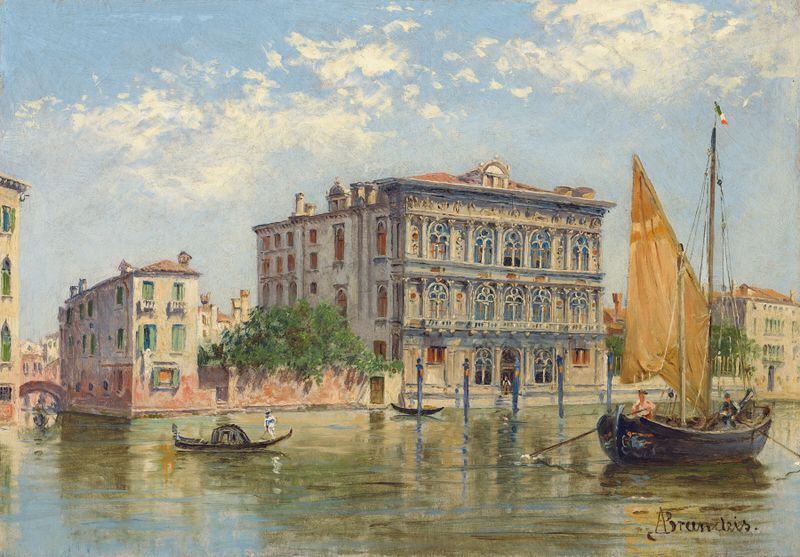
Ca’ Vendramin Calergi from the Grand Canal, Venice
Antonietta Brandeis
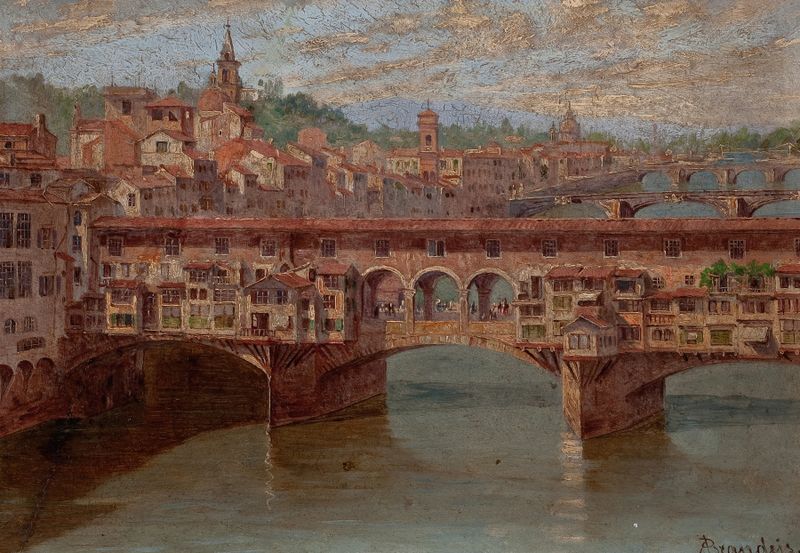
Ponte Vecchio, Florence
Antonietta Brandeis

The Grand Canal, Venice
Antonietta Brandeis
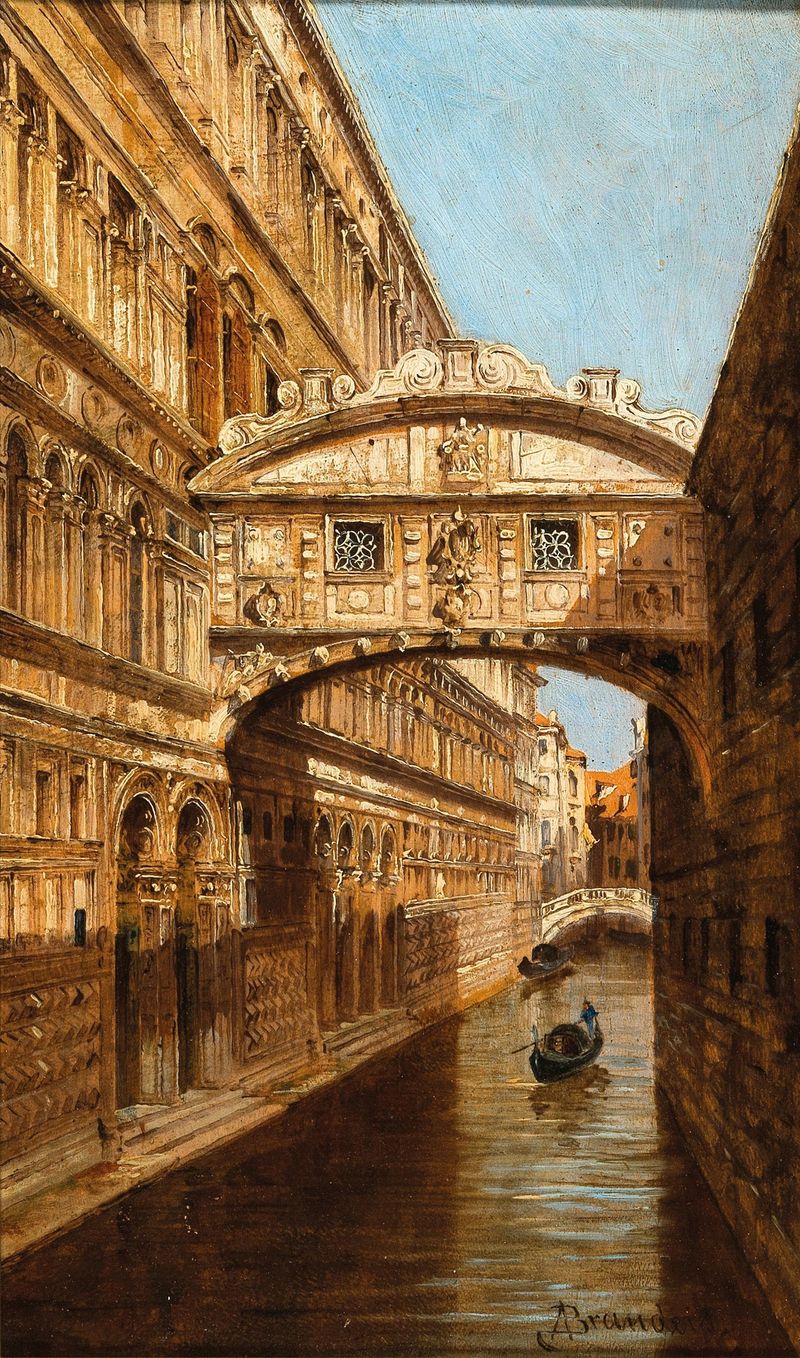
Venice, Le ponte dei Sospiri, Venezia
Antonietta Brandeis
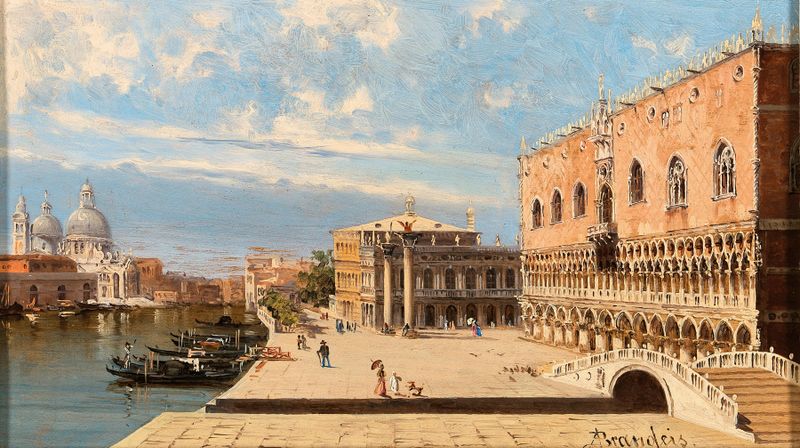
Il Palazzo Ducale Venezia
Antonietta Brandeis
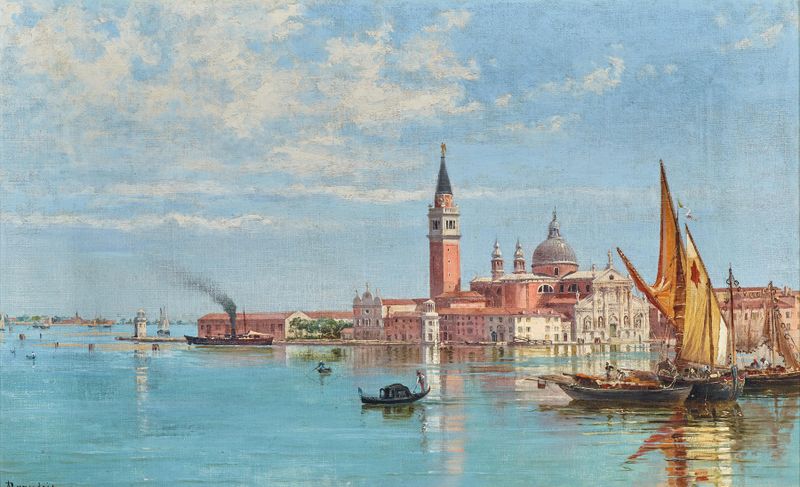
Venice, a View of San Giorgio Maggiore
Antonietta Brandeis
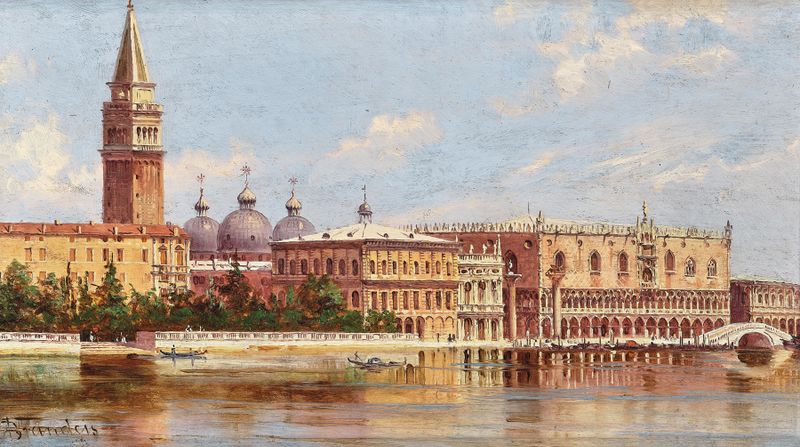
Venice, a View of the Bacino di San Marco
Antonietta Brandeis
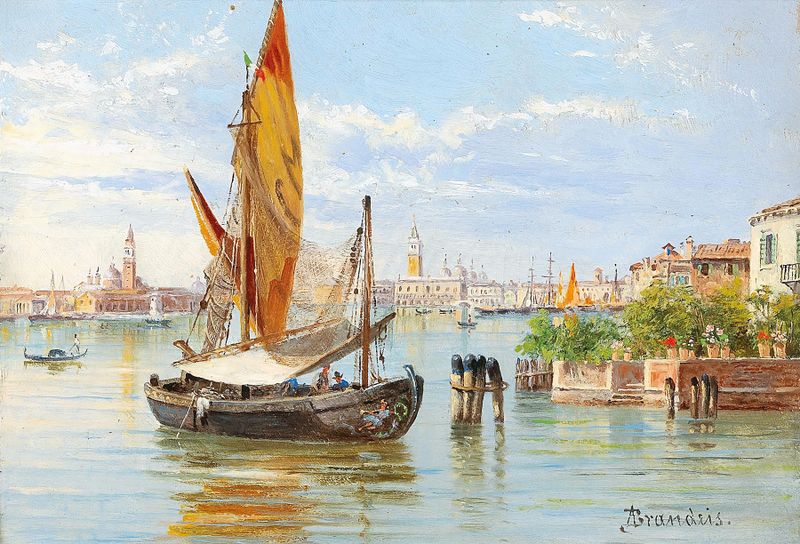
Barche De Pesche, Venezia
Antonietta Brandeis





