
Capitol in Winter — History & Facts
When did color learn to lie? In Capitol in Winter, a narrative unfolds that speaks to the deep obsession with the transforming power of nature and architecture. Focus on the cool palette that envelops the majestic Capitol building, contrasting harsh, icy blues with soft, inviting whites. The snow-draped dome stands regal and resolute, surrounded by skeletal trees that weave a delicate dance against the chilled air. The horizon, kissed by a muted light, creates a sense of time suspended, urging the viewer to contemplate the stillness enveloping this iconic structure.
Notice how the brushstrokes capture the texture of the snow, transforming the mundane into a tactile experience—each mark an invitation to touch the frozen air. Yet, within this serene landscape lies an emotional tension. The choice of colors creates a paradox; while winter embodies stillness, it also evokes a sense of longing and melancholy. The Capitol, a symbol of democracy, stands alone in the desolation of winter—a reminder of resilience amidst the cold grip of introspection.
These elements are not mere representations but reflections of an obsession with permanence, as the architectural beauty simultaneously hints at fragility, caught in the relentless passage of time. Bertha Jaques created this work during a time when American artists were pursuing a newfound appreciation for the landscape genre, influenced by both realism and impressionism. While the exact date of Capitol in Winter is unknown, her career flourished in the early 20th century, a period marked by significant shifts in artistic expression and societal change. Jaques' work often intertwined natural beauty with a deep philosophical exploration, positioning her as a key figure in the evolution of American art during this transformative era.
More Artworks by Bertha Jaques
Browse all →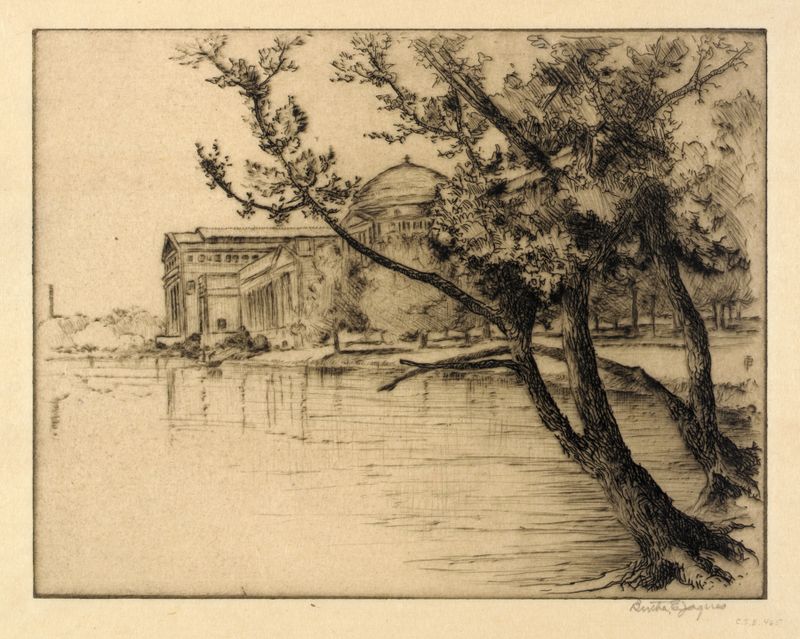
Fine Arts Building, Looking West
Bertha Jaques

Columns, Roman Forum
Bertha Jaques

Tower Bridge, Thames, London
Bertha Jaques

Fine Arts Building, Chicago (Facade, West)
Bertha Jaques
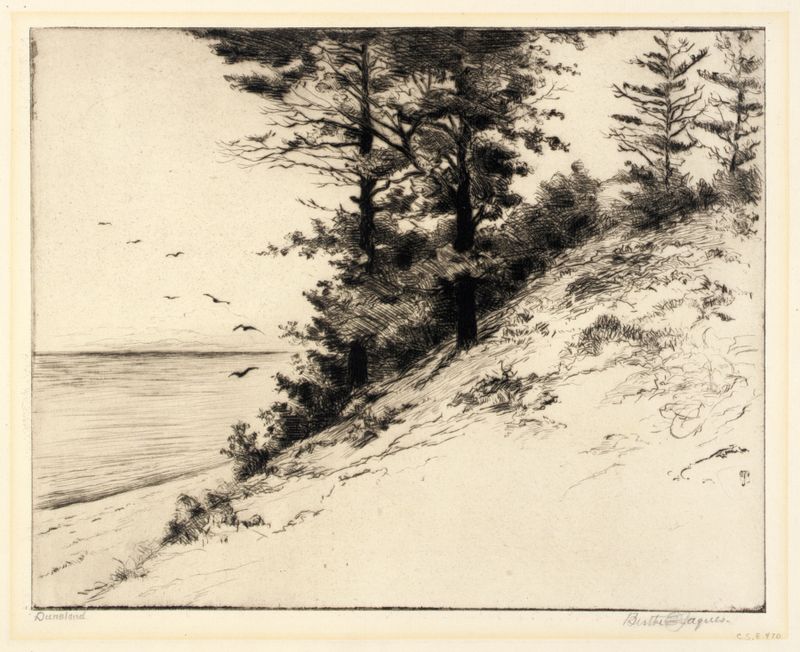
Duneland
Bertha Jaques
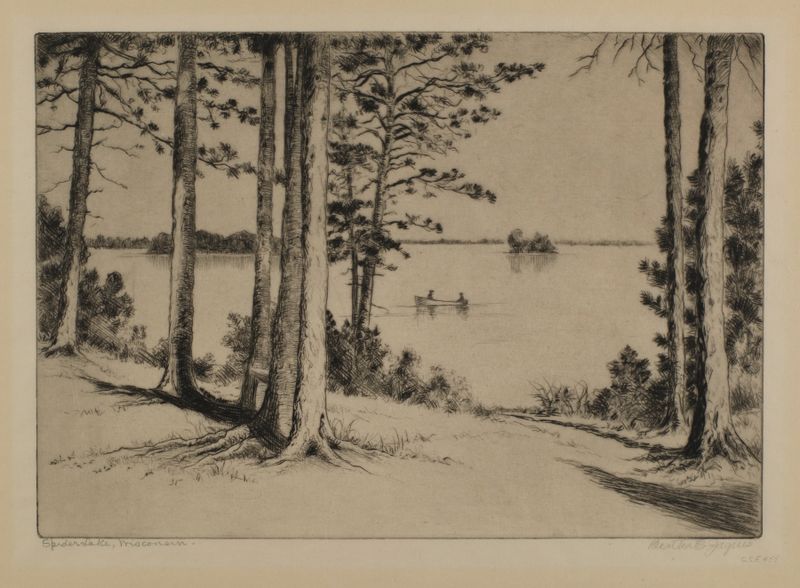
Spider Lake, Wisconsin
Bertha Jaques
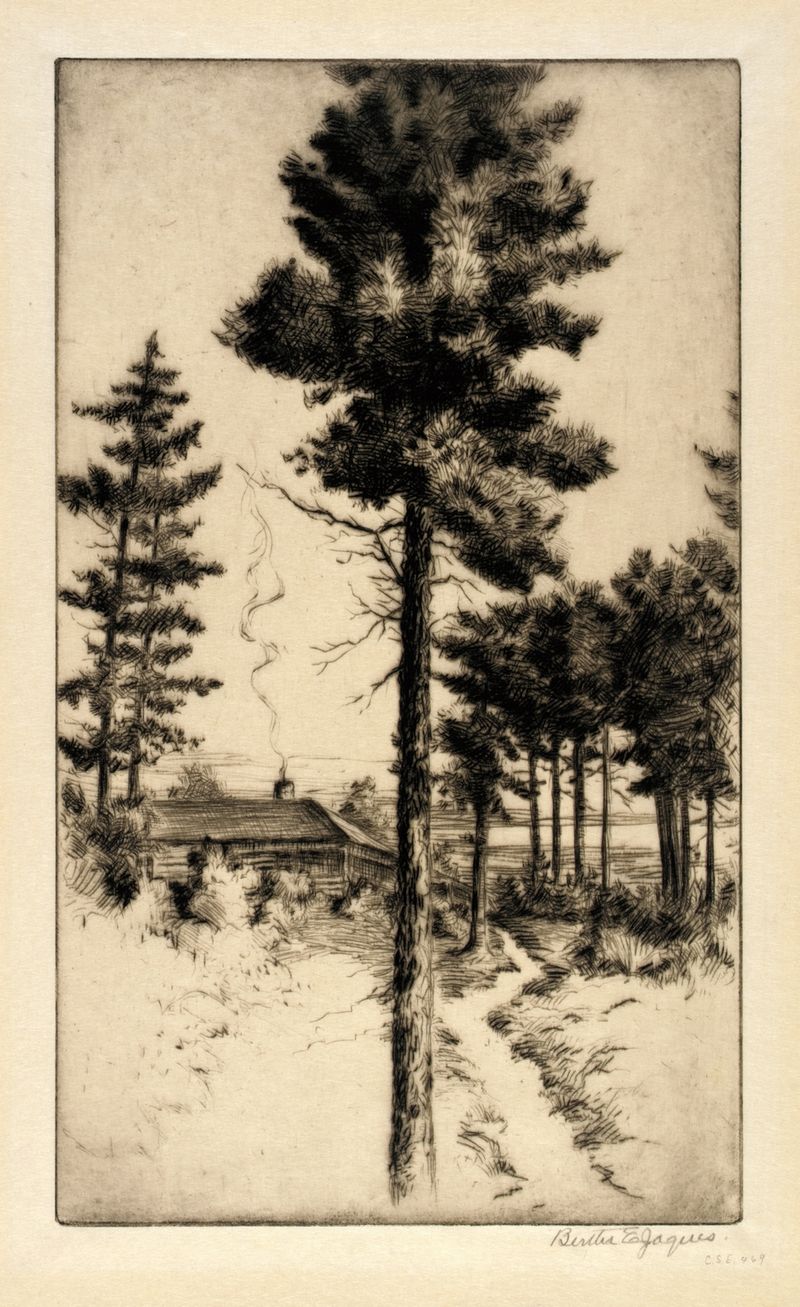
Cabin in Wilderness
Bertha Jaques
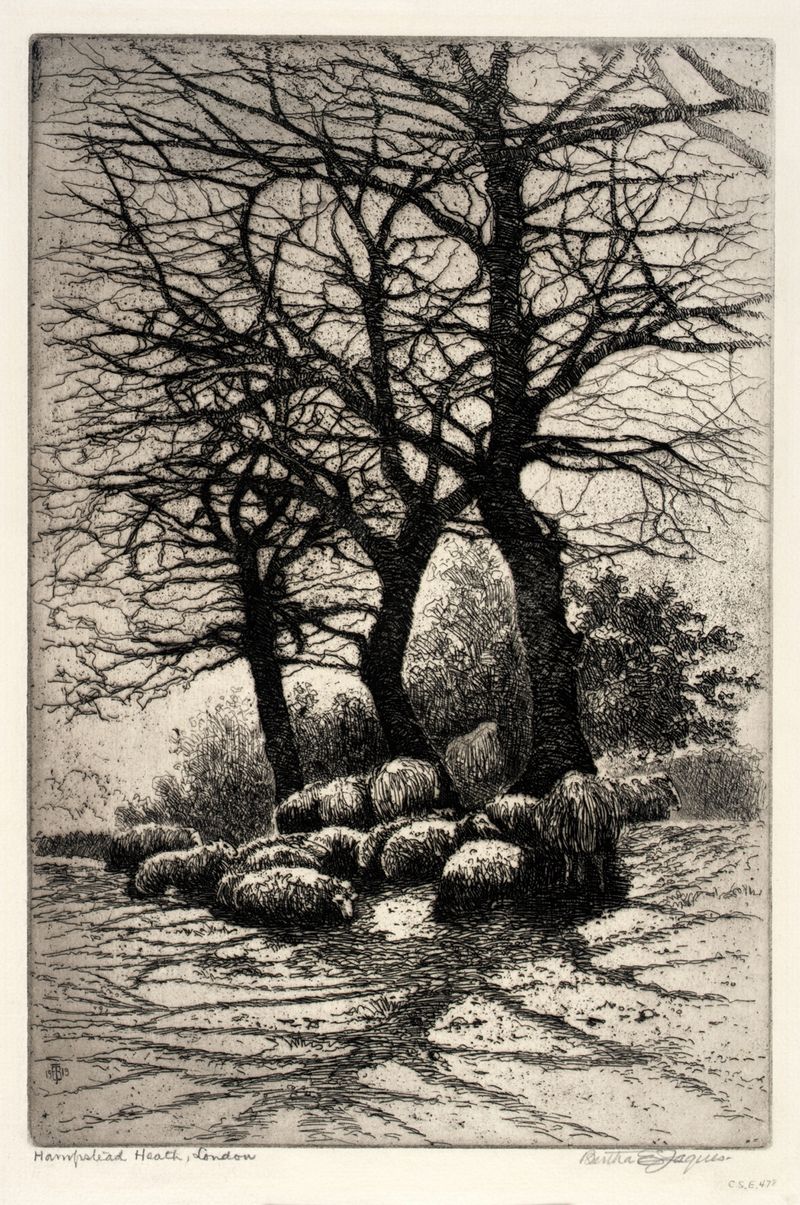
Hampstead Heath, London
Bertha Jaques
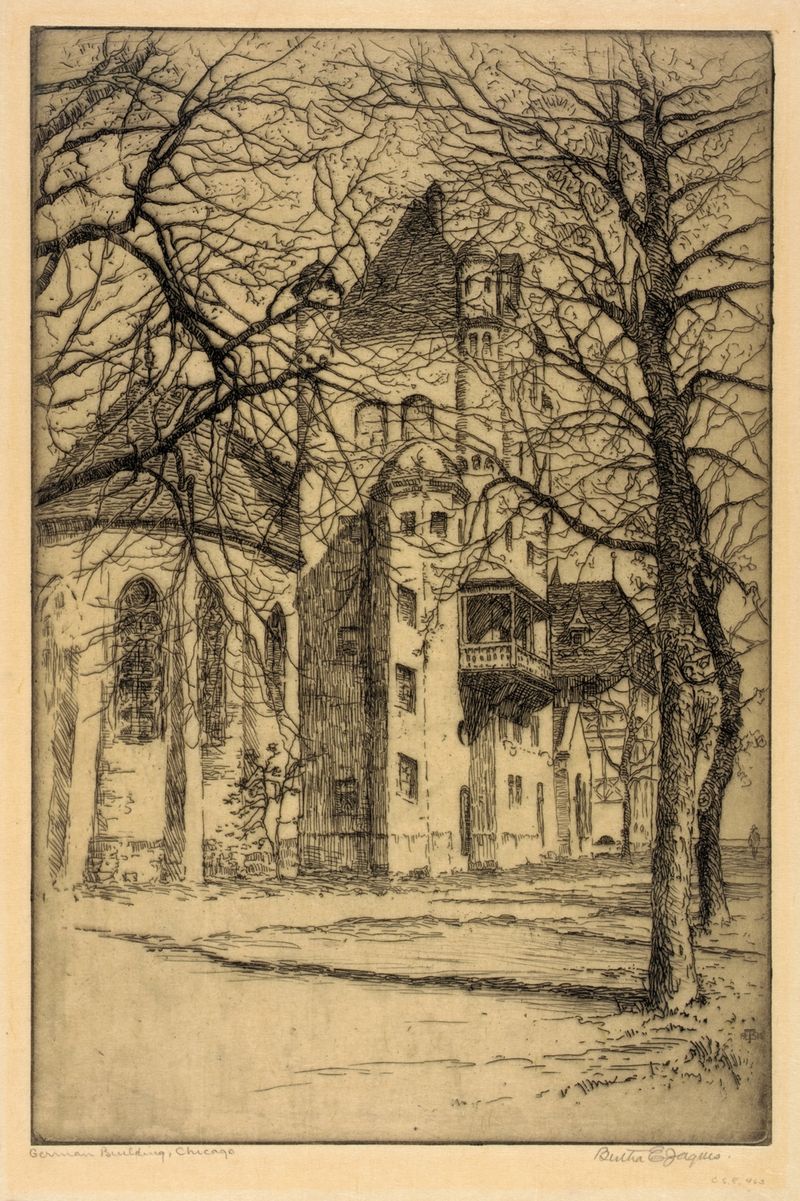
German Building, Chicago
Bertha Jaques

Roman Forum
Bertha Jaques
More Architecture Art
Browse all →
The statue of Liberty
Frédéric Auguste Bartholdi

View of Houses in Delft, Known as ‘The Little Street’
Johannes Vermeer

View of Houses in Delft, Known as ‘The Little Street’
Johannes Vermeer

The Cathedral in Rouen. The portal, Grey Weather
Claude Monet

The yellow house
Vincent van Gogh

The Church in Auvers-sur-Oise, View from the Chevet
Vincent van Gogh