
Capri — History & Facts
In the quiet expanse of Capri, a void breathes between the vibrant colors, suggesting a world both filled and emptied. The painting draws one in, inviting contemplation of what is lost, what is cherished, and the echoes of existence that linger in the heart. Look to the bright azure sky that embraces the viewer; it infuses the canvas with a sense of openness and possibility. Notice how the golden sunlight spills across the serene landscape, casting gentle shadows that dance on the cliffs.
The interplay of light and color—rich greens, deep blues, and warm earth tones—creates a harmonious balance, revealing Diefenbach's masterful technique and his connection to nature. Yet beneath this picturesque scene lies an emotional depth. The void is palpable, a subtle reminder of transience and the passage of time. The viewer may detect a longing within the tranquil beauty, a contrast between the vibrancy of life and the stillness of absence.
It is through these juxtaposed sensations that one can explore themes of memory and the ephemeral nature of beauty. Karl Wilhelm Diefenbach painted Capri during a period marked by both personal and artistic exploration. Working in the late 19th century, he was part of a movement that sought to bridge the gap between nature and spirituality. During this time, he was deeply engaged with themes of harmony and transcendence, reflecting a yearning for simplicity in an increasingly complex world.
More Artworks by Karl Wilhelm Diefenbach
Browse all →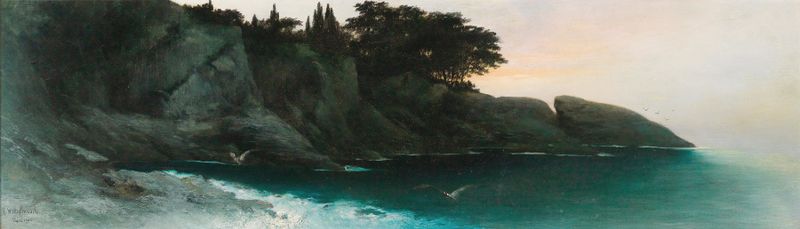
Capri
Karl Wilhelm Diefenbach

Capri
Karl Wilhelm Diefenbach
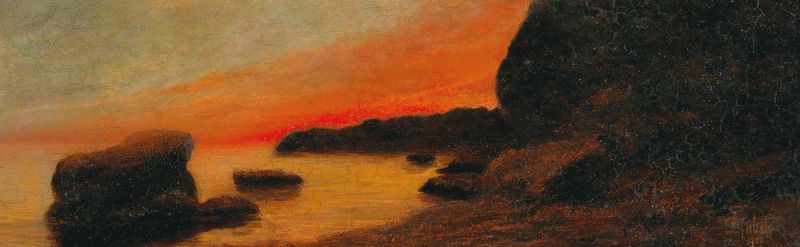
Sunset on the coast of Capri
Karl Wilhelm Diefenbach
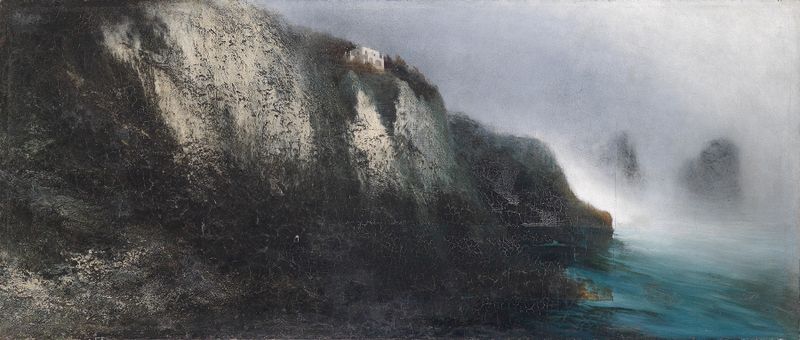
Caprilandschaft
Karl Wilhelm Diefenbach
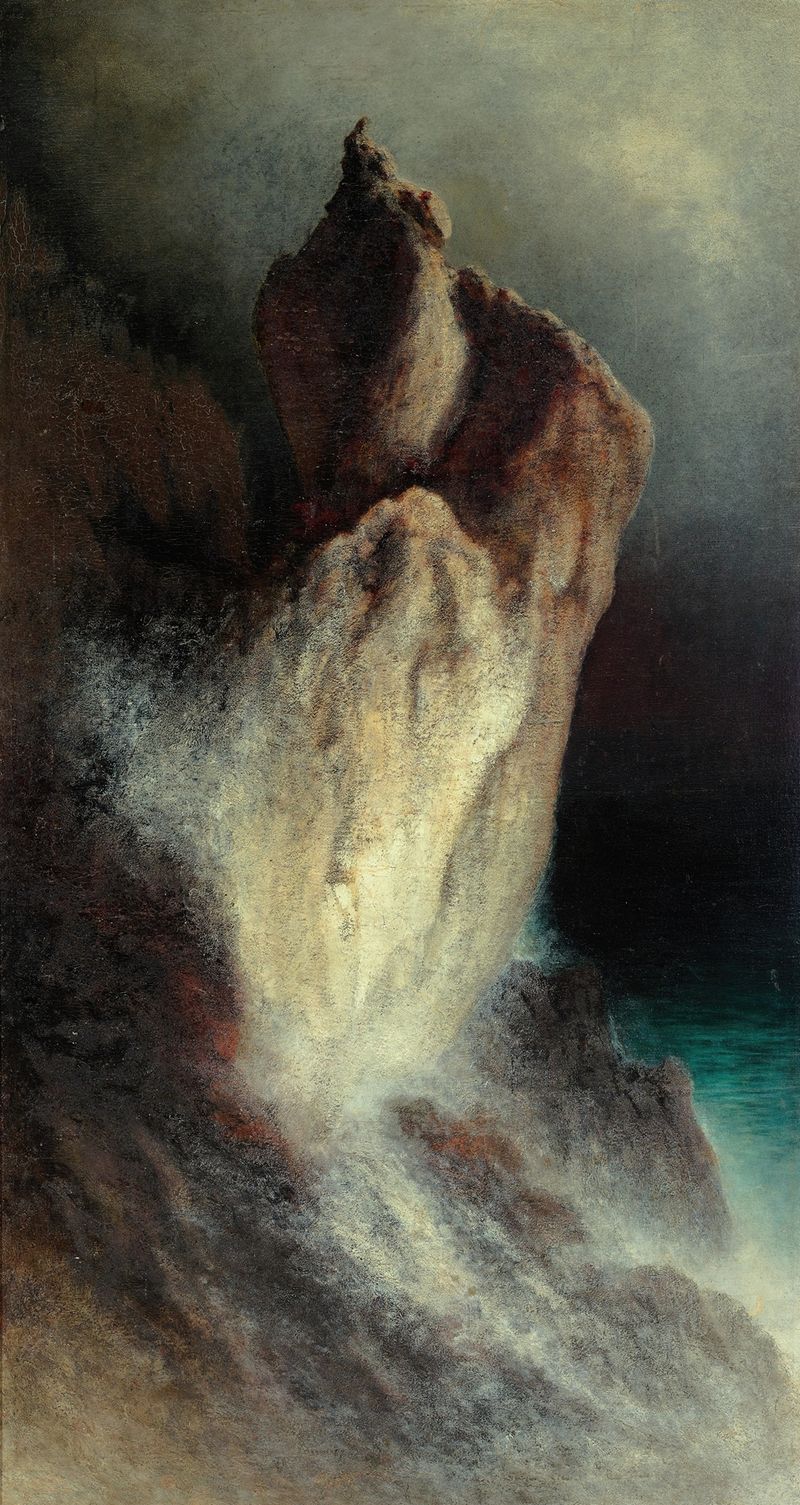
Pizzolungo, Capri
Karl Wilhelm Diefenbach
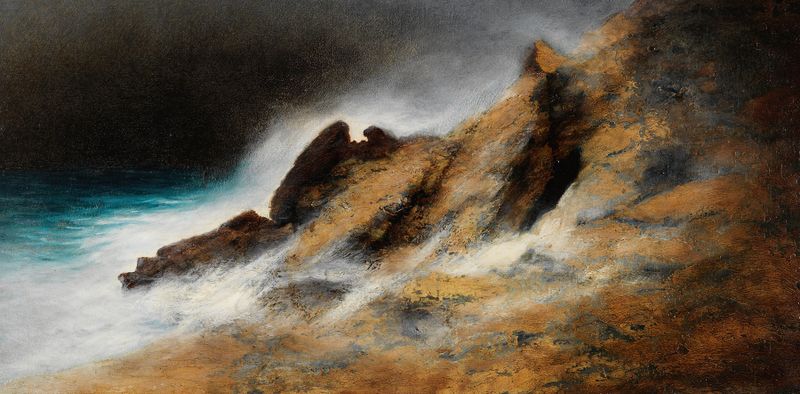
Stürmische Meeresbucht
Karl Wilhelm Diefenbach
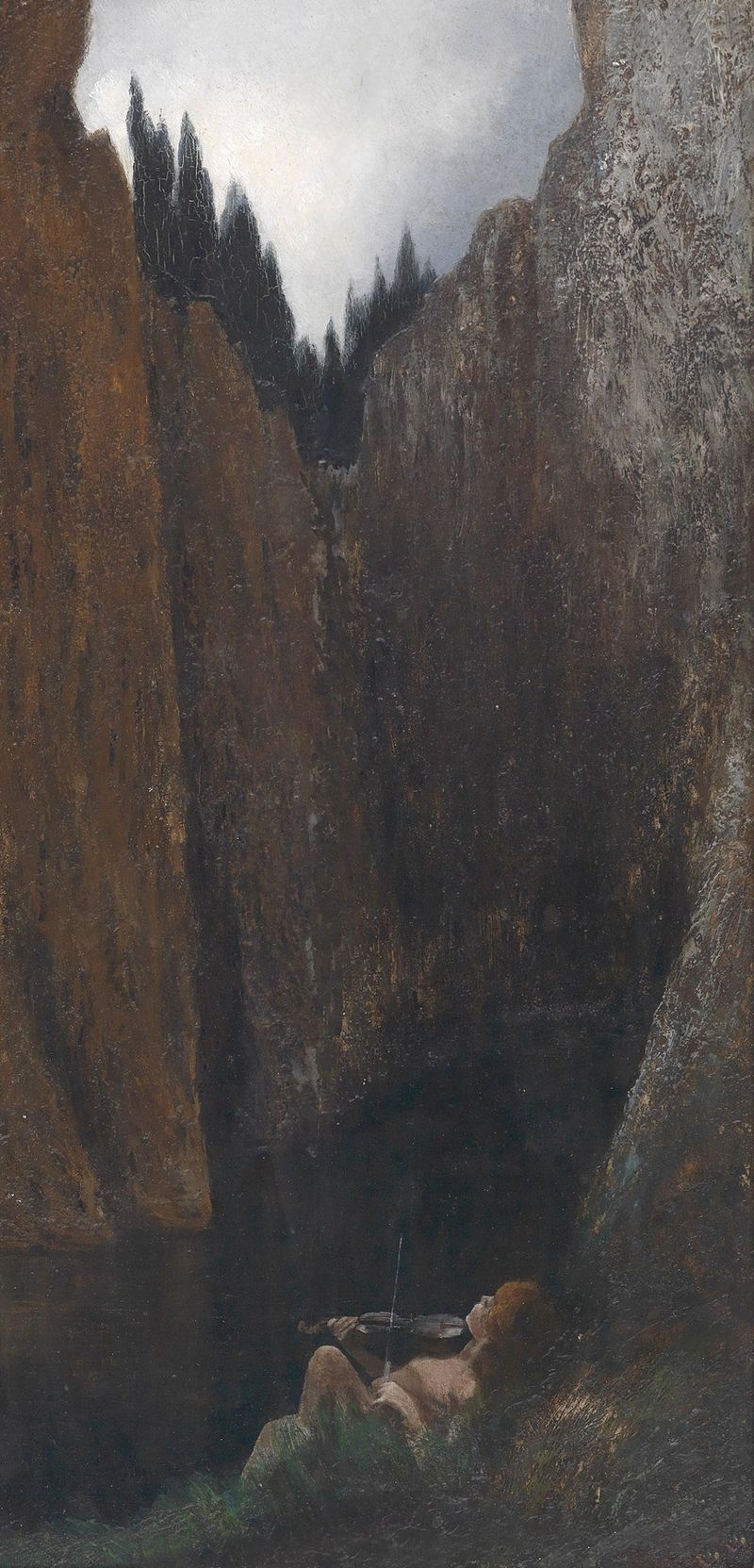
Geige spielender Knabe
Karl Wilhelm Diefenbach
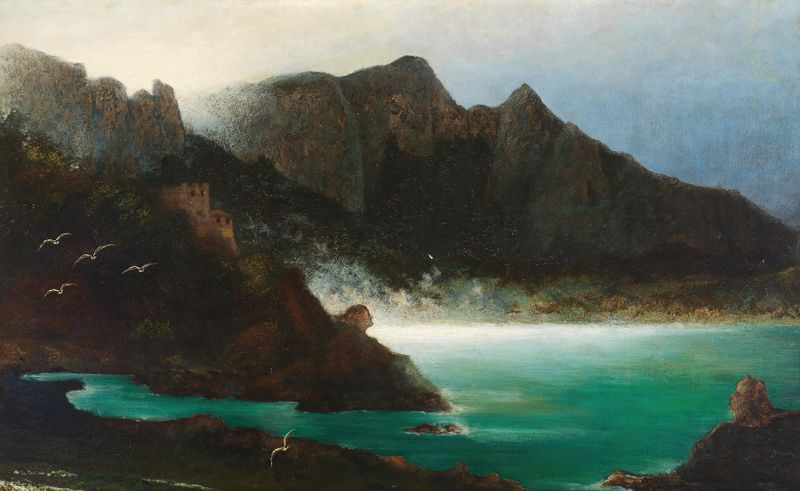
Solitude
Karl Wilhelm Diefenbach
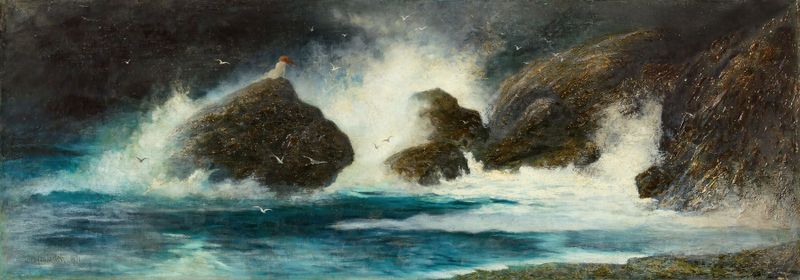
Stürmische Seelandschaft
Karl Wilhelm Diefenbach

Sturm an der Küste
Karl Wilhelm Diefenbach





