
Carle Vernet — History & Facts
In Carle Vernet, the viewer sees a striking portrait of the artist's father, Carle Vernet. The painting features rich colors, with deep browns and warm tones that highlight the subject's features. Carle is depicted in a three-quarter pose, wearing a dark coat and a white cravat.
The background is softly blurred, drawing attention to the figure in the foreground. The painting is executed in oil on canvas, a common medium for portraiture in the 19th century. The brushwork is detailed, particularly in the rendering of the face and clothing, showcasing the artist's skill. The dimensions are approximately 60 x 80 cm, making it a medium-sized portrait.
The use of light and shadow adds depth to the composition. Horace Vernet, the artist, was known for his historical and military paintings, but this work reflects a personal connection to his family. Painted in the 1820s, it captures the likeness of Carle Vernet, a prominent painter himself. An interesting fact about this work is that it illustrates the close bond between father and son, as well as the artistic legacy passed down through generations.
More Artworks by Horace Vernet
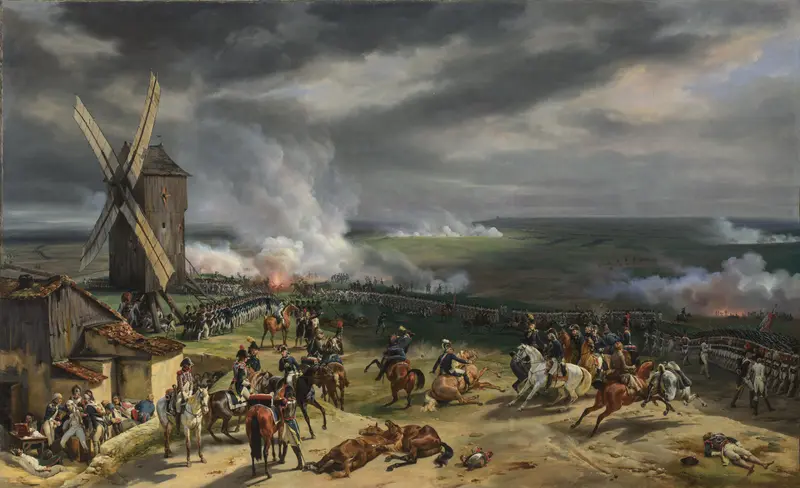
The Battle of Valmy
Horace Vernet

African War – Battle of Isly won against the Moroccans (August 13, 1844)
Horace Vernet
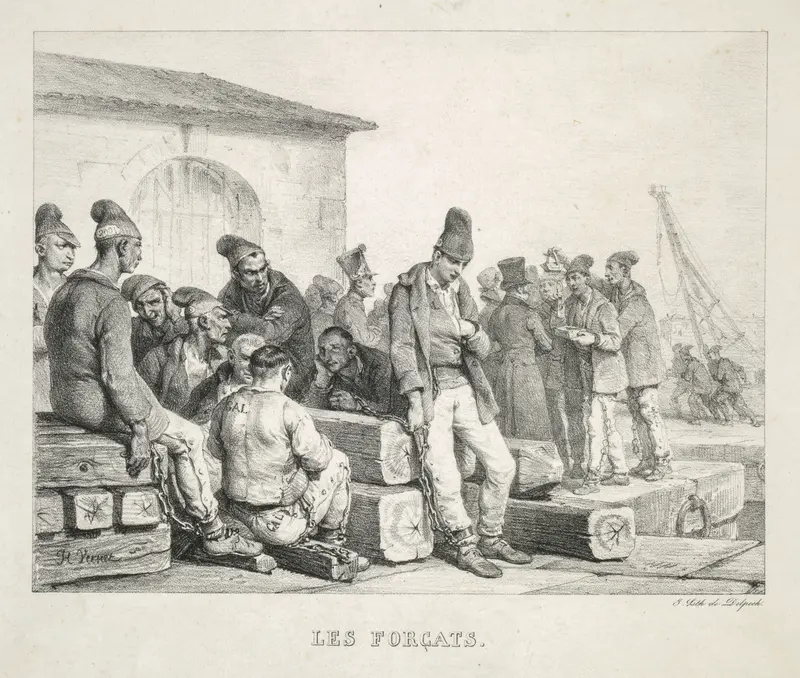
The Convicts
Horace Vernet
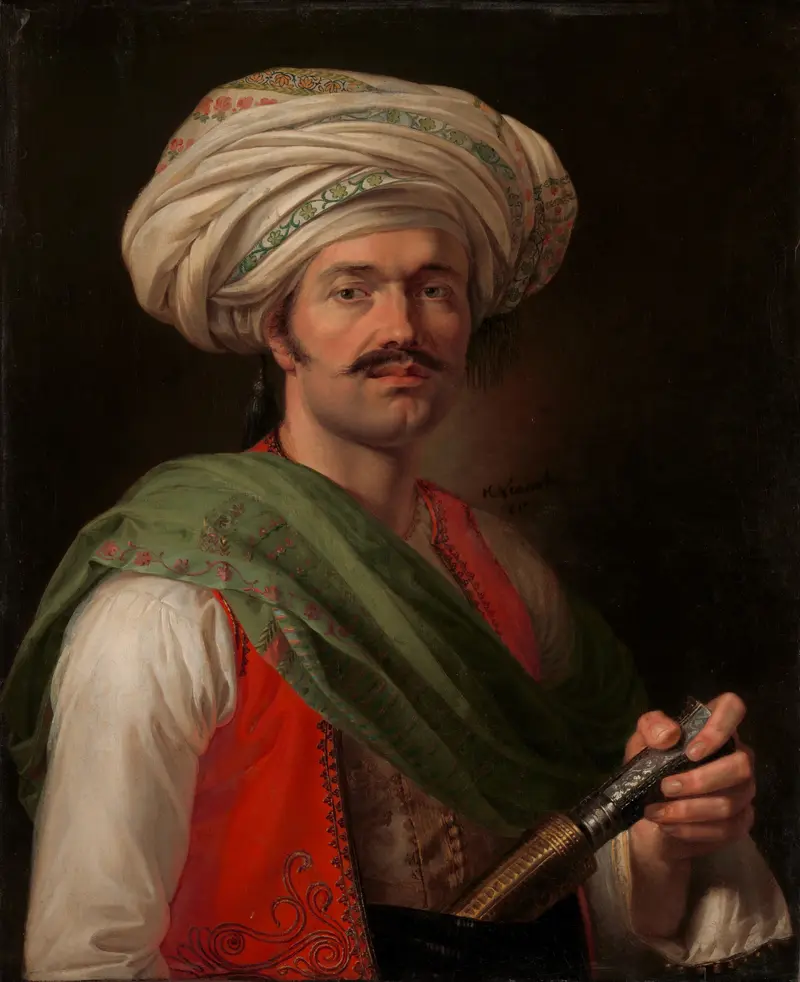
Portrait of a Mameluke. Said to Be Roustam Raza
Horace Vernet
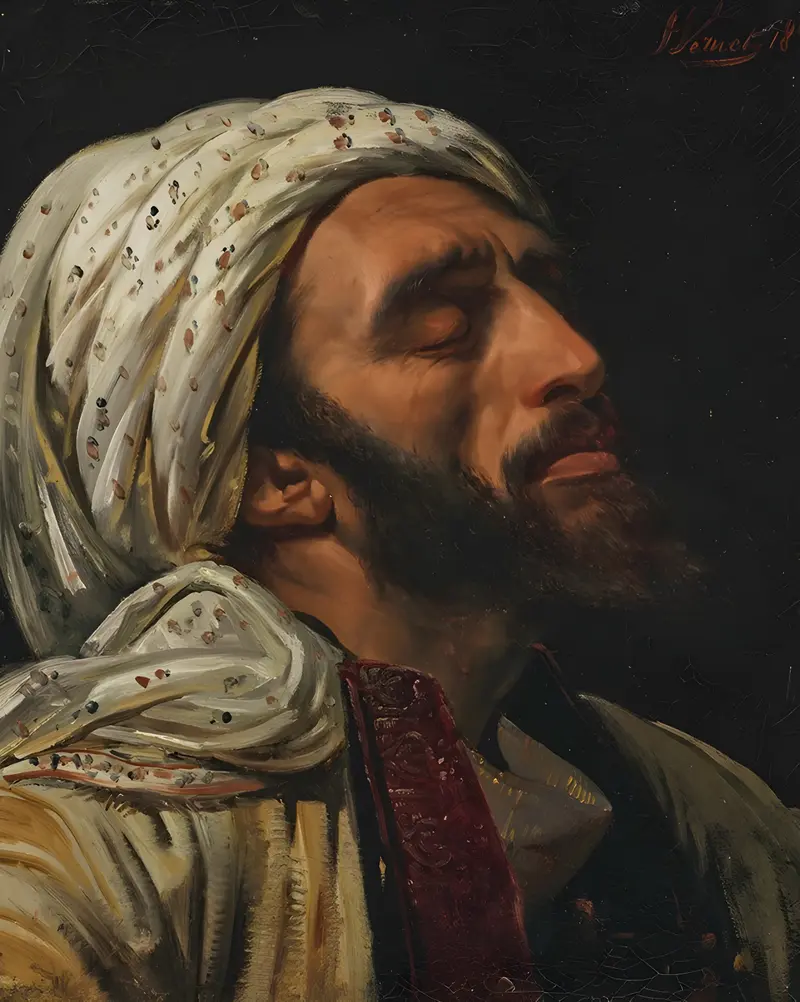
Portrait of an Arab man
Horace Vernet
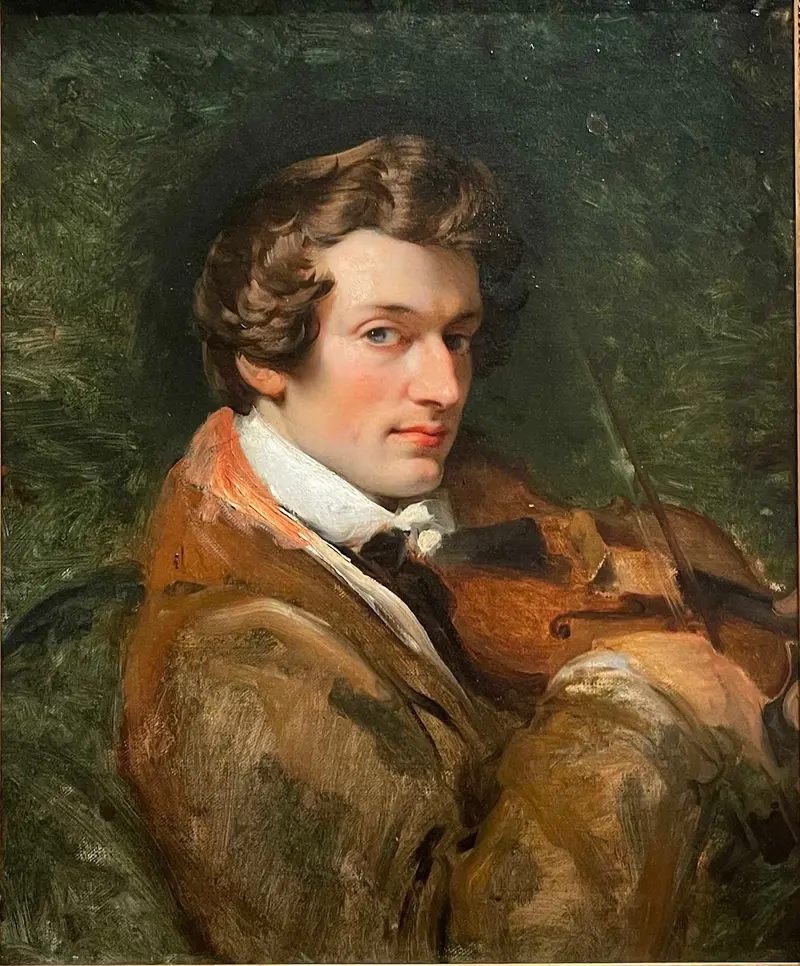
Portrait of Charles Auguste de Bériot
Horace Vernet
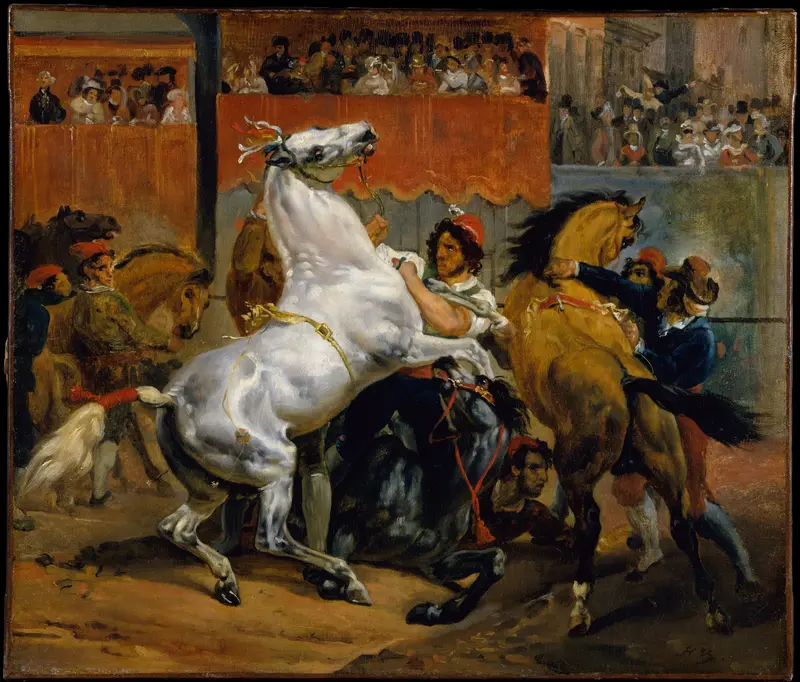
The Start of the Race of the Riderless Horses
Horace Vernet
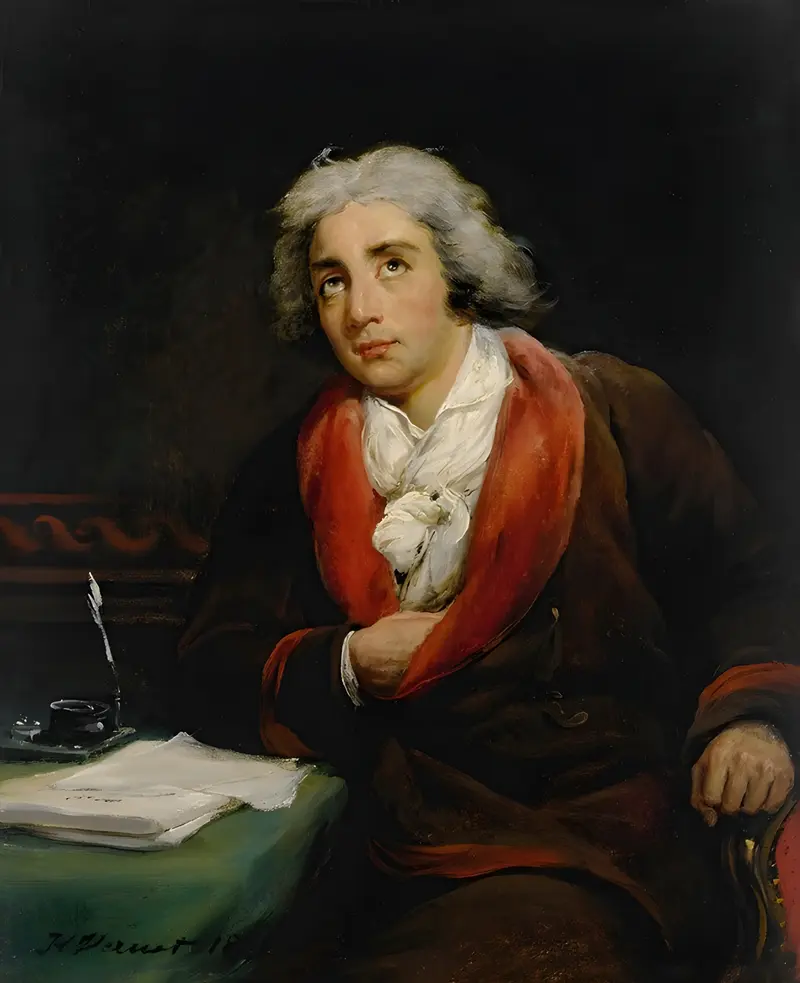
Portrait of the poet André Chénier (1762-1794)
Horace Vernet
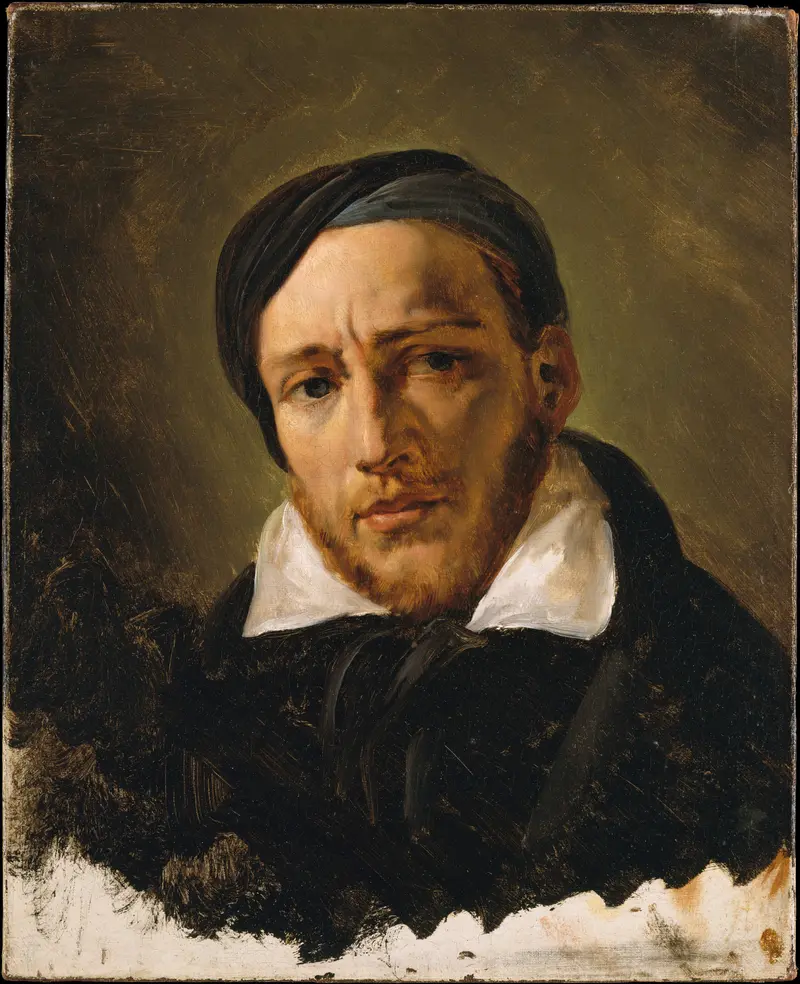
Jean-Louis-André-Théodore Gericault (1791–1824)
Horace Vernet
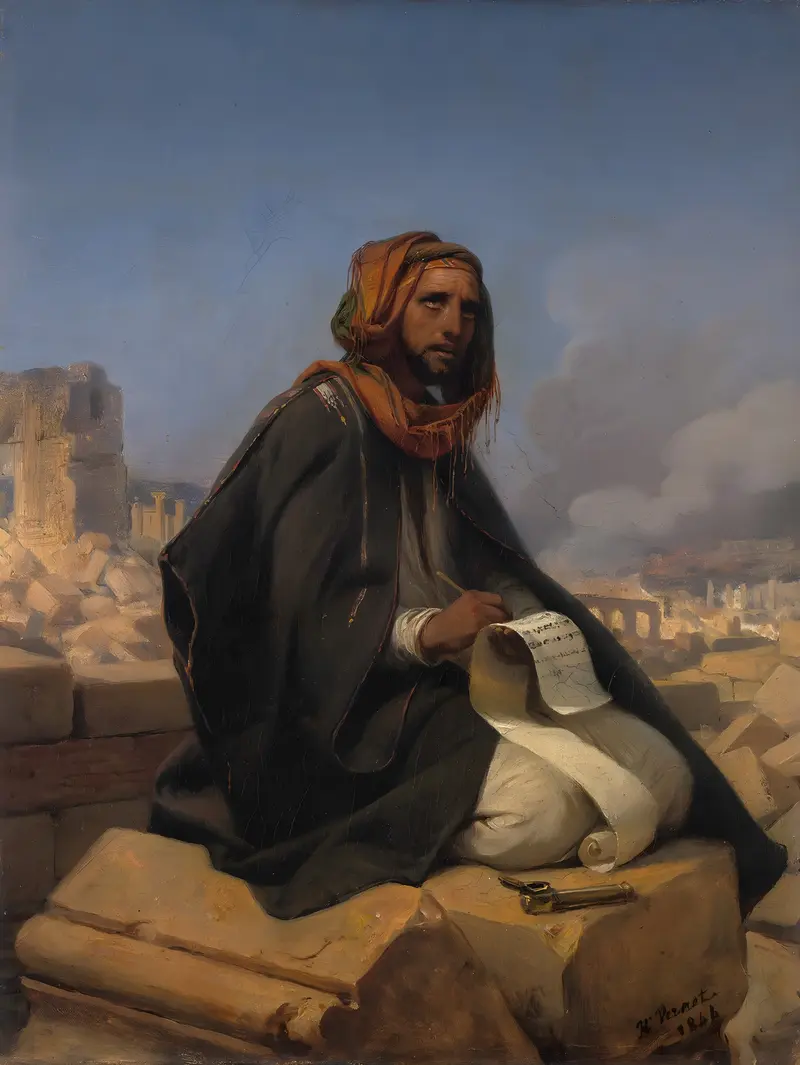
Jeremiah on the ruins of Jerusalem
Horace Vernet





