Carnglaze St. — History & Facts
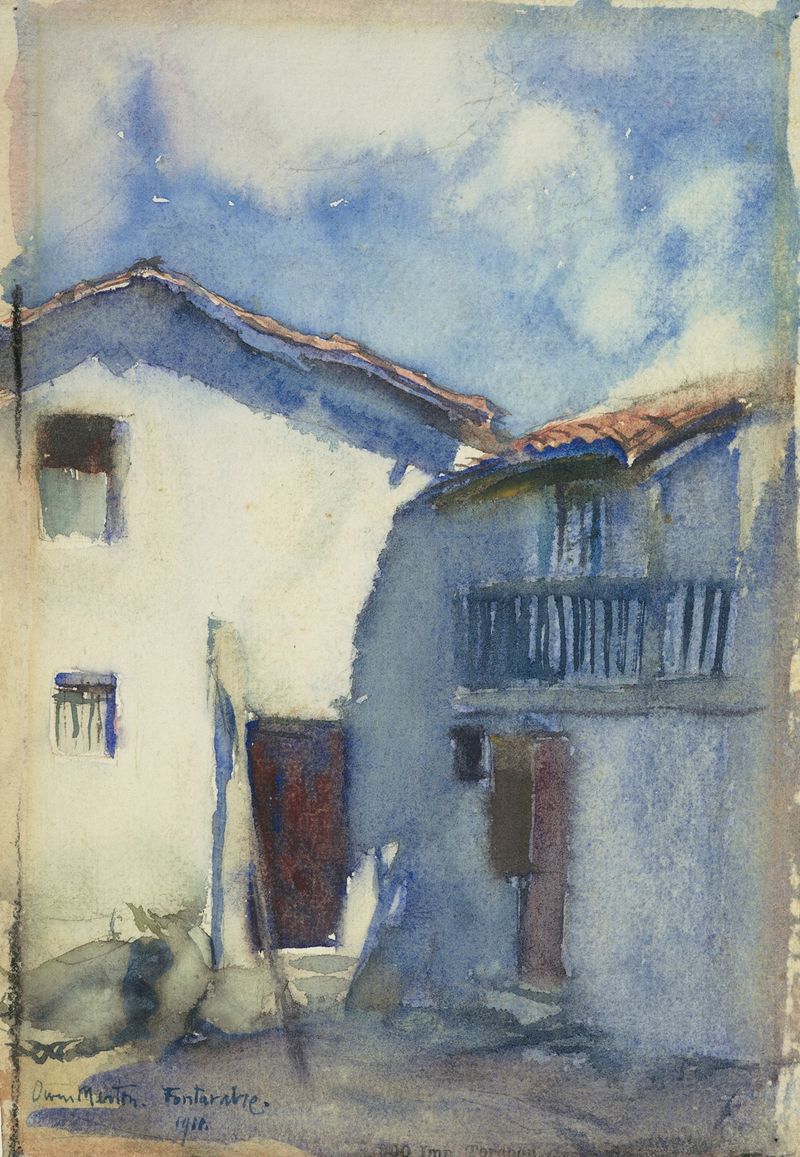
When did color learn to lie? In the echoing silence of Carnglaze St., a world is cloaked in questions, shadows, and a sense of yearning for what lies beneath the surface. Focus first on the undulating blues and greens that comprise the winding street, drawing you deeper into a dreamlike atmosphere. Notice how the light flickers across the cobblestones, dancing playfully yet hinting at an underlying melancholy. The trees, though vibrant, seem to lean away from the viewer, as if guarding secrets whispered only among themselves.
Each brushstroke, so deliberate, creates an ambiguous embrace between reality and illusion, inviting contemplation of what remains unseen. In this artwork, contrasts abound: the vibrancy of nature juxtaposed with the hollow geometry of the buildings. The scene seems alive, yet it pulsates with a void, stirring a sense of absence. What stories do the silhouettes hold? The tension between joy and sorrow floats through the colors—here, life is a masquerade, where the surface gleams while the depths remain shrouded in mystery. Owen Merton painted Carnglaze St. in 1910 while living in Newlyn, Cornwall, a hub for artists inspired by the region's unique light and landscape.
This period was marked by a growing interest in modernism and a departure from traditional realism. Merton's exploration of color and form reflected broader artistic movements, as he sought to capture the essence of place and emotion amidst a changing world.