Carthage — History & Facts
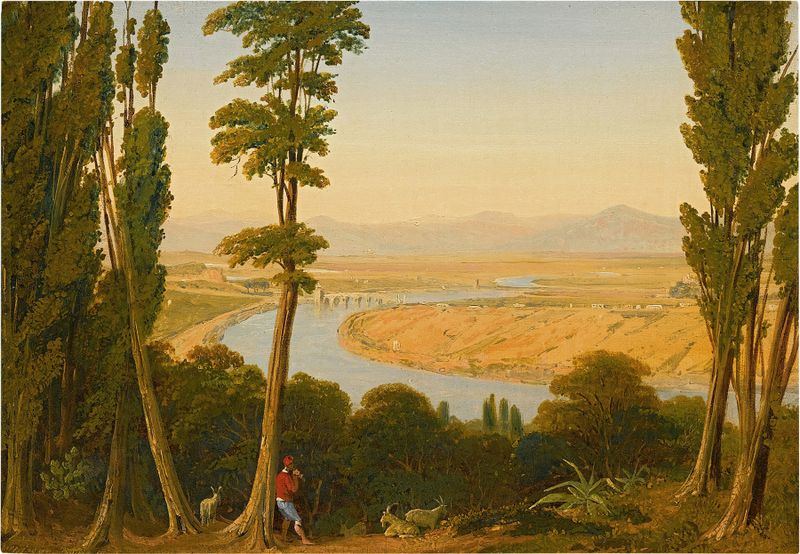
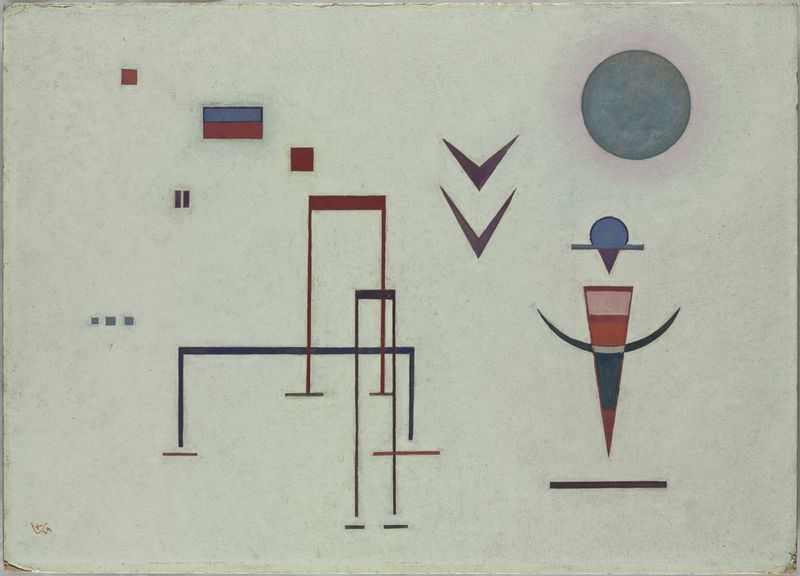
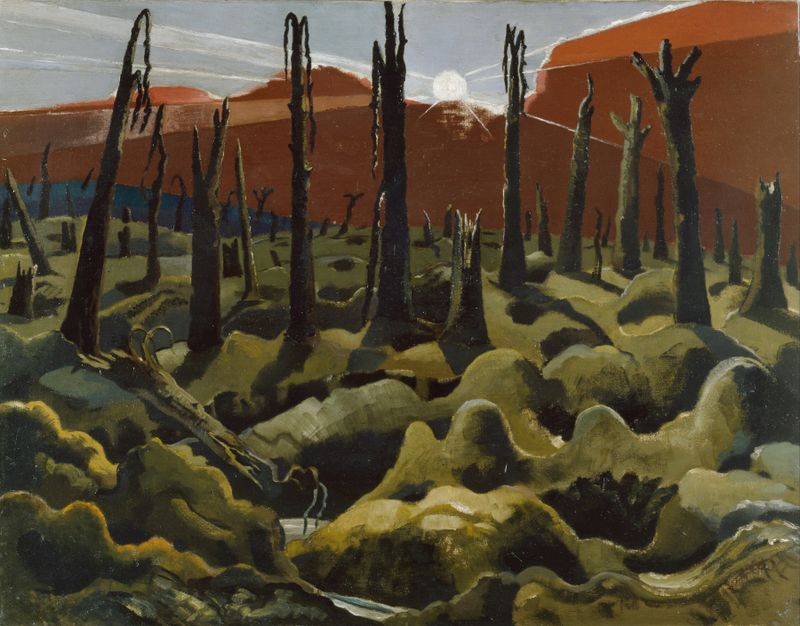
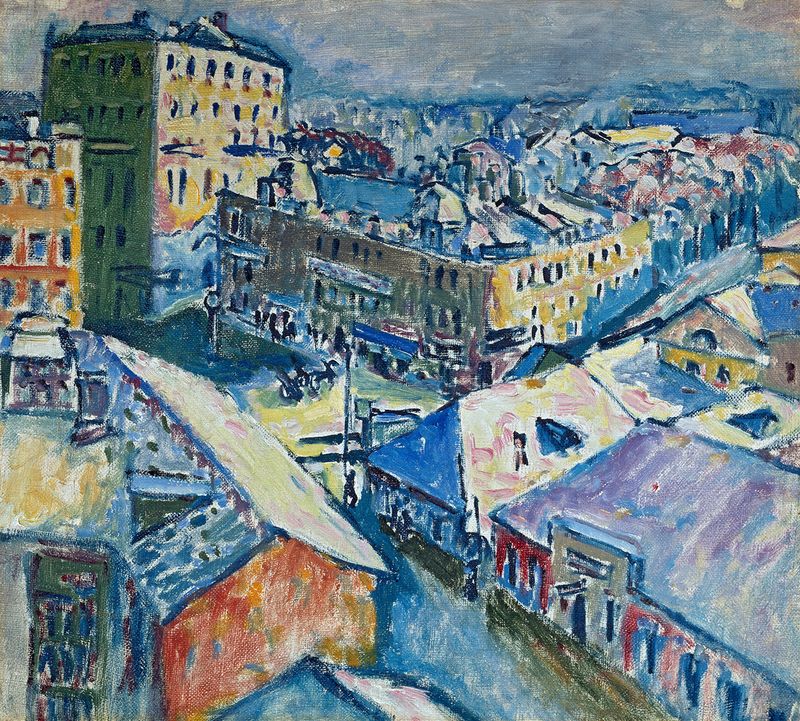
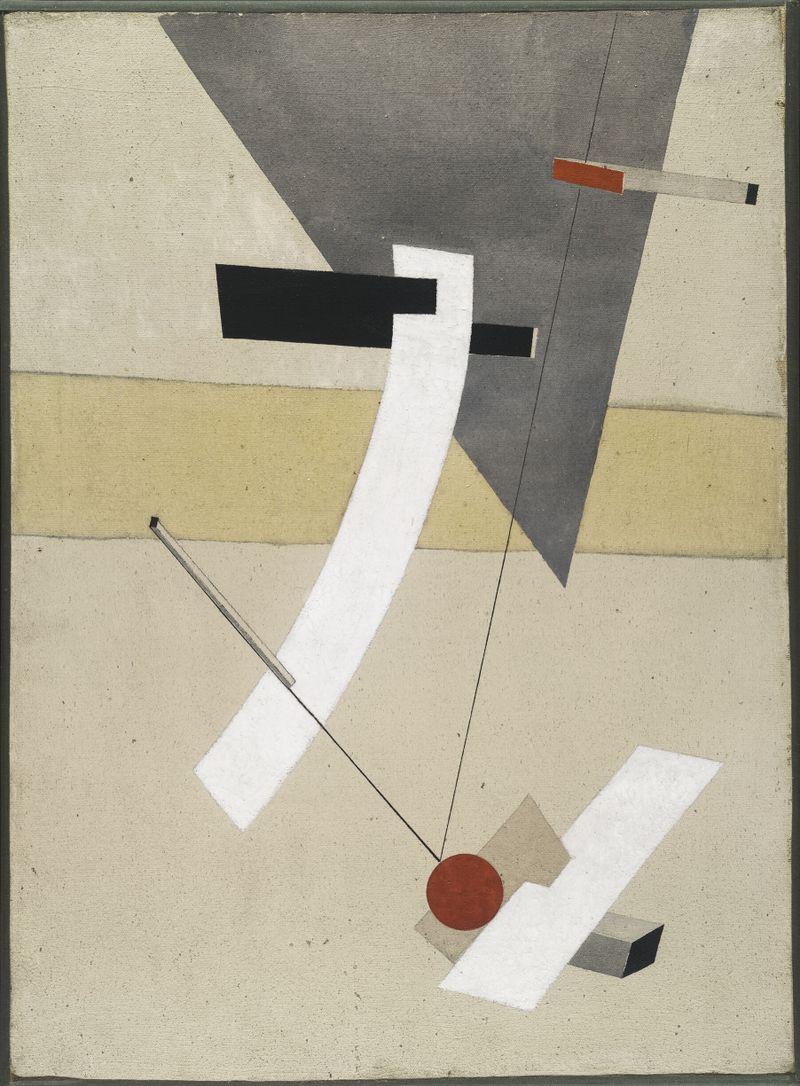
In the swirling depths of Carthage, one encounters a world where tumultuous forms converge into a haunting truth. Look to the center, where jagged shapes and vivid hues collide, drawing your eye into a chaotic expanse that pulses with energy. The tumultuous mix of reds and blacks creates an atmosphere of tension, while streaks of gold serve as fleeting moments of hope or revelation, illuminating the darkness. Notice how the brushwork is both erratic and purposeful, guiding the viewer through the tumult while revealing the complexity of the emotional landscape. Amidst this disorder lies a reflection on the fragility of human endeavor.
The stark contrasts between the vibrant colors and the chaotic forms evoke the duality of creation and destruction, hinting at the cyclical nature of civilizations. Each brushstroke seems to whisper the stories of triumph and tragedy, a poignant reminder of the transience of glory in the face of time. The painting becomes an allegory for the rise and fall of societal ideals, urging contemplation on the truths we forge amidst chaos. William Linton painted Carthage around 1830, during a period marked by significant artistic exploration in Europe.
As a member of the early Romantic movement, he sought to capture emotional depth and complexity through dramatic landscapes and historical themes. At this time, Linton was navigating his own artistic journey, grappling with the shifting tides of Romanticism while responding to a world in flux, filled with the echoes of past civilizations.