
Carthusian shrine — History & Facts
Grief lingers in the spaces we often overlook, echoing through the silence of our memories. Focus first on the gentle interplay of light and shadow that envelops the shrine’s solemn figure. Notice how the soft hues of blue and gray create an atmosphere of stillness, inviting contemplation. The delicate details—each leaf, each stone—seem to whisper of stories long past, drawing the eye toward the central altar.
The composition channels a sense of reverence, with the careful arrangement leading your gaze upward, as if seeking solace in the ethereal presence above. As you explore further, consider the contrasts that emerge within the scene: the rigidity of the stone against the softness of the foliage, the starkness of the shrine juxtaposed with the warmth suggested by the light. This tension hints at the unresolved emotions of loss and remembrance, suggesting that grief is not merely an absence but a presence that infuses the space with meaning. Each element invites the viewer to reflect on the fragility of life and the beauty found in mourning. Created between 1920 and 1921, this piece captures Krzyżanowski during a time of introspection following World War I, as Europe grappled with the aftermath of conflict and loss.
Living in Poland, he was influenced by the broader artistic currents of Expressionism, which sought to evoke deeper emotional truth through its forms. The Carthusian shrine, in this context, stands as a poignant tribute to the enduring spirit of remembrance amid a world reshaped by grief.
More Artworks by Konrad Krzyżanowski
Browse all →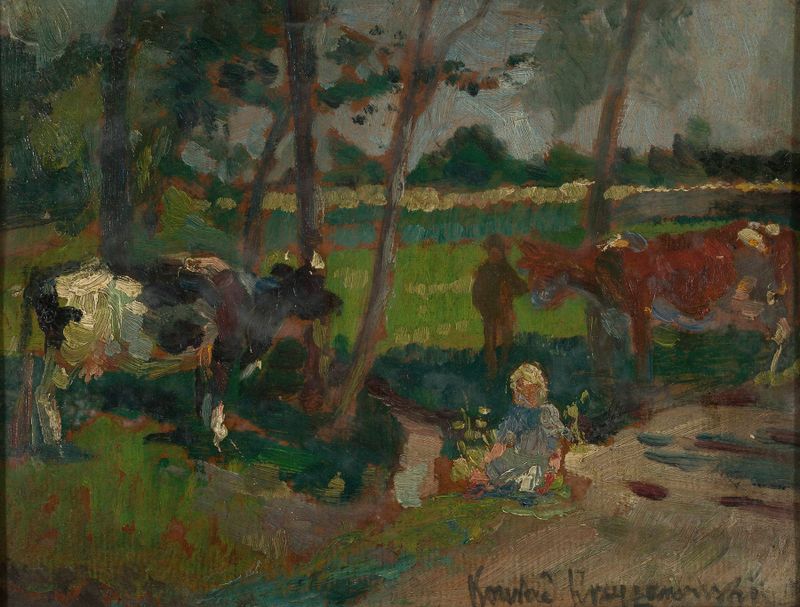
Landscape
Konrad Krzyżanowski
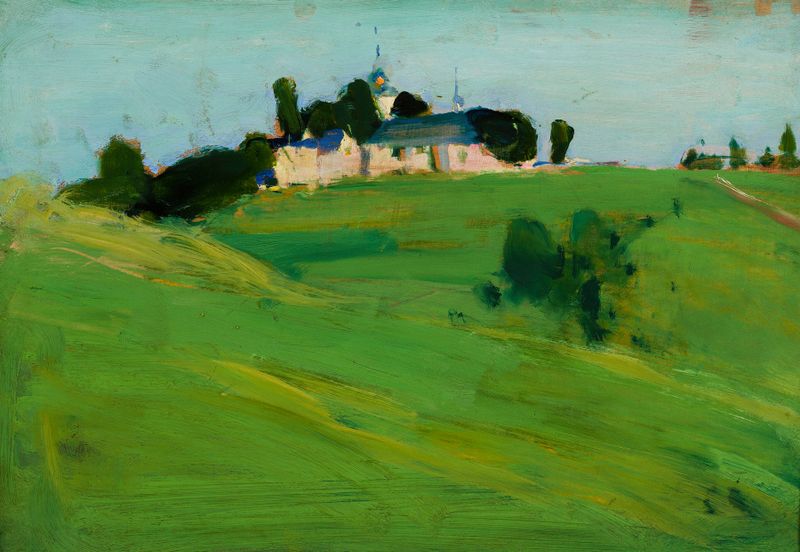
View from Istebna V. Church
Konrad Krzyżanowski
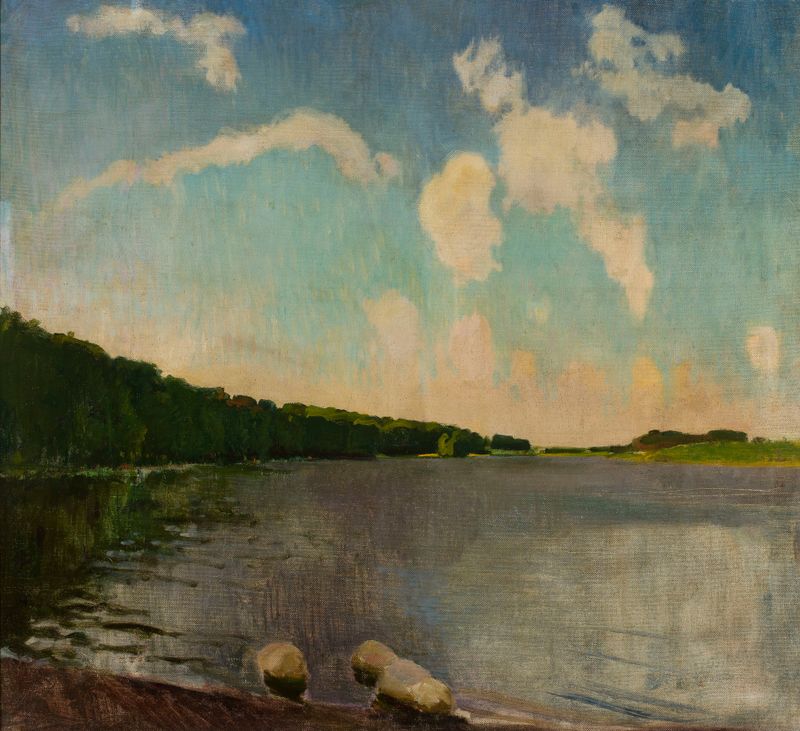
Monastery lake in Kartuzy
Konrad Krzyżanowski
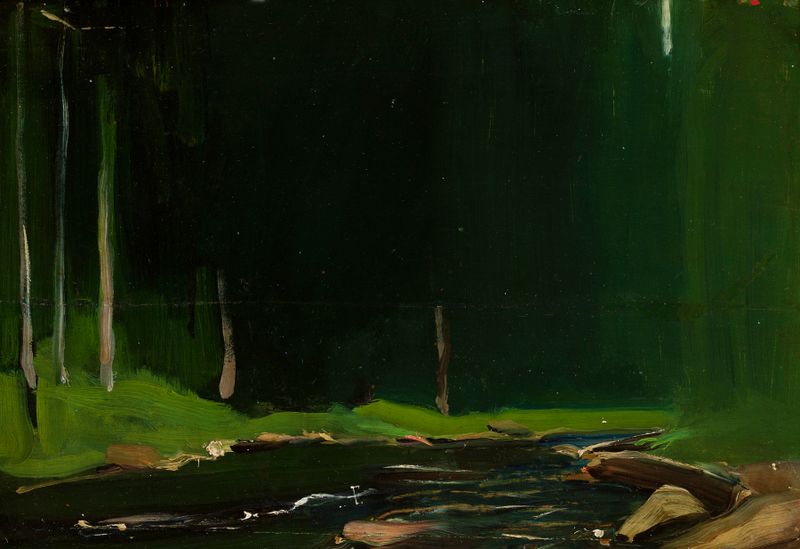
View from Istebna I. Forest
Konrad Krzyżanowski
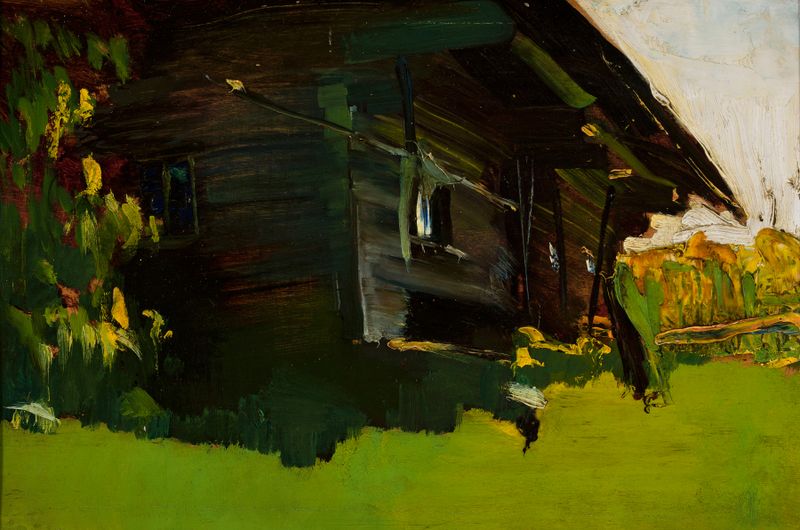
View from Istebna II. Cottage
Konrad Krzyżanowski
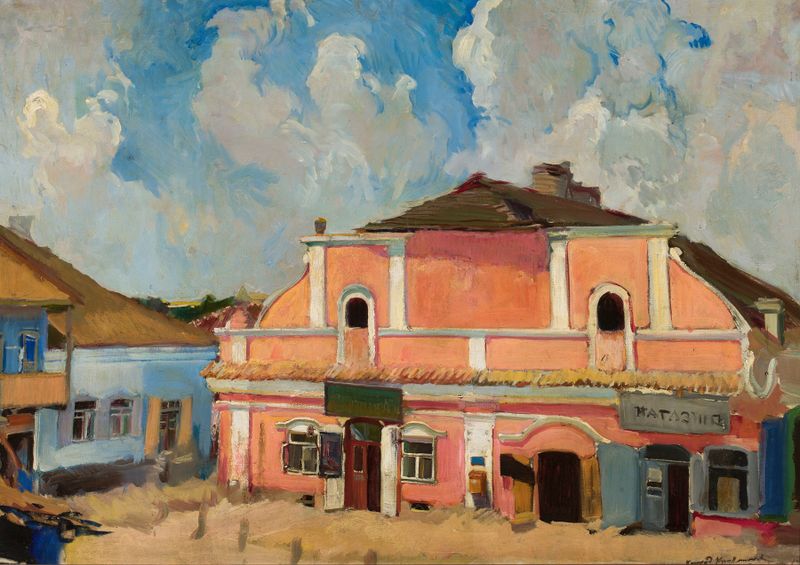
View of Berestechko
Konrad Krzyżanowski
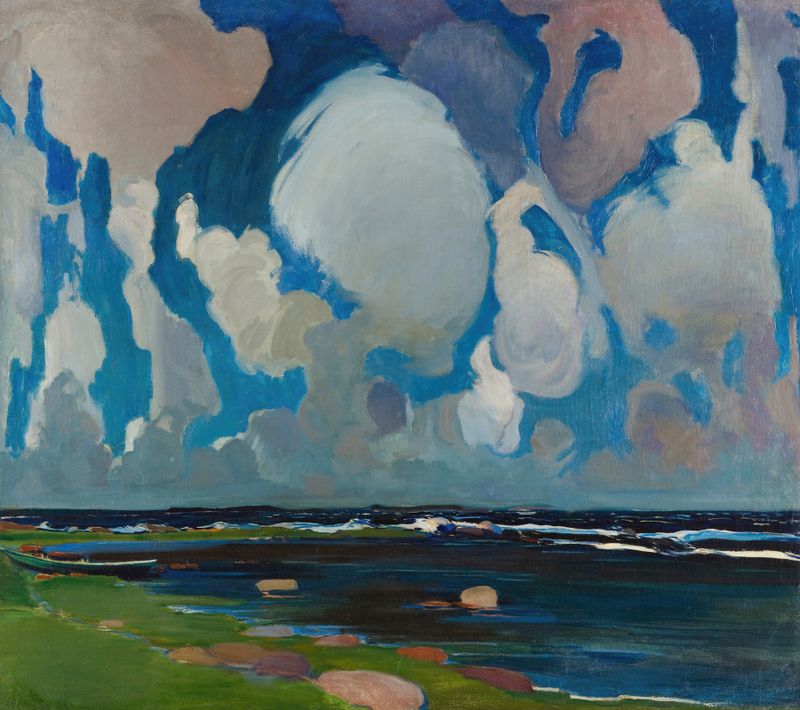
Clouds in Finland
Konrad Krzyżanowski
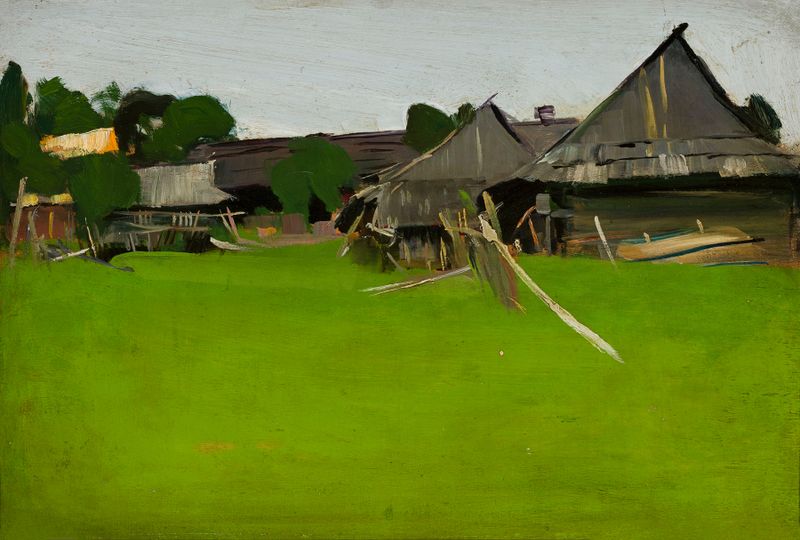
View from Istebna IV. Cottages
Konrad Krzyżanowski
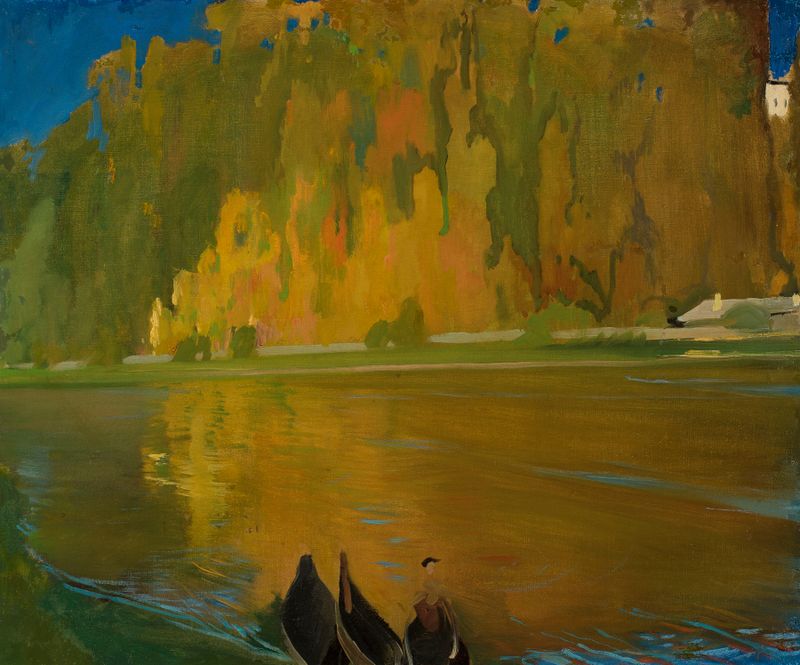
Verkiai Village near Vilnius
Konrad Krzyżanowski
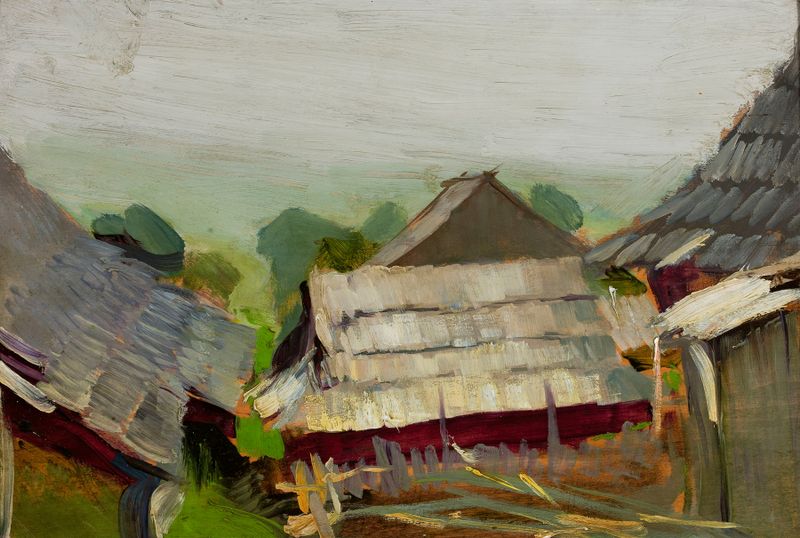
View from Istebna III. Farmyard
Konrad Krzyżanowski
More Religious Art
Browse all →
The Return of the Prodigal Son
Rembrandt van Rijn

The Garden of Earthly Delights
El Bosco

Count Orgaz’ funeral
El Greco

The Hundred Guilder Print: the central piece with Christ preaching, the plate arched
Rembrandt van Rijn

The Descent from the Cross
Rogier van der Weyden

The return of the prodigal son
Rembrandt van Rijn