
View from Istebna III. Farmyard — History & Facts
When did color learn to lie? In every brushstroke of this work, a silent conversation between the earthly and the divine unfolds, inviting the viewer to ponder the delicate balance between perception and reality. Look to the foreground where vibrant greens assert their dominance, hinting at a burgeoning life within the farmyard. The sunlit patches create a warm embrace, drawing the eye towards the sturdy farmhouse that stands like a sentinel amidst the riot of nature. Notice how the artist uses bold strokes, often juxtaposing dark browns and light hues to emphasize texture, creating an inviting yet enigmatic atmosphere that pulses with vitality. As you delve deeper into the composition, subtle contrasts emerge.
The interplay of light and shadow suggests not only the passing of time but also a tension between the mundane and the sacred. The trees appear almost as guardians, their forms ethereal, blurring the line between nature's simplicity and an underlying spiritual essence. Each element, from the rustic fence to the distant hills, serves as a reminder of life's interconnectedness, where the divine breathes through the everyday. In 1906, Krzyżanowski painted this piece during a significant period of transition in Polish art, moving towards modernism while retaining elements of realism.
Living in a time when national identity was crucial, he sought to capture the essence of rural life in his homeland. This artwork reflects not only his stylistic evolution but also the broader cultural shifts occurring, as artists began to explore new ways of seeing and interpreting their surroundings.
More Artworks by Konrad Krzyżanowski
Browse all →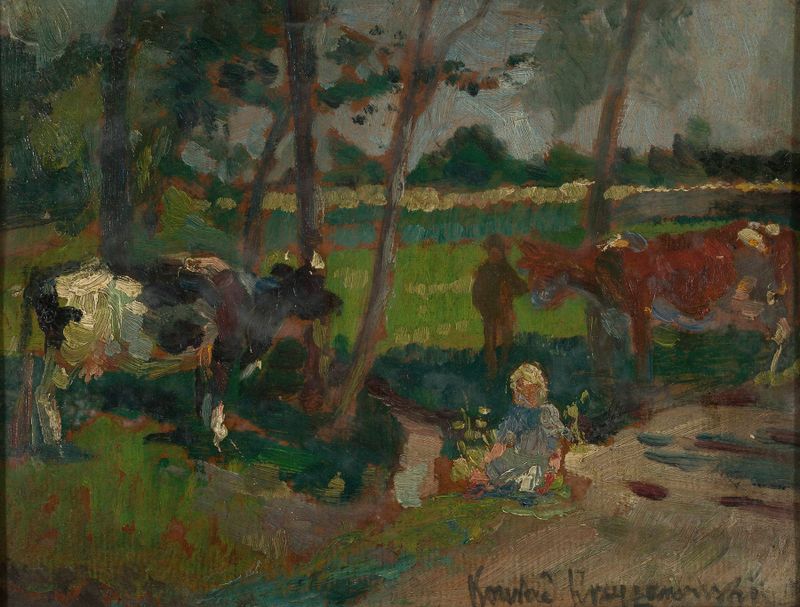
Landscape
Konrad Krzyżanowski
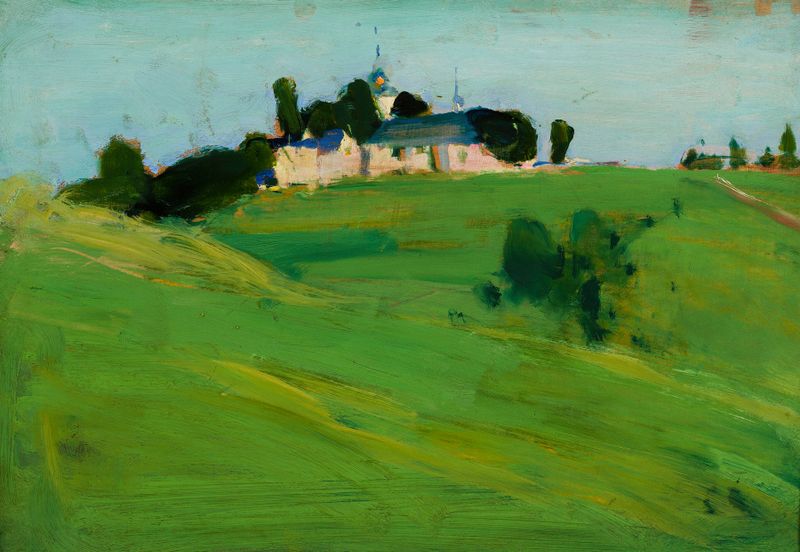
View from Istebna V. Church
Konrad Krzyżanowski
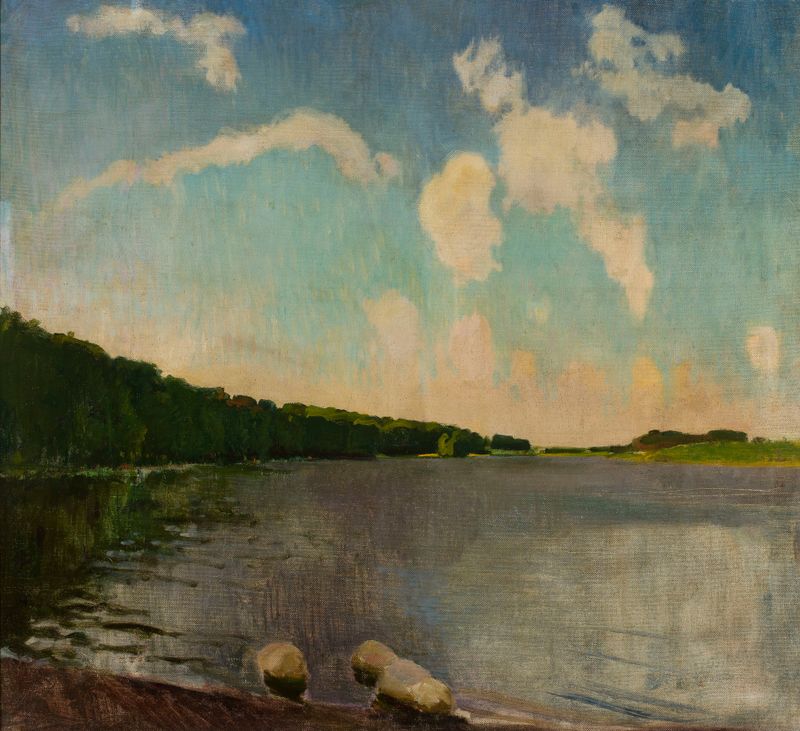
Monastery lake in Kartuzy
Konrad Krzyżanowski
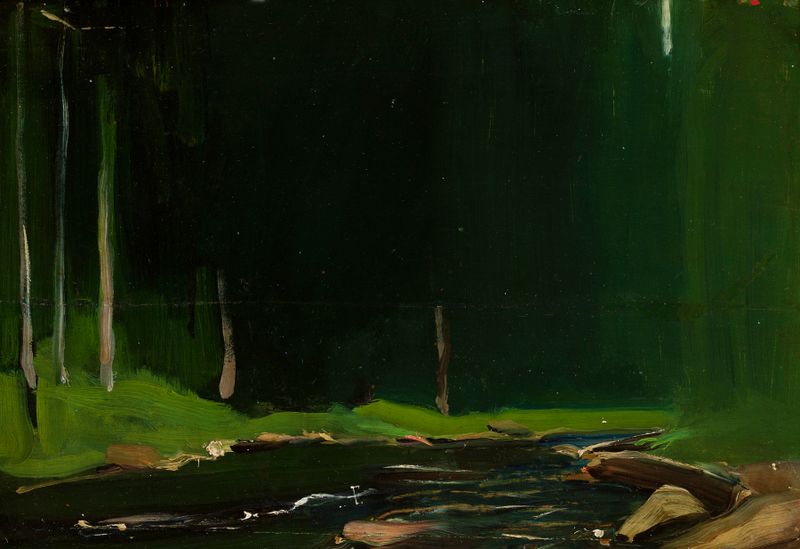
View from Istebna I. Forest
Konrad Krzyżanowski
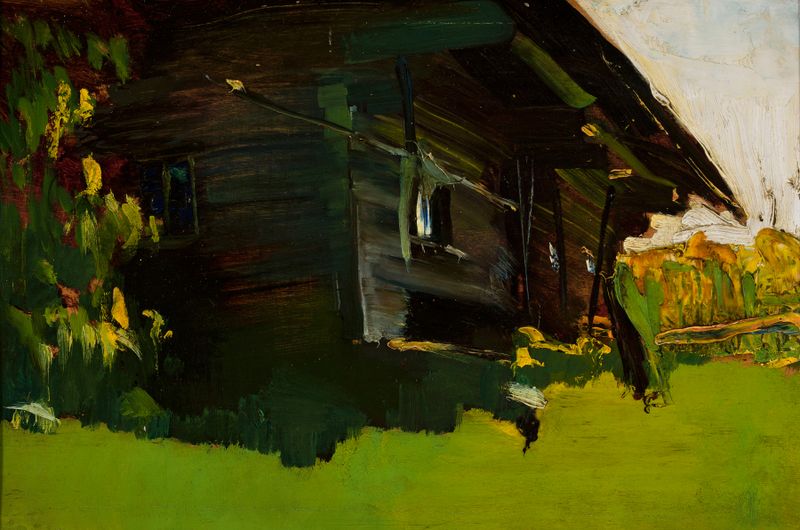
View from Istebna II. Cottage
Konrad Krzyżanowski
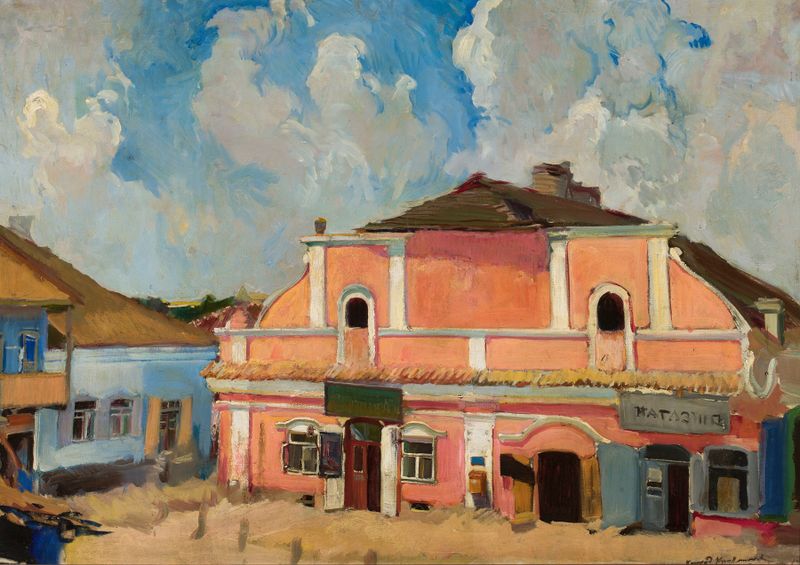
View of Berestechko
Konrad Krzyżanowski
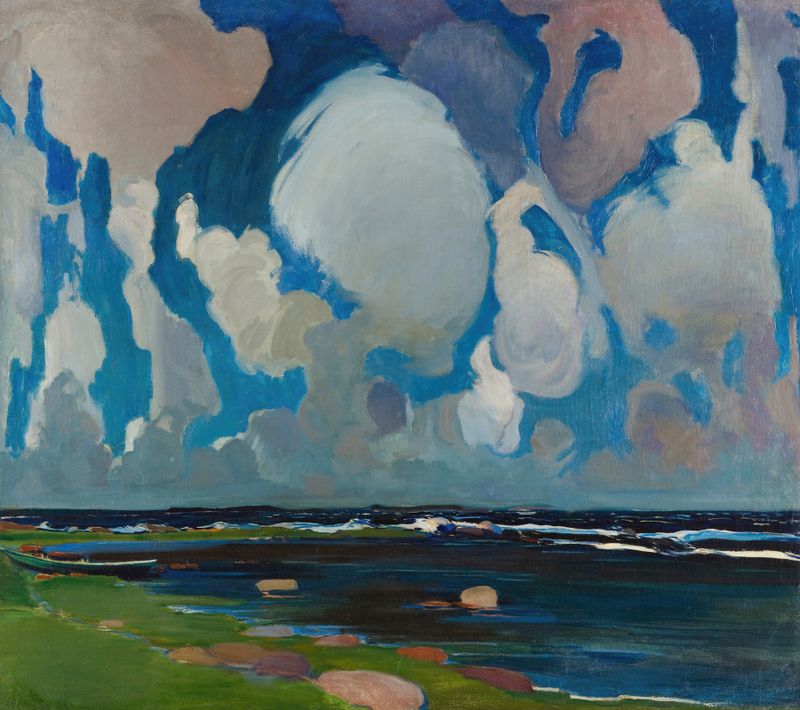
Clouds in Finland
Konrad Krzyżanowski
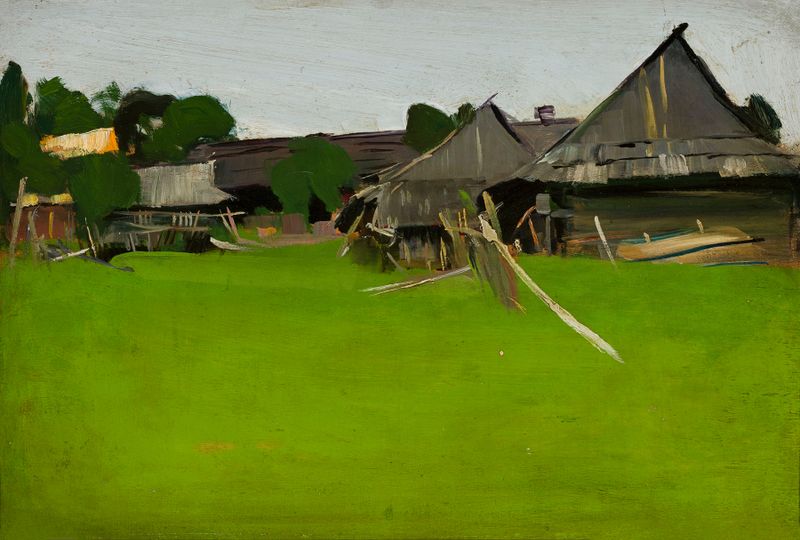
View from Istebna IV. Cottages
Konrad Krzyżanowski
Verkiai Village near Vilnius
Konrad Krzyżanowski
Sea, sketch
Konrad Krzyżanowski





