
Cask with two handles — History & Facts
Can paint confess what words never could? In the silent testament of this cask, a world of stories waits to be unraveled, concealed within its earthy hues and weathered texture. Look closely at the intricate handles, where your eye is drawn first; their delicate yet robust design hints at both utility and artistry. Notice the subtle interplay of light and shadow that caresses the surface, revealing the cask’s rugged imperfections—a testament to time's passage. The rich, muted palette envelops the object in warmth, each brushstroke a whisper of the hands that crafted it, emphasizing both the strength and fragility of its form. Delve deeper into the cask’s symbolism; it represents not just a vessel for liquids but also a container of memories and emotions.
The two handles suggest duality—perhaps a nod to the contrasting elements of life: joy and sorrow, hope and despair. The texture communicates a sense of history, inviting contemplation on the journey of creation, while the slight sheen of the wood hints at its ongoing narrative, caught between the past and the present. Created around the turn of the 17th century, this work emerges from a time when artists began exploring everyday objects, seeking beauty in the mundane. The period was marked by a shift towards realism, as painters sought to document life with meticulous detail.
This enigmatic piece, attributed to an unknown artist, reflects a growing appreciation for still life, echoing the sentiments of a society increasingly captivated by the tactile world around them.
More Artworks by Unknown Artist
Browse all →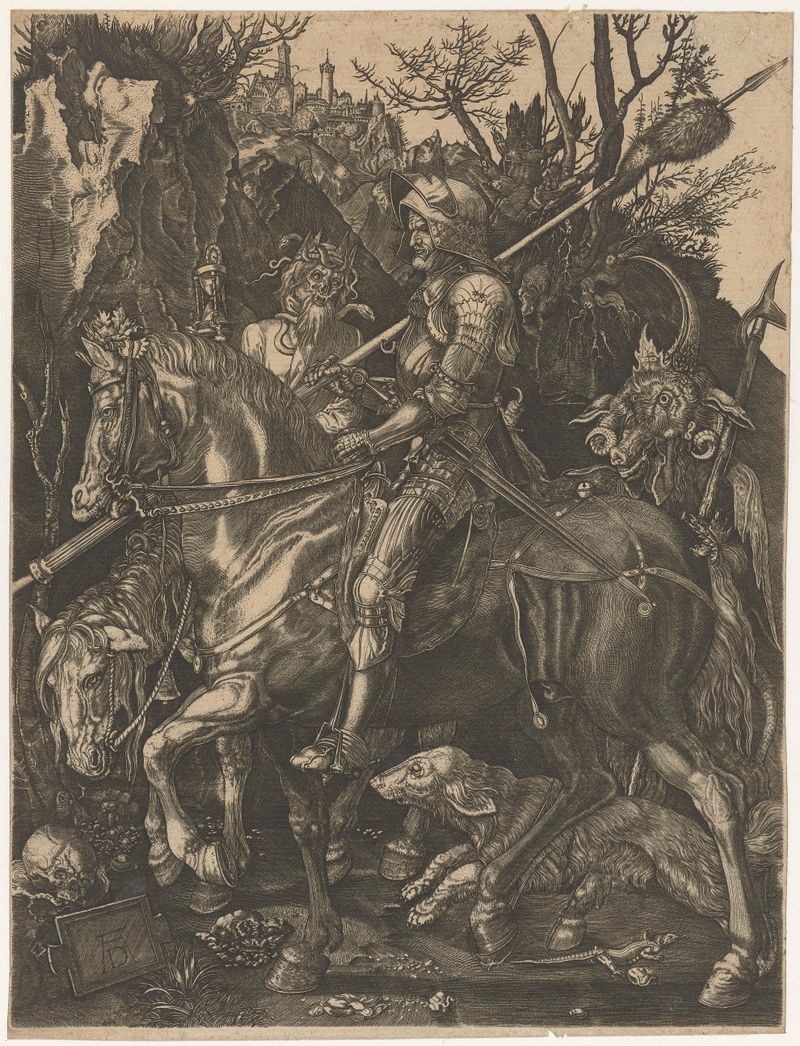
Ridder, Dood en Duivel
Unknown Artist
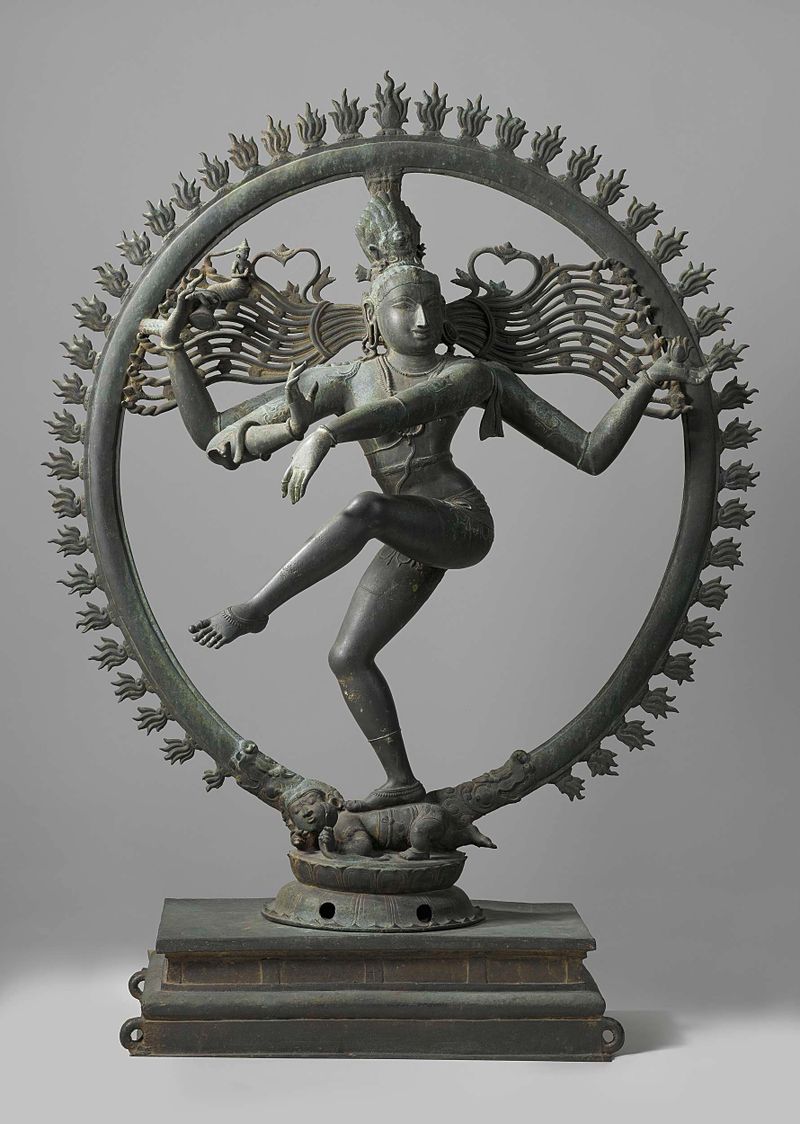
Shiva Nataraja
Unknown Artist
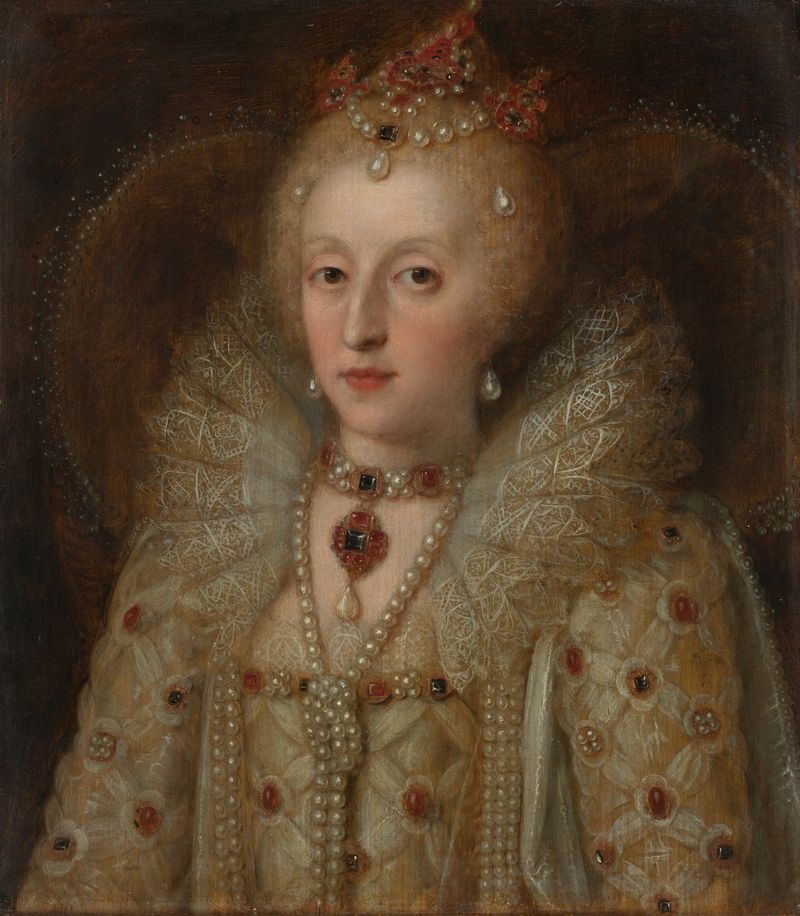
Portrait of Elizabeth I, Queen of England
Unknown Artist
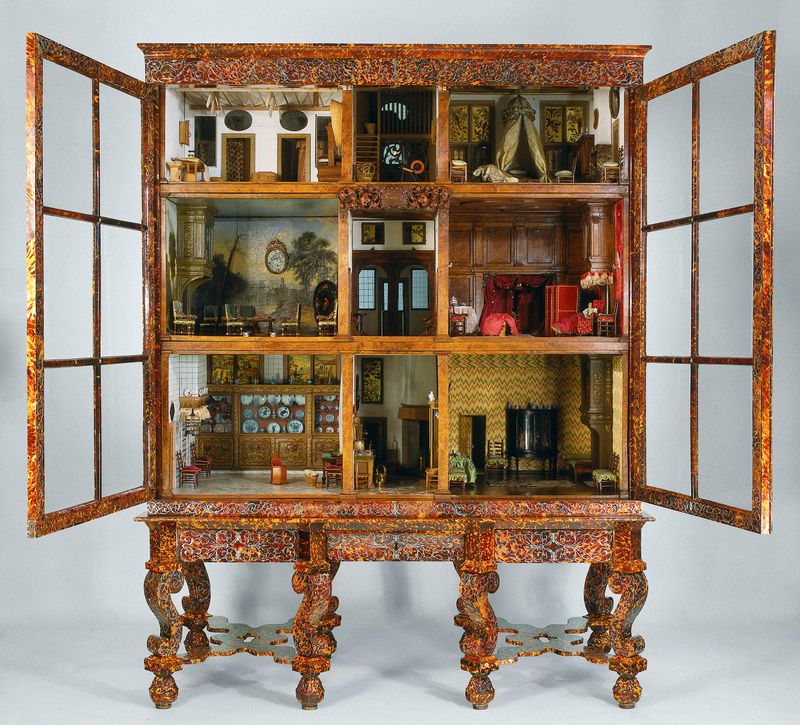
Dolls’ house of Petronella Oortman
Unknown Artist
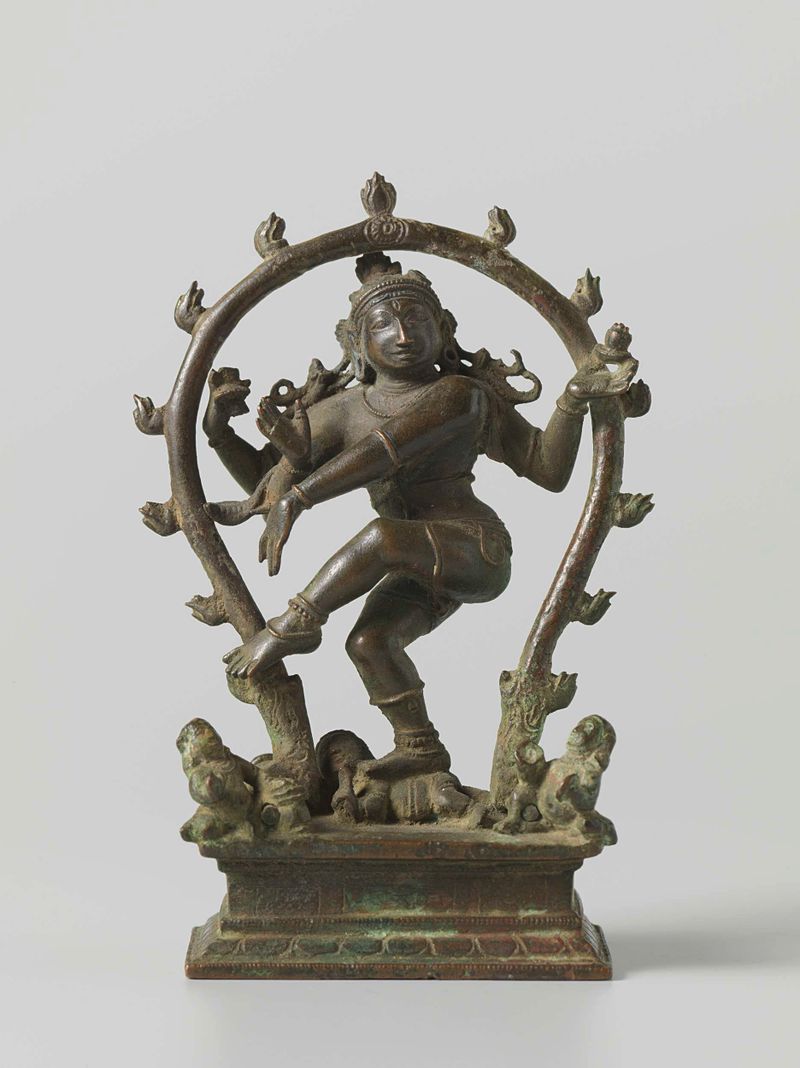
Shiva Nataraja
Unknown Artist

The Tale of Genji
Unknown Artist

The Tale of Genji
Unknown Artist

Cong
Unknown Artist
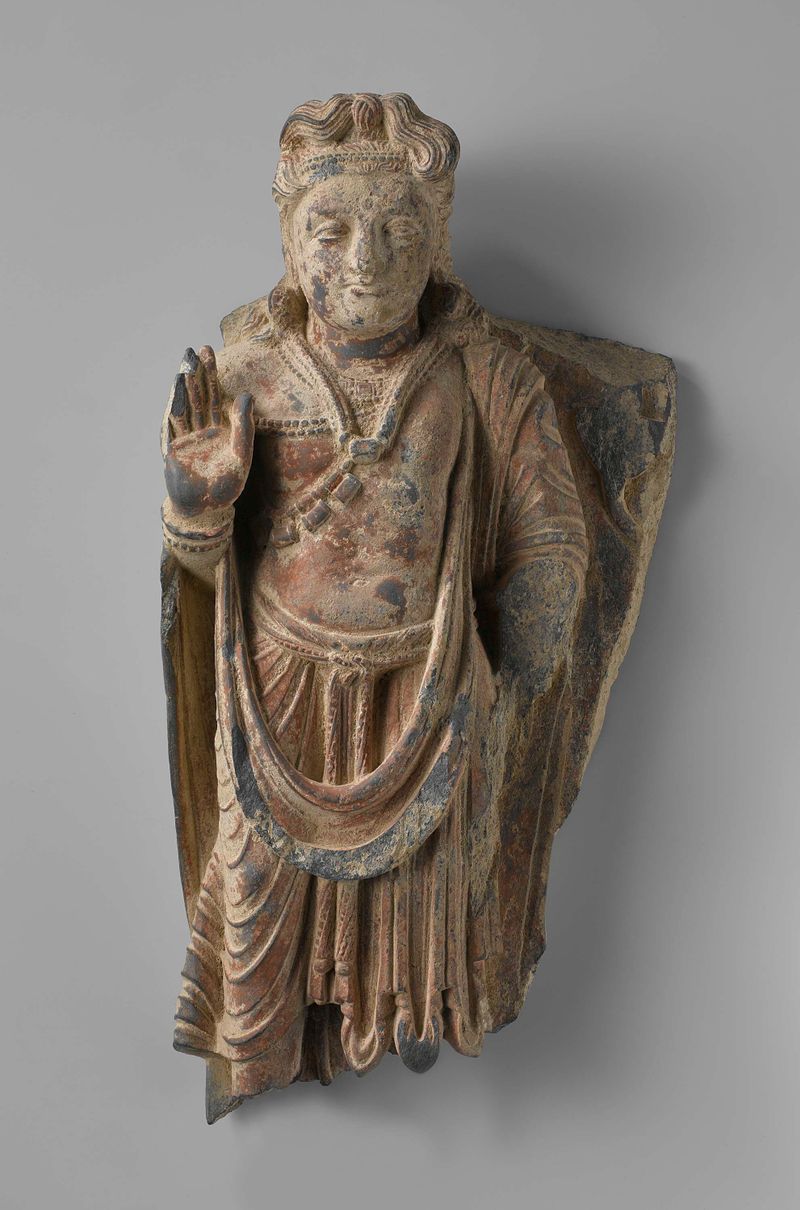
The bodhisattva Maitreya
Unknown Artist

Teabowl with a 'hare's fur' glaze
Unknown Artist



