
Cathedral of Pisa — History & Facts
Did the painter know this moment would outlive them? Cathedral of Pisa invites us to ponder the essence of innocence captured in a fleeting glance at architectural splendor, where time stands still. Look to the foreground, where delicate brushstrokes depict the cathedral's intricate façade, imbued with soft hues of cream and gold. The light plays upon the stone, creating a gentle glow that enhances the building's ethereal beauty. Notice how the artist has framed the towering structure against a serene sky, the delicate interplay of clouds providing both depth and contrast.
Each stroke whispers of the love and care invested in this portrayal, making the viewer feel as if they could almost reach out and touch the cool stone. Within this serene representation lies a poignant tension: the juxtaposition of enduring architecture against the ephemeral nature of human experience. The cathedral stands as a timeless sentinel, yet the painting teems with a sense of innocence, as if the moment captured is an invitation to marvel at the beauty of existence itself. Look closely, and you'll see subtle hints of life beyond the stone—a small figure in the distance, perhaps a child, unaware of the grandeur surrounding them, embodying the fleeting nature of youth against an everlasting backdrop. In 1905, Olga Boznanska painted this piece during a transformative period in her life, marked by her burgeoning recognition as a leading Polish artist.
Working in Paris and influenced by the Impressionist movement, she embraced light and color in ways that spoke to her own experiences and the world evolving around her. The artistry in Cathedral of Pisa not only reflects her technical prowess but also her deep emotional connection to themes of beauty and transience.
More Artworks by Olga Boznanska
Browse all →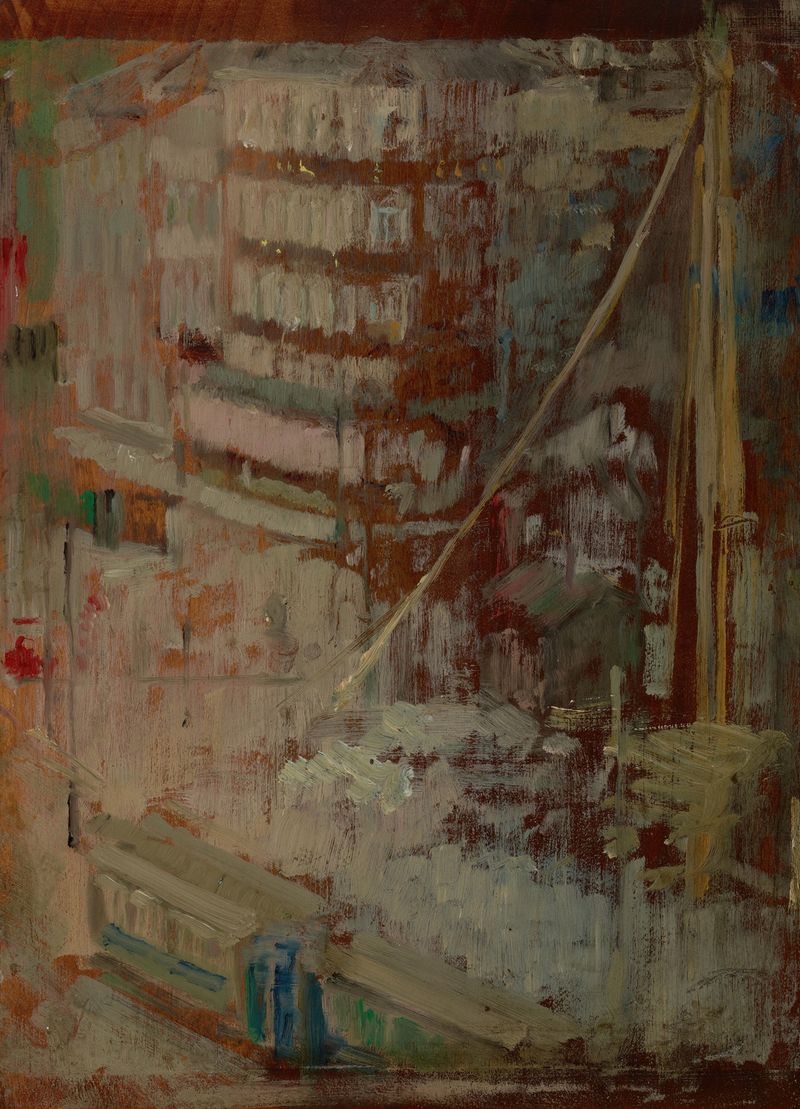
Motif from Paris
Olga Boznanska
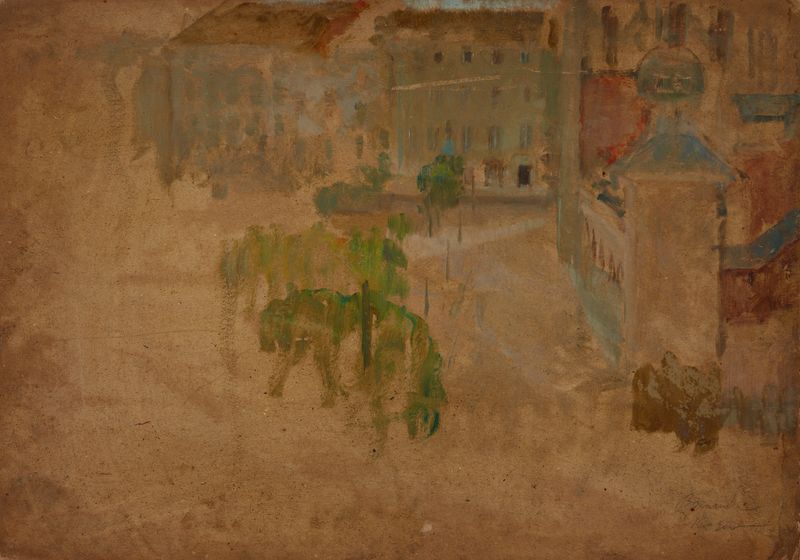
Main Market Square in Krakow – Fragment of a Street
Olga Boznanska

View from the Studio’s Window
Olga Boznanska

View from the Studio’s Window
Olga Boznanska
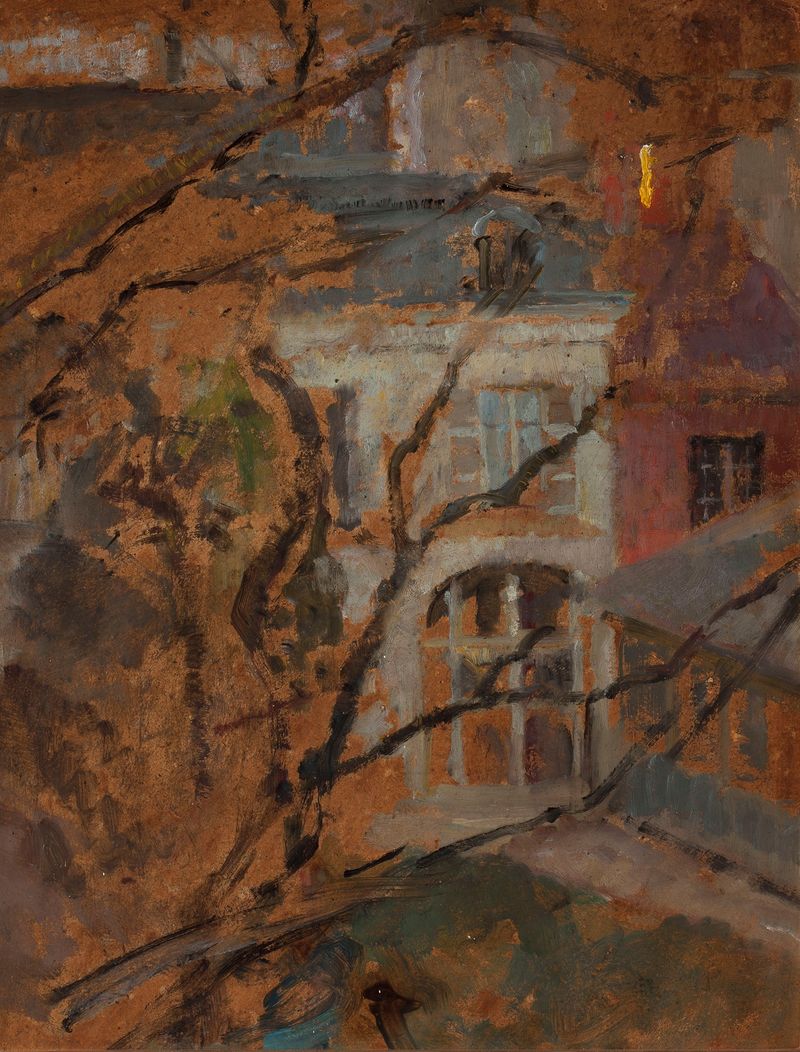
View from the window of the studio
Olga Boznanska

Place de Thernes in Paris
Olga Boznanska
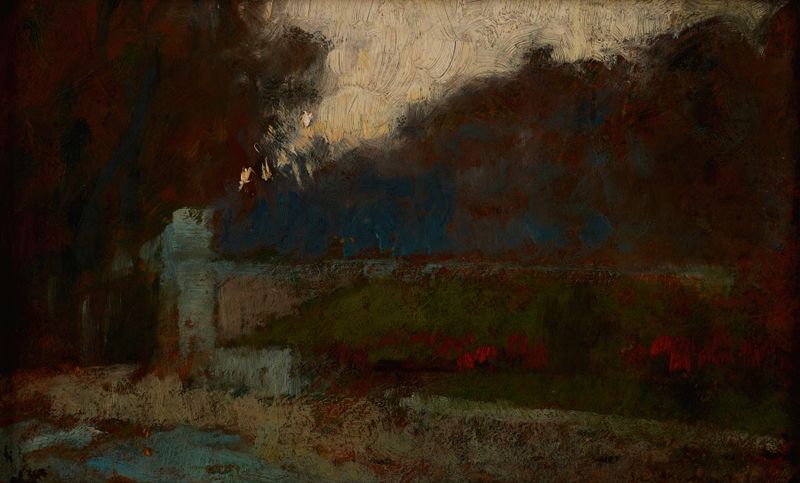
Landscape
Olga Boznanska
Sketch of a Landscape
Olga Boznanska

Town Buildings I
Olga Boznanska
Landscape Motif
Olga Boznanska
More Architecture Art
Browse all →
The statue of Liberty
Frédéric Auguste Bartholdi

View of Houses in Delft, Known as ‘The Little Street’
Johannes Vermeer

View of Houses in Delft, Known as ‘The Little Street’
Johannes Vermeer

The Cathedral in Rouen. The portal, Grey Weather
Claude Monet

The yellow house
Vincent van Gogh

The Church in Auvers-sur-Oise, View from the Chevet
Vincent van Gogh