Chamois High in the Mountains — History & Facts
In the realm of dreams, where nature's grandeur intertwines with fragile existence, a fleeting moment resonates deeply within us. Focus your gaze on the striking chamois, poised with grace on the rugged cliffside. Its fur, a soft blend of browns and creams, harmonizes with the rocky landscape that surrounds it. Notice how the sunlight bathes the animal in a warm, ethereal glow, highlighting the contours of its powerful form and contrasting the cool, shadowed crevices of the mountain.
The painter’s brushwork creates an almost tangible texture that draws you into this wilderness, inviting you to explore the stark beauty of the high Alps. Yet, beneath this serene façade lies a profound tension—the isolation of the chamois speaks to the struggles inherent in survival. The majestic peaks loom, both majestic and oppressive, symbolizing the boundary between freedom and the limits of existence. The slight tilt of the animal’s head suggests awareness, perhaps a longing, that mirrors our own yearning for connection in a vast, indifferent world.
Here, beauty and vulnerability coexist, each stroke revealing layers of emotion. During his career as a landscape and animal painter in the late 19th century, the artist captured this scene amidst a growing interest in naturalism and the Romantic ideals of the sublime. This period saw a fascination with the alpine environment, as artists sought to convey not just visual beauty, but the emotional essence of nature. In the midst of this artistic evolution, the creator of this work sought to express the delicate balance between the majestic and the fragile, emphasizing a complex relationship between humanity and the wild.
More Artworks by Anton Schrödl
Browse all →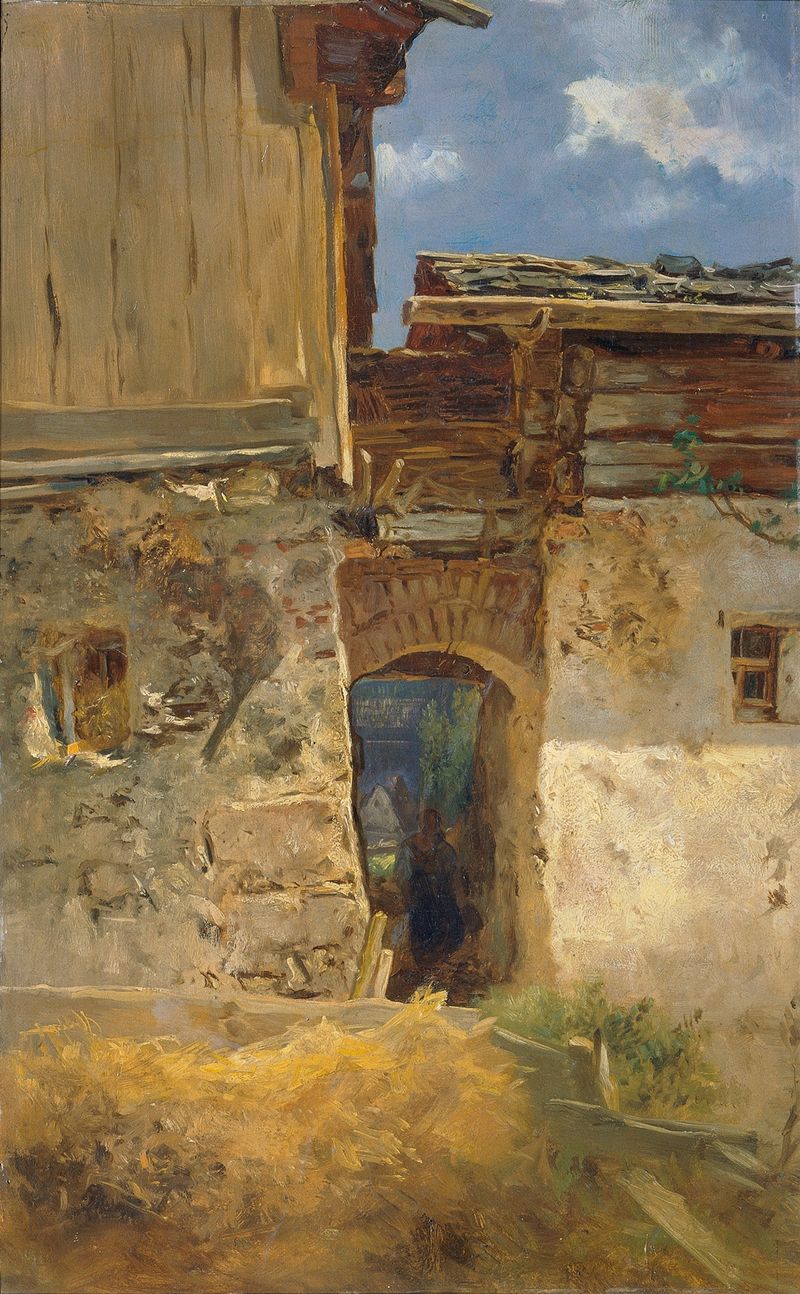
Gässchen in Hallstatt
Anton Schrödl
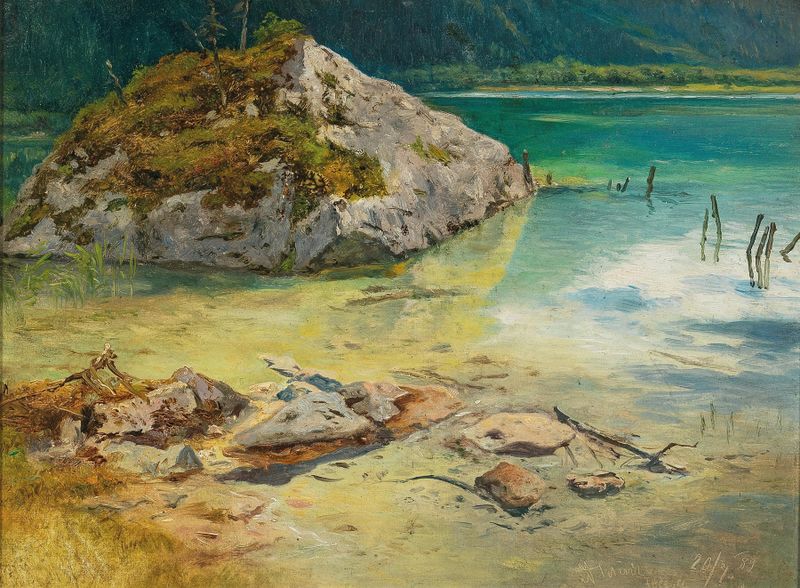
Impression of Lake Attersee
Anton Schrödl

Auf Der Alm
Anton Schrödl

A Rustic Garden
Anton Schrödl

Hunters Resting
Anton Schrödl
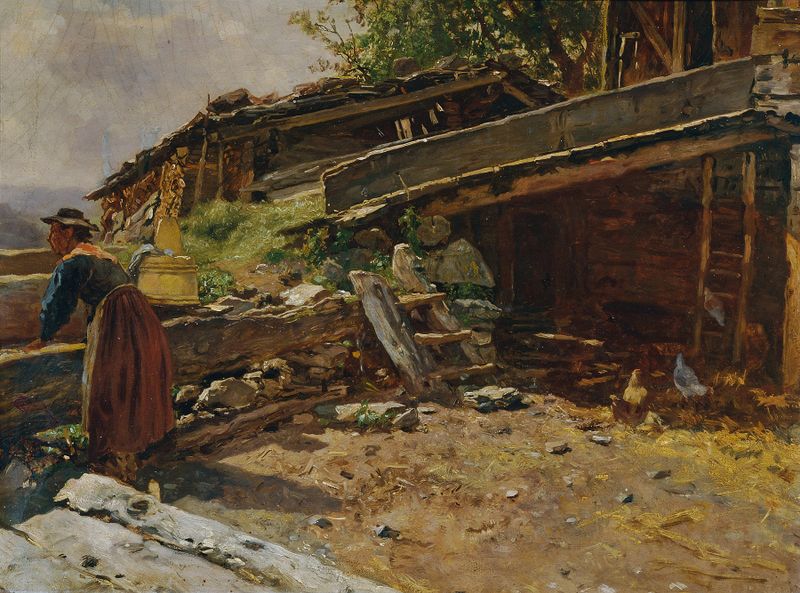
Brunnen beim Wolferlbauer in Bruck-Fusch
Anton Schrödl
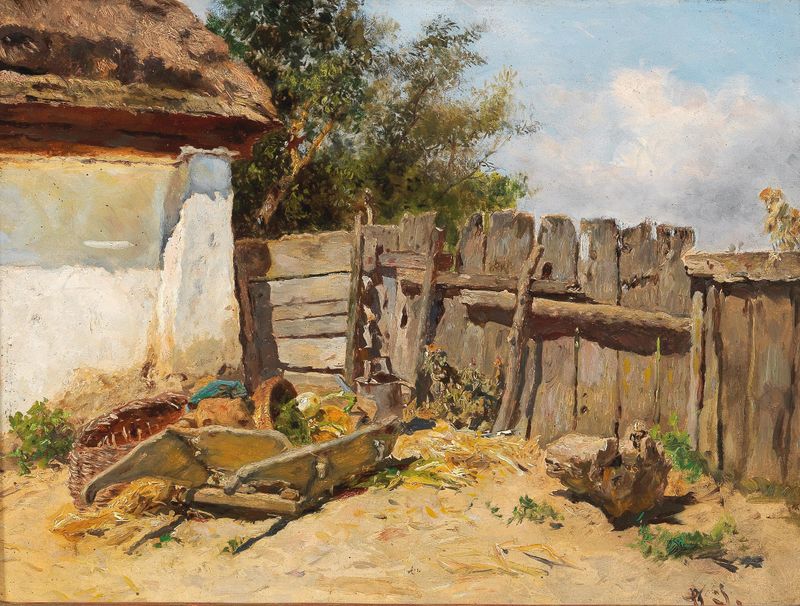
In The Farmhouse Garden
Anton Schrödl

Stallinterieur aus dem Pinzgau
Anton Schrödl
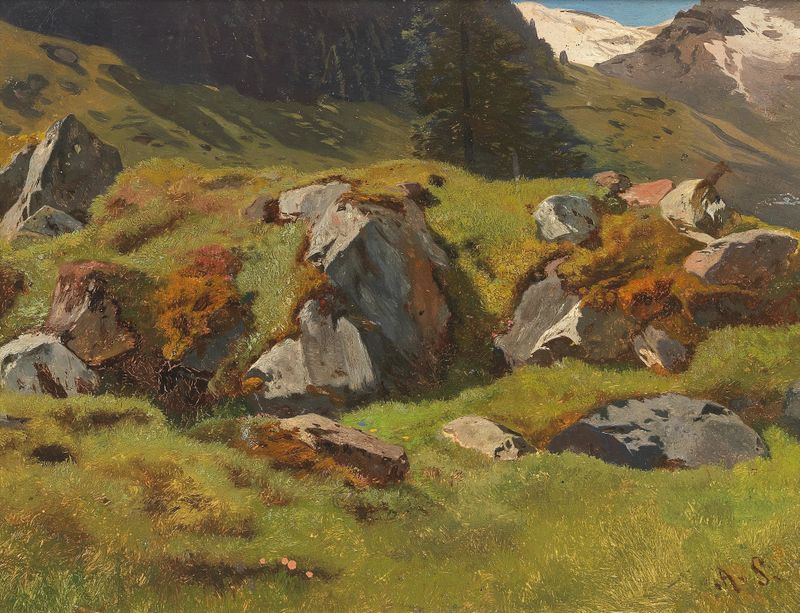
Study Of Rocks At Ferleiten
Anton Schrödl