
Chapel of the Holy Cross, Stratford-upon-Avon — History & Facts
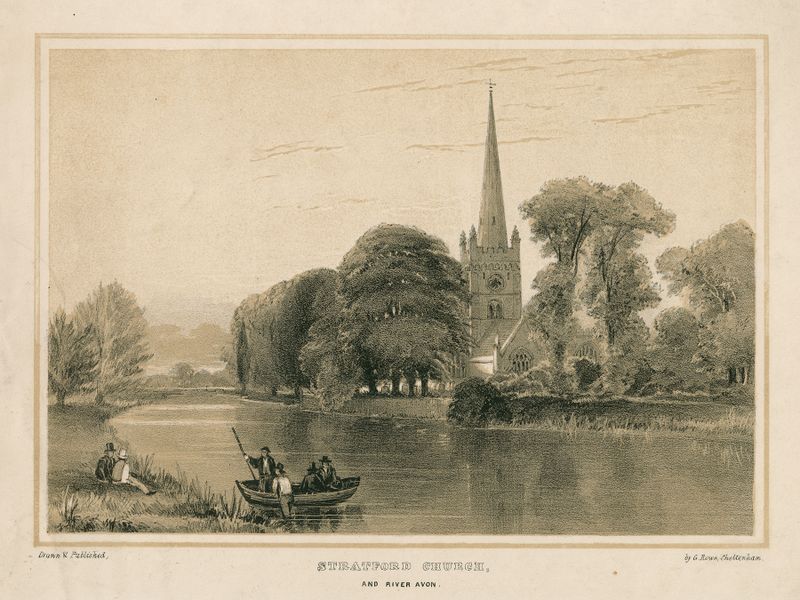
In the quiet recesses of our hearts, loneliness often finds its voice, whispering tales of solitude and contemplation. Look to the center of the composition where the Chapel stands resolute against its surroundings, a monument to faith amid an empty expanse. The artist employs warm earthy tones that invite the eye, yet the shadows lurking beneath the stonework evoke an unsettling sense of isolation. Notice how the light filters through narrow windows, casting gentle beams that illuminate only fragments, leaving much in darkness—a metaphor for the emotional landscape of the piece. As you delve deeper, observe the details: the weathered stone, each crack a testament to time; the stark absence of people that amplifies the chapel’s solemnity.
There’s a juxtaposition between the structure’s sturdy presence and the surrounding landscape, reflecting a profound yearning for connection that remains unfulfilled. This tension between the enduring faith the chapel symbolizes and the silence of its emptiness creates an emotional resonance that lingers. George Rowe created this piece in an undefined moment, a time when the Industrial Revolution was reshaping the English countryside, yet the spiritual core of the nation remained firm. Living in Stratford-upon-Avon, a town steeped in literary and cultural history, Rowe sought to capture a space that spoke of both sanctuary and solitude, highlighting the contrast between human aspiration and the often solitary pursuit of meaning.
More Artworks by George Rowe
Browse all →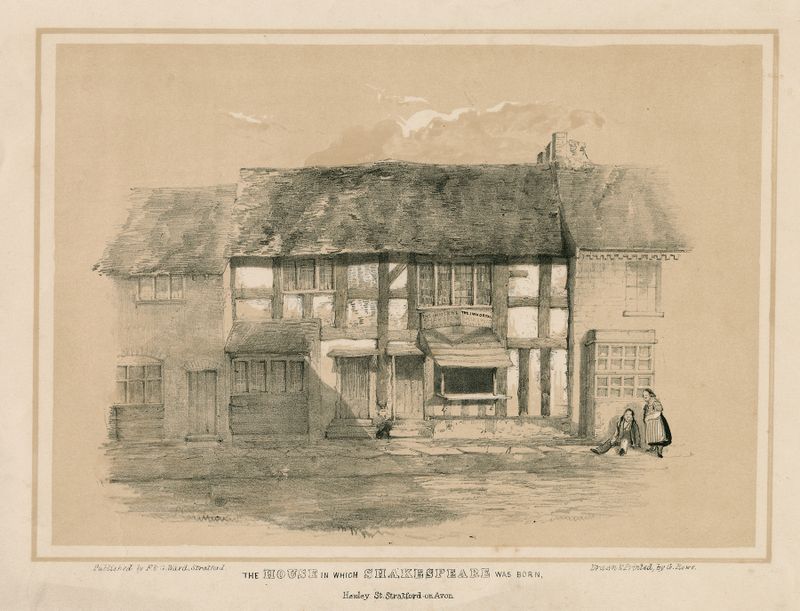
More Architecture Art
Browse all →
The statue of Liberty
Frédéric Auguste Bartholdi

View of Houses in Delft, Known as ‘The Little Street’
Johannes Vermeer

View of Houses in Delft, Known as ‘The Little Street’
Johannes Vermeer

The Cathedral in Rouen. The portal, Grey Weather
Claude Monet

The yellow house
Vincent van Gogh

The Church in Auvers-sur-Oise, View from the Chevet
Vincent van Gogh