
Charles William Eliot (1834-1926) — History & Facts
In this delicate exploration of destiny, the brush transcends mere representation, weaving a tapestry of memory and time. Look to the left at the soft, yet resolute gaze of Charles William Eliot. His expression, both contemplative and wise, invites the viewer into a dialogue with history. The rich, earthy tones of the background contrast with the luminosity of his pale skin, illuminating his features and imbuing the scene with a sense of reverence.
Notice how the artist employs gentle strokes to create a sense of integrity in his posture, while the subtle play of light on Eliot’s face captures an essence of introspection, inviting us to ponder his legacy. Within the folds of his clothing lie the threads of destiny, evoking the weight of his impact on education and thought. The juxtaposition between the organic outlines of his attire and the sharp clarity of his eyes suggests a profound complexity — an embodiment of both vulnerability and strength. Each brushstroke seems to whisper secrets of an era that shaped modern academia, emphasizing the tension between personal ambition and collective memory. Winifred Rieber painted this portrait in 1921, during a period of immense change in the art world, where traditional methods began to intersect with modernist ideals.
At this time, she inhabited the vibrant cultural landscape of early 20th-century America, where the influence of her subjects transcended their individual lives to comment on wider societal shifts, allowing her to capture Eliot's essence in a moment that resonates through time.
More Artworks by Winifred Rieber
Browse all →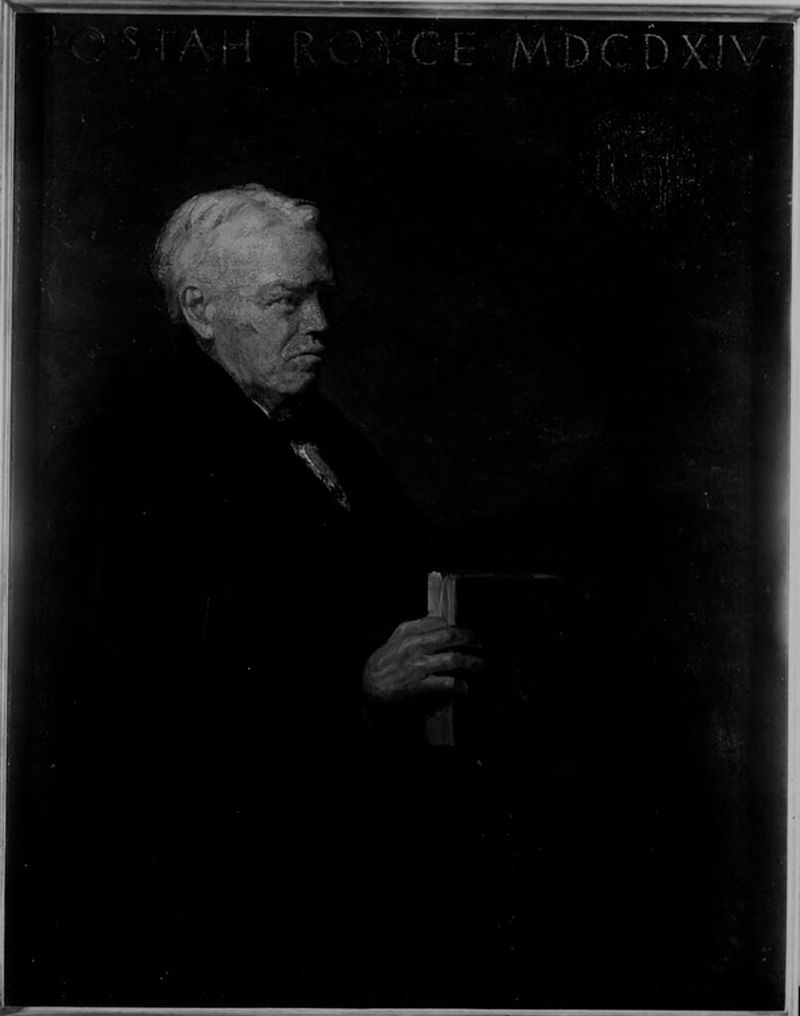
More Portrait Art
Browse all →
Las meninas
Diego Velázquez

Self-portrait with a Bandaged Ear and Pipe
Unidentified artist

Girl with a Pearl Earring
Johannes Vermeer

The Sampling Officials of the Amsterdam Drapers’ Guild, Known as ‘The Syndics’
Rembrandt van Rijn

The Hundred Guilder Print: the man seen on the back in the lower left corner
Rembrandt van Rijn

Portrait of Dr Gachet
Vincent van Gogh