Josiah Royce (1855-1916) — History & Facts
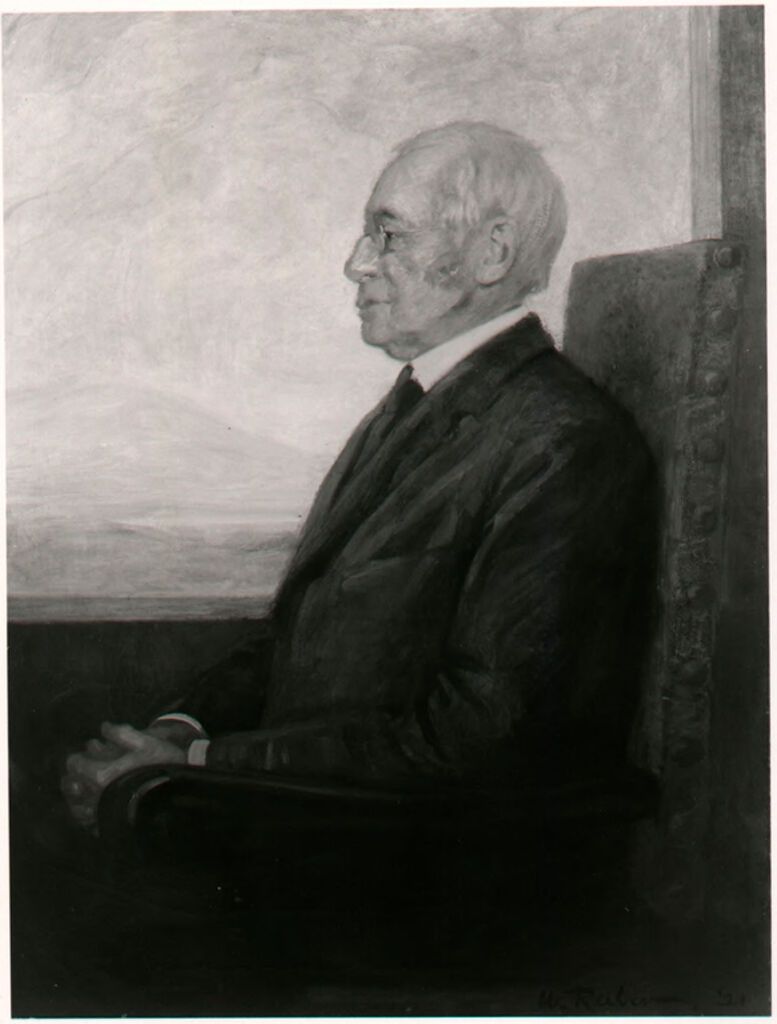
The intricate layers of emotion embedded in this piece invite the viewer to explore the complexity of truth and the human experience. Focus your gaze on the luminous halo that envelops the figure, highlighting the artist’s use of gilded tones and rich textures. The wisps of gold mingle with deep hues, creating a striking contrast that draws you in, revealing the underlying tension between fragility and strength. Notice how the expression on the subject’s face, serene yet contemplative, hints at an internal struggle—a quest for understanding amidst the chaos of existence. The interplay of light and shadow plays a crucial role, accentuating the duality present in the work.
The soft illumination suggests hope, while the darker areas evoke the weight of unspoken fears. This balance not only reflects the philosopher’s search for meaning but also serves as a commentary on the human condition, where beauty often emerges from suffering. The intricate details of the fabric and the thoughtful posture resonate with a profound sense of vulnerability. Winifred Rieber painted this portrait in 1914, a time of remarkable change in the art world and society at large.
Living in Boston, she was influenced by the philosophical landscape surrounding her, especially the ideas of her subject, Josiah Royce, who championed idealism and the importance of community. This period marked a pivotal moment in the evolution of modern art, as artists sought to reconcile traditional techniques with emerging concepts, making Rieber’s work both a personal and historical testament to the era.