
Chateau de St. Germain en Laye. Chapel and south side in 1855 — History & Facts
What if beauty was never meant to be finished? The sublime emptiness of a moment captured in time invites a contemplation of impermanence and the spaces we inhabit. Look to the left at the intricate details of the chapel's façade, where a delicate interplay of light and shadow animates the stonework. The artist’s meticulous attention to the architecture reveals a masterful command of perspective, pulling the viewer into the depth of the scene. Notice how the gentle hues of ochre and gray blend seamlessly, evoking a sense of tranquility that contrasts with the looming structures, as if the very air is laden with whispered prayers. The composition speaks volumes beyond its serene exterior.
Consider the absence of human figures; this solitude amplifies the feelings of isolation and introspection. The artist captures not merely a building but the stillness of history itself, suggesting an echo of voices long faded. Each arch and column stands as a testament to what was once vibrant, now reduced to a haunting elegance that invites deeper reflection on the passage of time. Created during a period of burgeoning artistic exploration, the work reflects the early stages of the Second Empire in France, possibly painted in the vibrant context of a growing fascination with romantic landscapes and historical architecture.
At this time, Brunet-Debaines was immersed in the revival of etching, showcasing his skill in capturing the essence of grand structures while navigating a world increasingly defined by industrialization and urban change.
More Artworks by Alfred Brunet-Debaines
Browse all →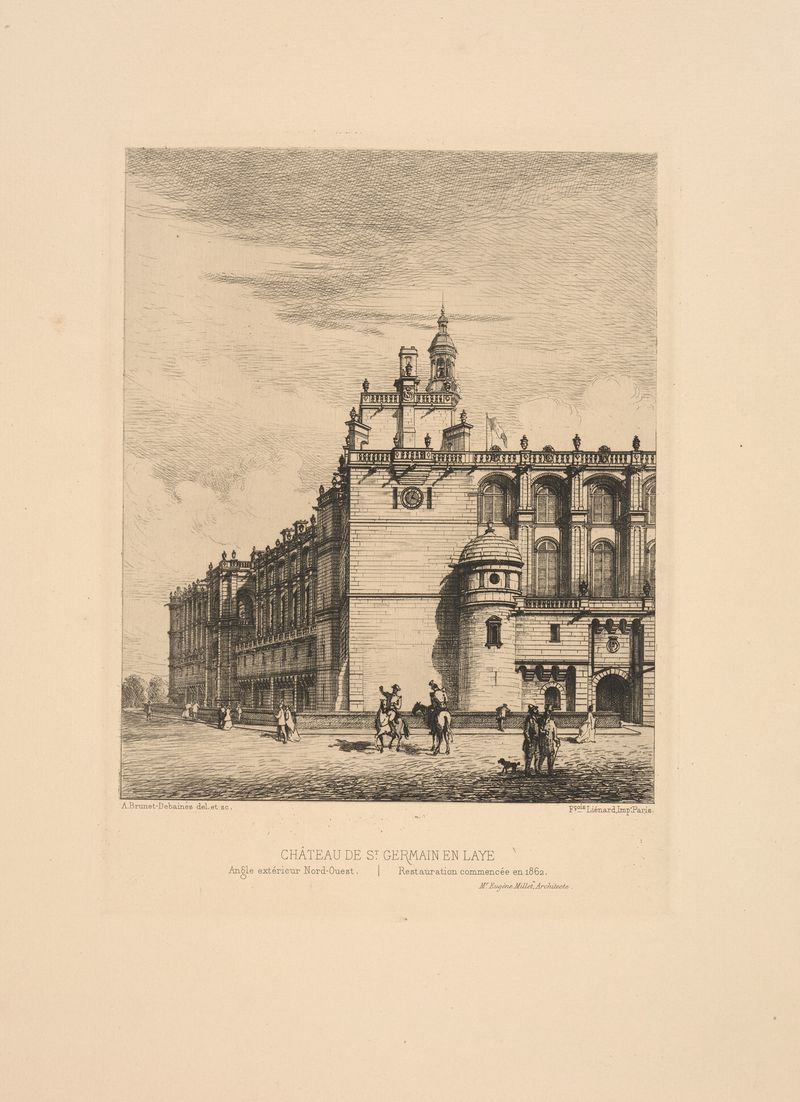
Chateau de St. Germain en Laye. Northwest exterior angle. Restoration began in 1682
Alfred Brunet-Debaines

Chateau de St. Germain en Laye. Northeast corner of the courtyard. Restoration began in 1862
Alfred Brunet-Debaines
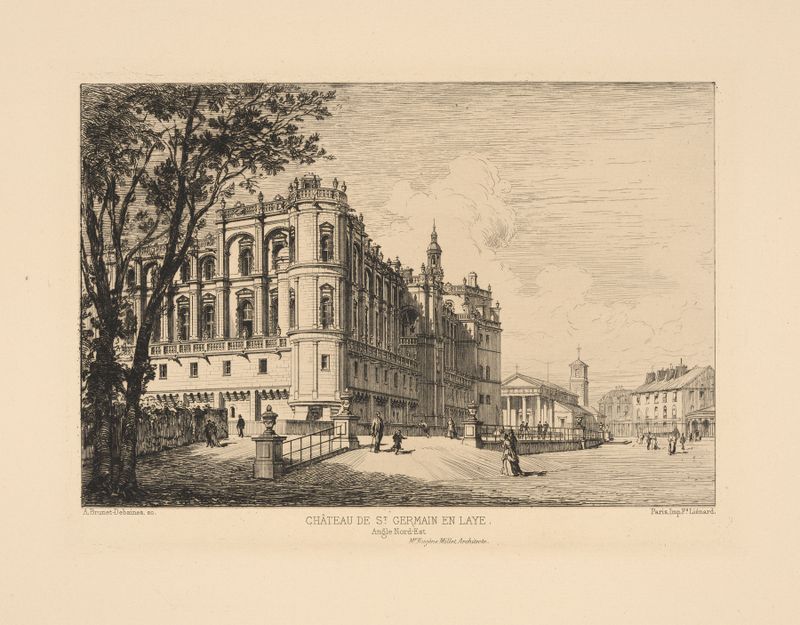
Chateau de St. Germain en Laye. Northeast corner.
Alfred Brunet-Debaines
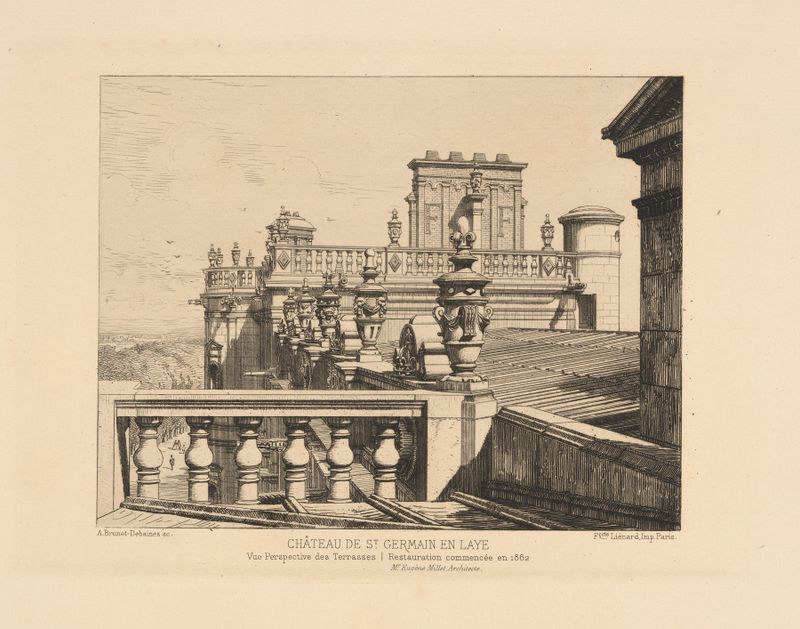
Chateau de St. Germain en Laye. Perspective view of the terraces. Restoration began in 1862
Alfred Brunet-Debaines
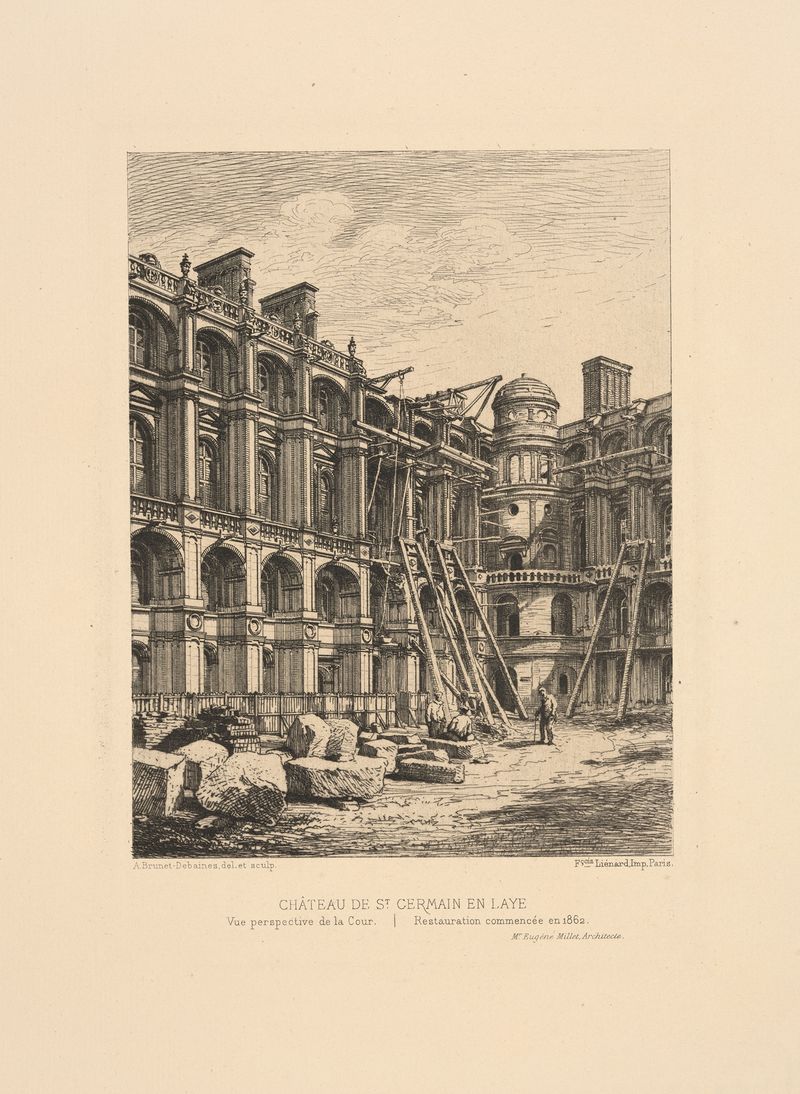
Chateau de St. Germain en Laye. Perspective view of the court. Restoration began in 1862
Alfred Brunet-Debaines
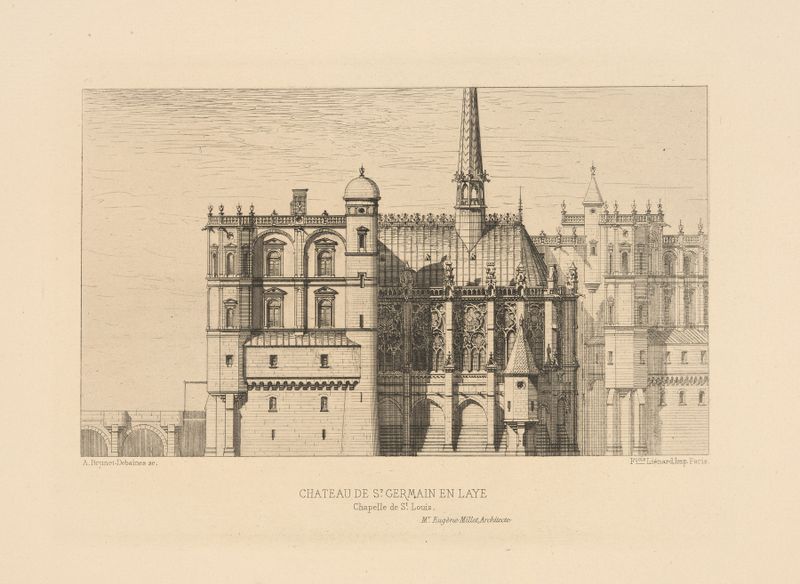
Chateau de St. Germain en Laye. St. Louis Chapel
Alfred Brunet-Debaines
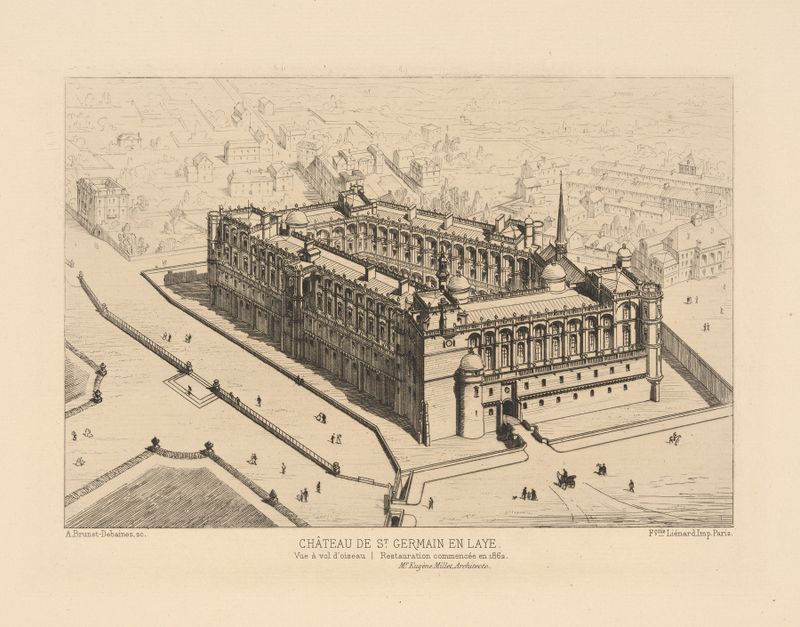
Chateau de St. Germain en Laye. Bird’s-eye view. Restoration began in 1682
Alfred Brunet-Debaines
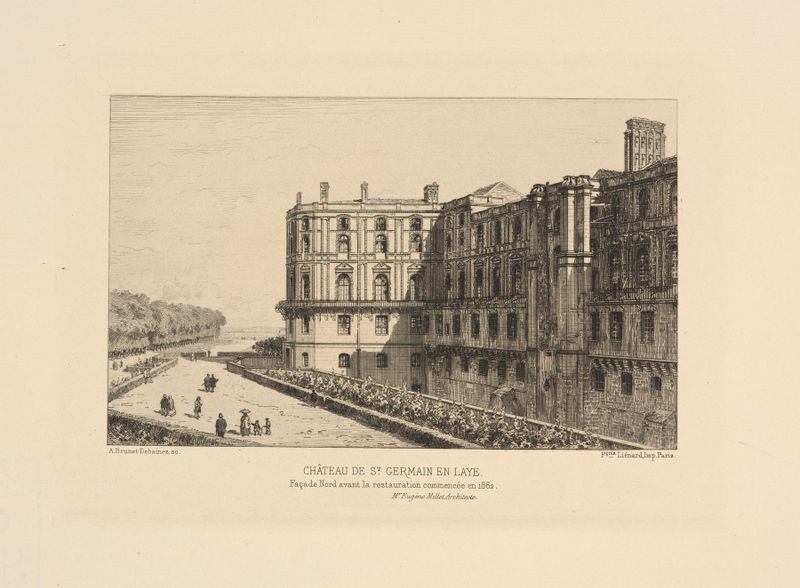
Chateau de St. Germain en Laye. North façade before restoration began in 1862
Alfred Brunet-Debaines

Chateau de St. Germain en Laye. Clock tower and the top of the dungeon before restoration
Alfred Brunet-Debaines
More Architecture Art
Browse all →
The statue of Liberty
Frédéric Auguste Bartholdi

View of Houses in Delft, Known as ‘The Little Street’
Johannes Vermeer

View of Houses in Delft, Known as ‘The Little Street’
Johannes Vermeer

The Cathedral in Rouen. The portal, Grey Weather
Claude Monet

The yellow house
Vincent van Gogh

The Church in Auvers-sur-Oise, View from the Chevet
Vincent van Gogh