Chip-carved jug — History & Facts
What if beauty was never meant to be finished? In the delicate contours and intricate designs of this jug, we are invited to ponder the nature of art and imperfection. Look closely at the surface of the jug, where the rhythmic pattern of chip-carving creates an almost mesmerizing dance of light and shadow. The warm, earthy tones of the wood evoke a sense of timelessness, drawing the eye to the textured swirls that flow gracefully around its form. Notice how the craftsmanship reveals a deep connection to nature, as if the artist sought to capture the essence of a living tree in this vessel. Beneath its striking beauty lies a profound exploration of rebirth.
Each carved chip signals a moment of creation, reminiscent of nature’s cyclical renewal. The jug, though functional, transcends its purpose, embodying the spirit of the craftsman’s journey — the imperfections narrate a story of growth, resilience, and the continuous evolution of artistry. The contrast between the smooth curves of the jug and the rough texture of the carvings plays with the viewer’s perception of beauty, suggesting that true elegance often resides in the raw and the unfinished. This exquisite object likely emerged between 1750 and 1780, during a time when the decorative arts flourished in various cultures.
While the artist remains unknown, they were part of a broader movement that valued both utility and artistry, reflecting the societal shift towards appreciating handmade craftsmanship. Amidst the rising influence of industrialization, this jug captures a moment when individual expression and traditional techniques harmoniously converged, breathing life into each carved detail.
More Artworks by Unknown Artist
Browse all →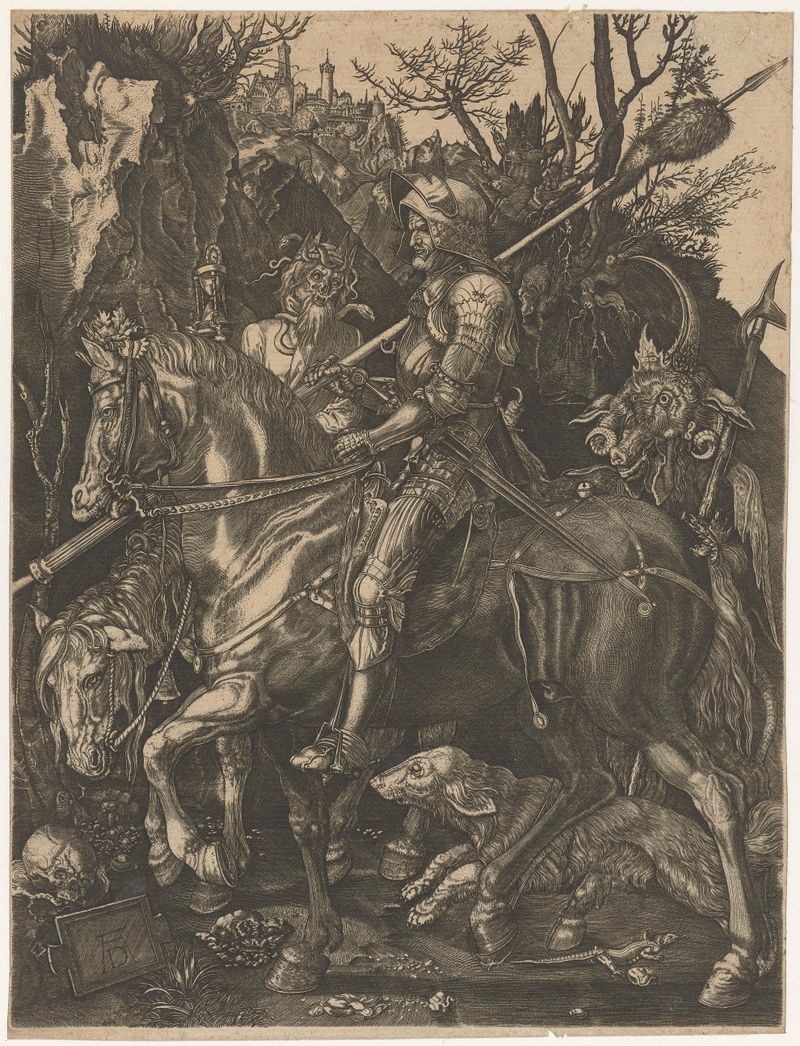
Ridder, Dood en Duivel
Unknown Artist
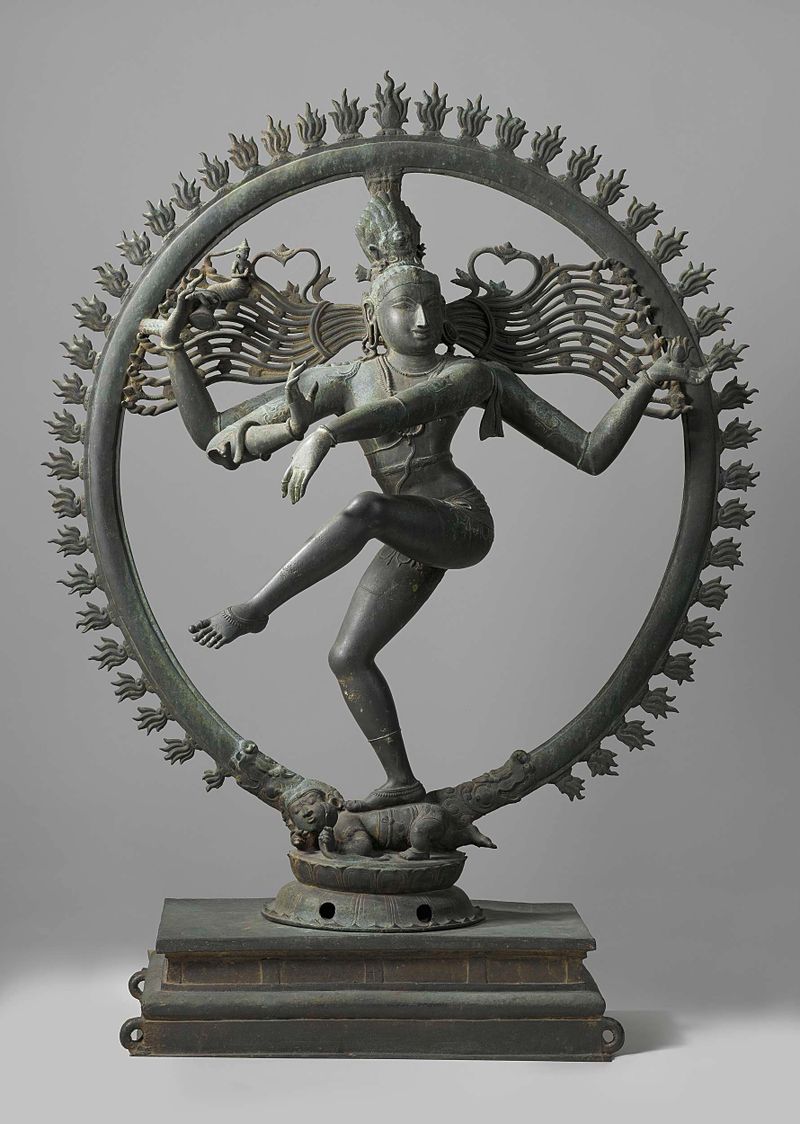
Shiva Nataraja
Unknown Artist
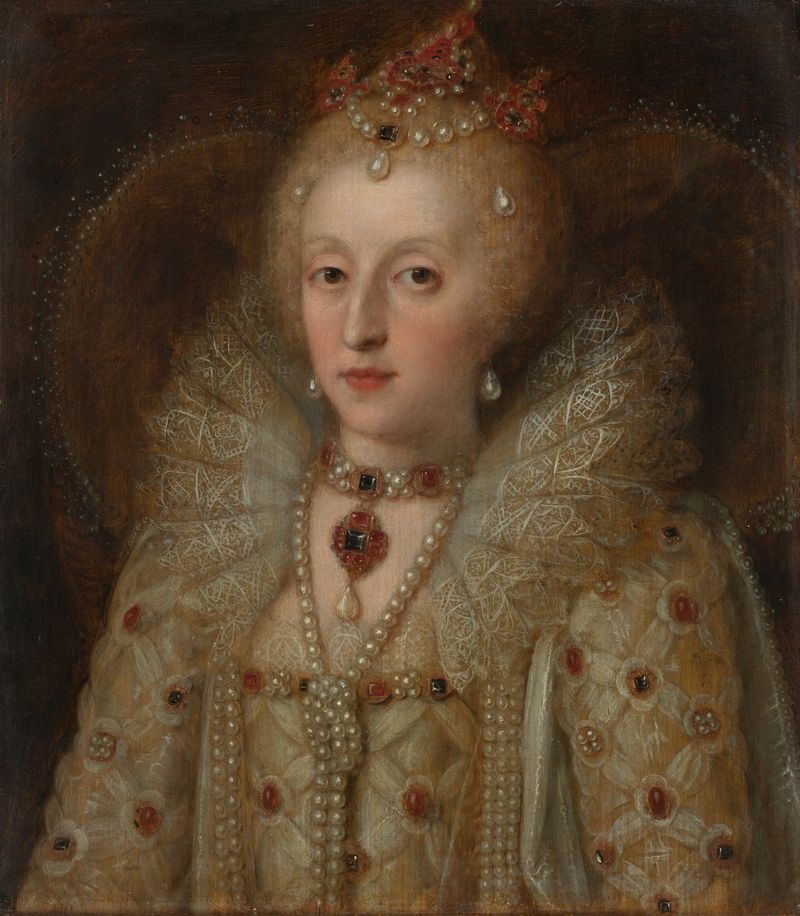
Portrait of Elizabeth I, Queen of England
Unknown Artist
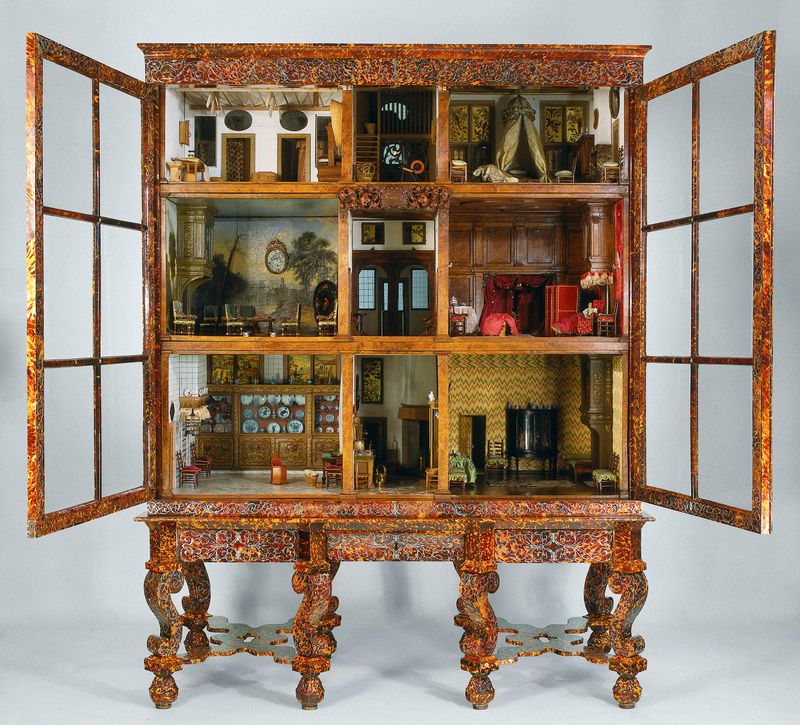
Dolls’ house of Petronella Oortman
Unknown Artist
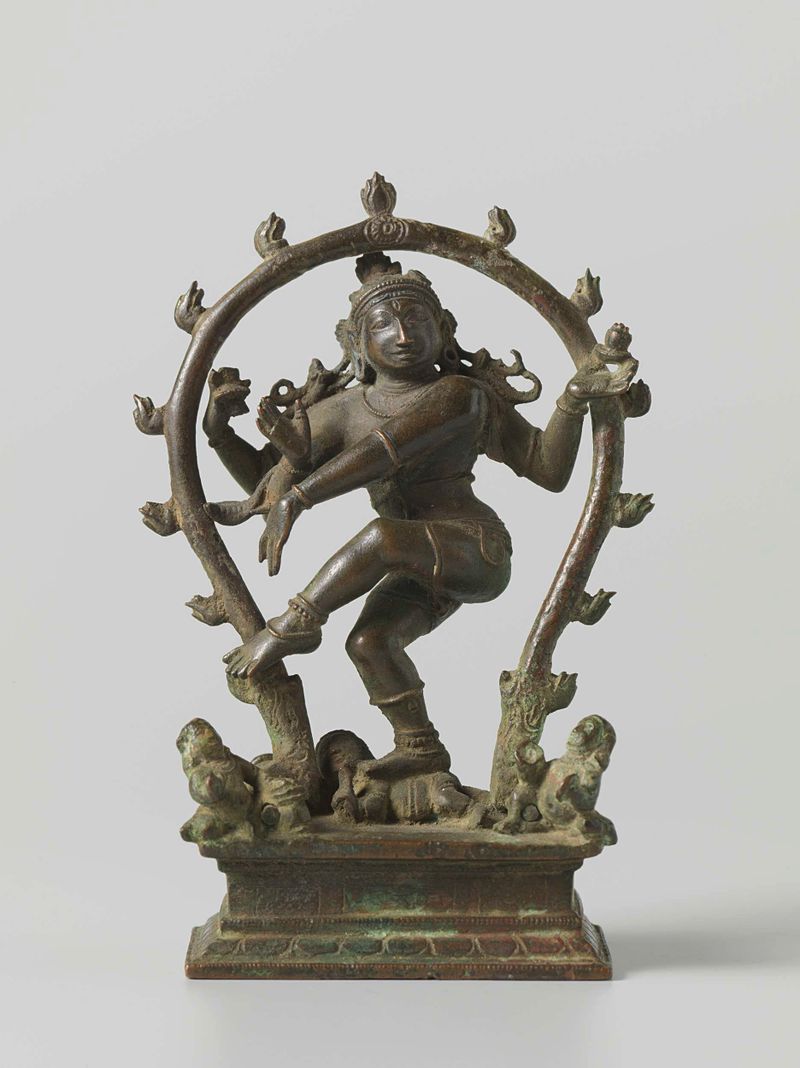
Shiva Nataraja
Unknown Artist

The Tale of Genji
Unknown Artist

The Tale of Genji
Unknown Artist
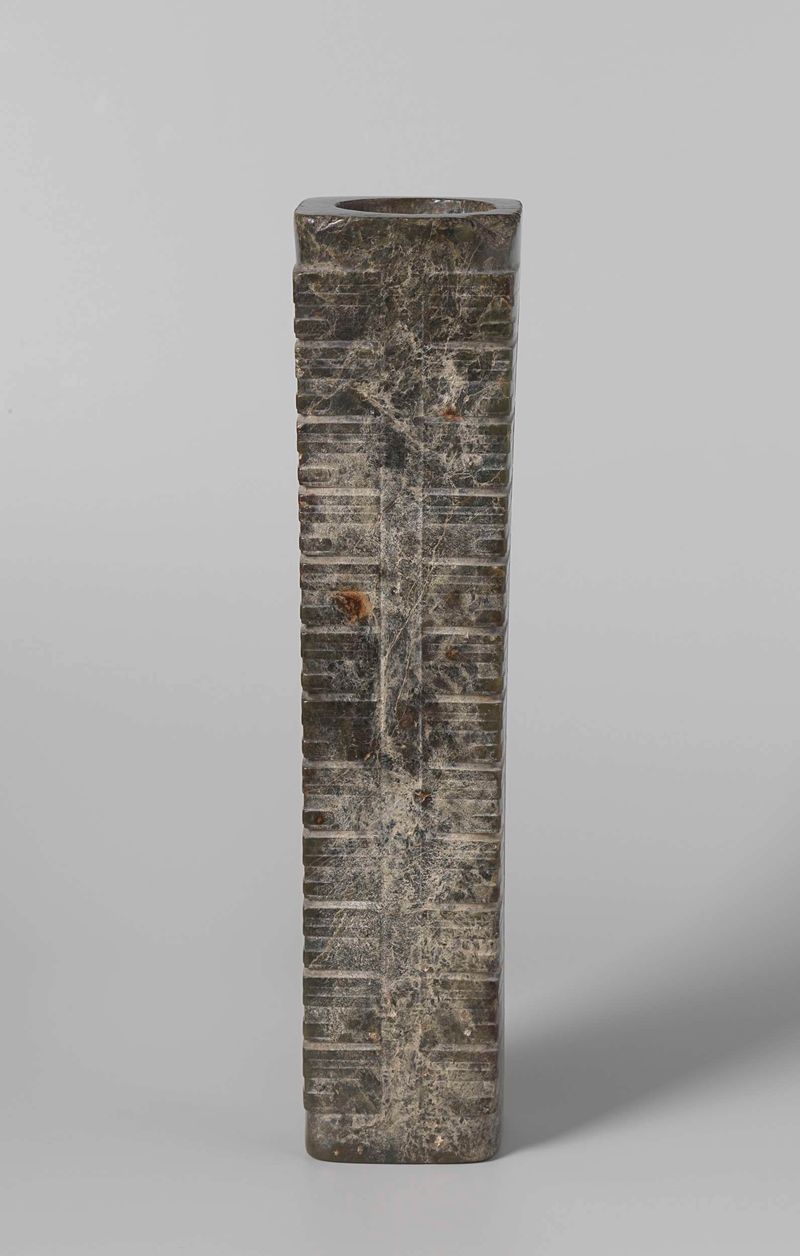
Cong
Unknown Artist
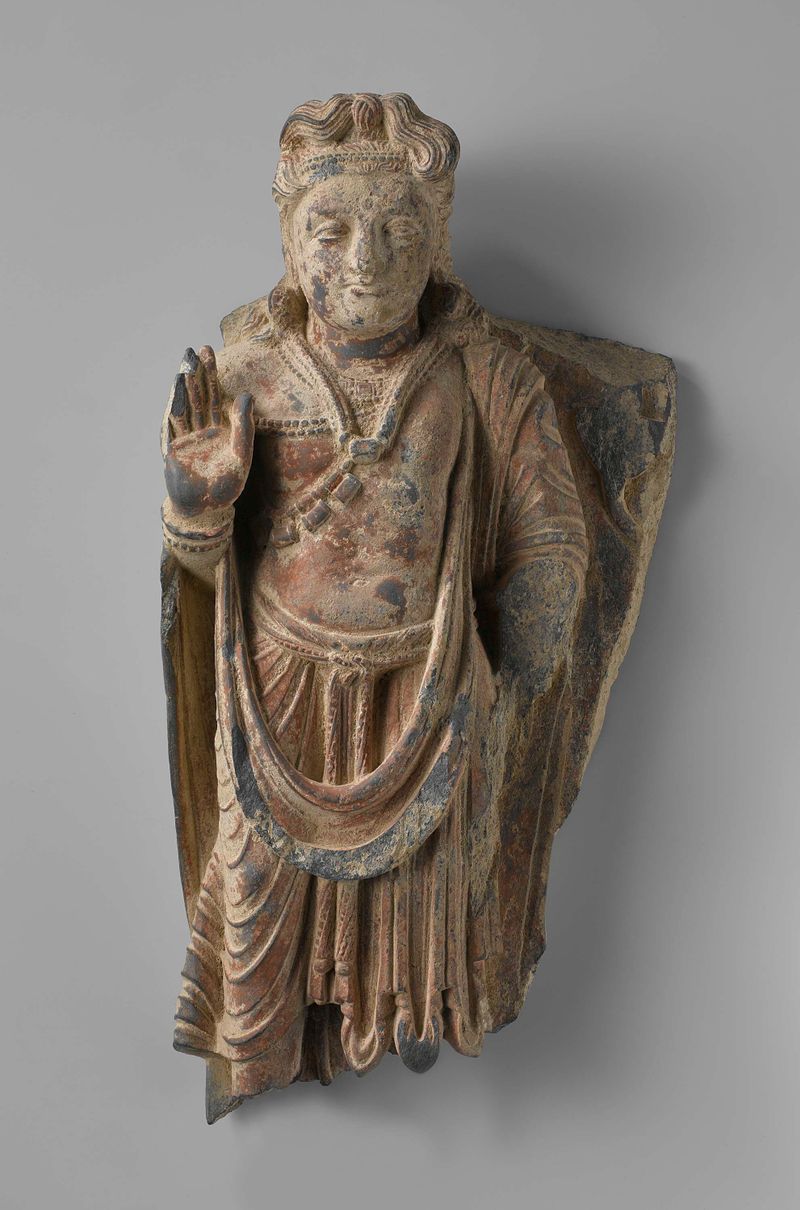
The bodhisattva Maitreya
Unknown Artist
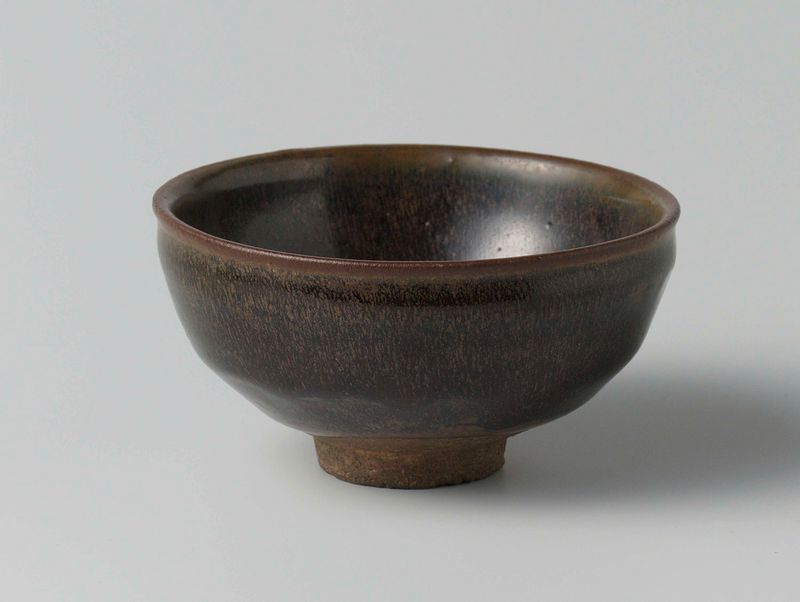
Teabowl with a 'hare's fur' glaze
Unknown Artist