
Christus aan het kruis als de Goede Herder — History & Facts
Can paint confess what words never could? In the heart of Christus aan het kruis als de Goede Herder, a powerful emotion pulses beneath the surface, inviting contemplation of truth and sacrifice. Look closely at the figure suspended on the cross, its delicate contours and muted colors speaking volumes about the weight of the moment. Notice how the surrounding landscape—lush yet somber—frames the central figure with a gentle embrace of earth-toned greens and browns. The soft light filters through the skies, creating an interplay of shadow and illumination that highlights the divine sorrow etched upon the face of Christ, who embodies both sacrifice and pastoral care. Beneath the serene exterior lies a profound tension between despair and hope.
The juxtaposition of Christ as the Good Shepherd, tender yet tormented, evokes reflections on the duality of life and faith. Each detail—the thorny crown, the gentle lamb at His feet—tells a story of redemption intertwined with suffering, beckoning viewers to ponder their own journeys through darkness and light. This artwork emerged between 1550 and 1565, during a time of religious upheaval and transformation in Europe. The artist, whose identity remains shrouded in mystery, contributed to the rich tableau of the Northern Renaissance, a period marked by intricate symbolism and a deep exploration of spiritual themes.
In this piece, the melding of pastoral imagery with a crucifixion scene highlights a search for solace amidst chaos, reflecting broader societal questions of belief and salvation.
More Artworks by Unknown Artist
Browse all →
Ridder, Dood en Duivel
Unknown Artist
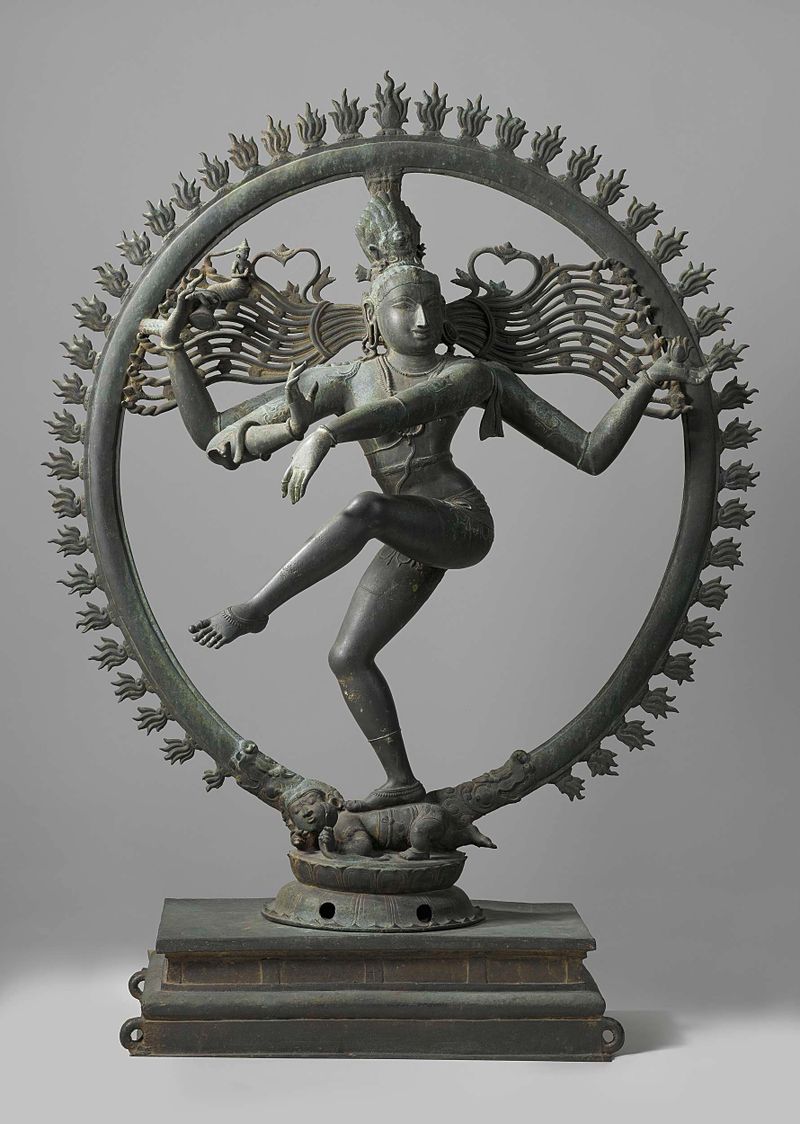
Shiva Nataraja
Unknown Artist
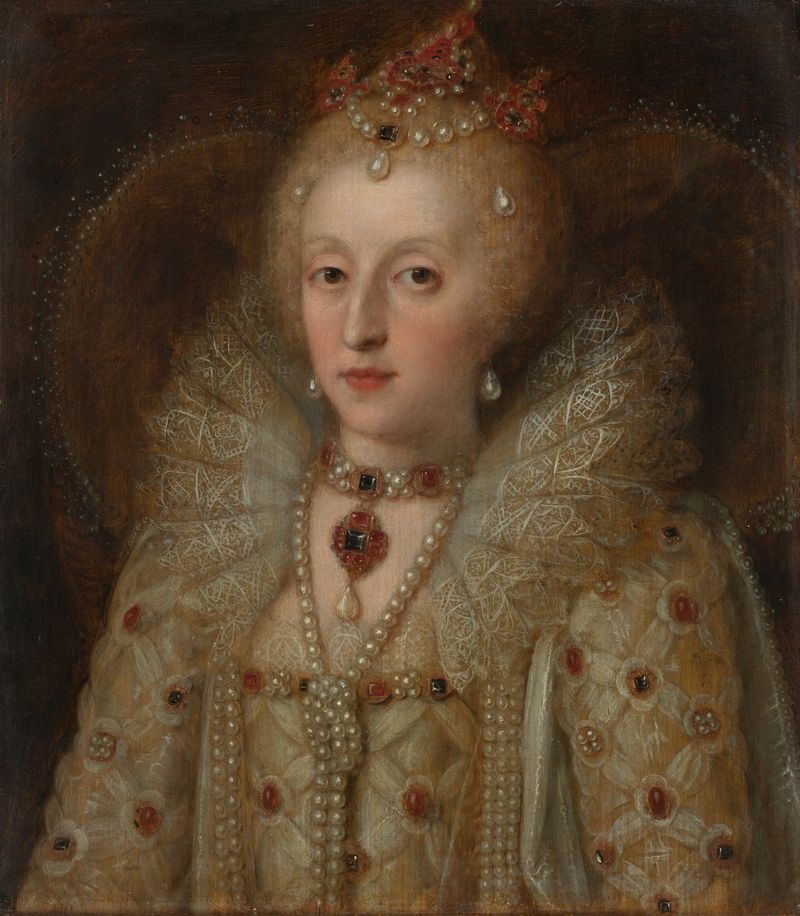
Portrait of Elizabeth I, Queen of England
Unknown Artist
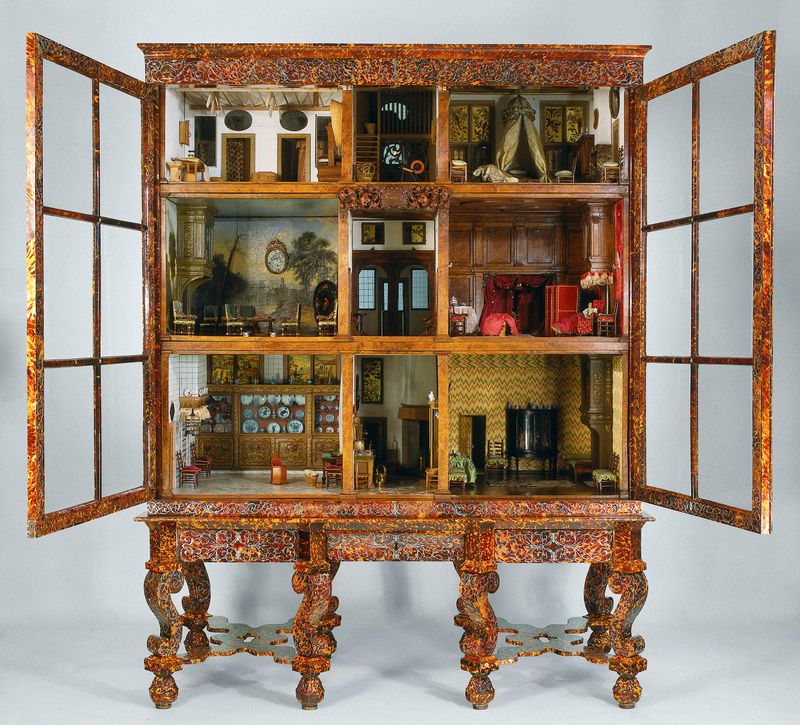
Dolls’ house of Petronella Oortman
Unknown Artist
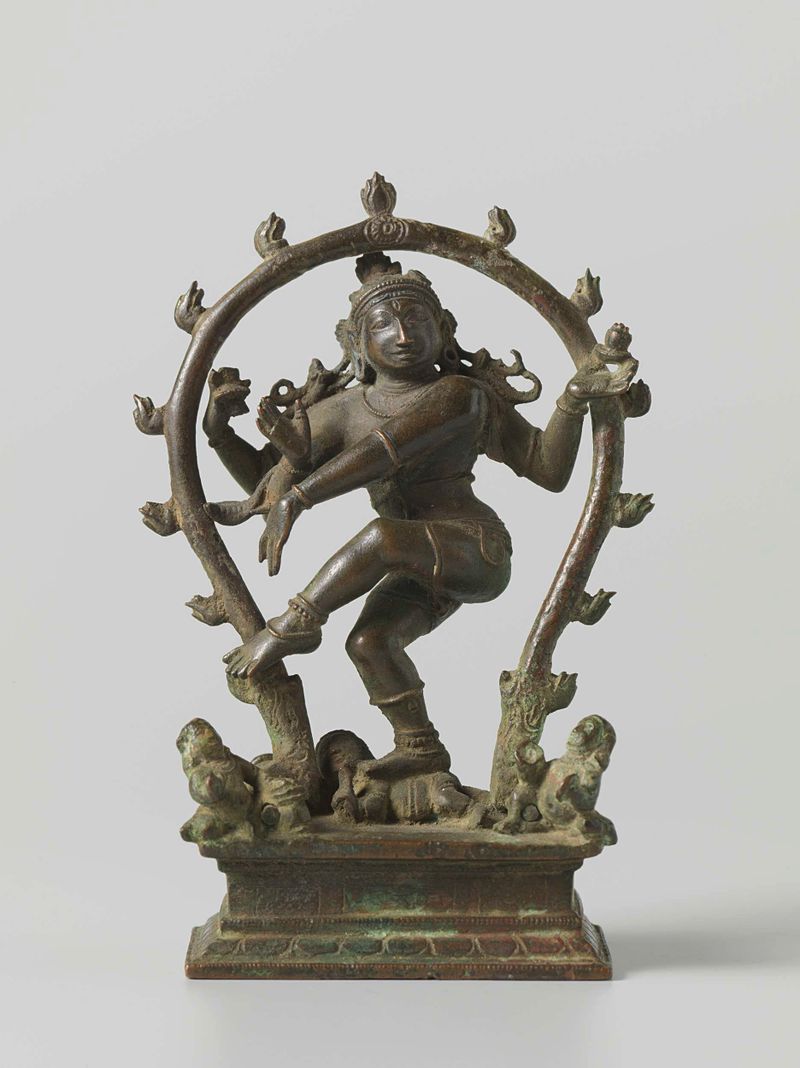
Shiva Nataraja
Unknown Artist

The Tale of Genji
Unknown Artist

The Tale of Genji
Unknown Artist

Cong
Unknown Artist
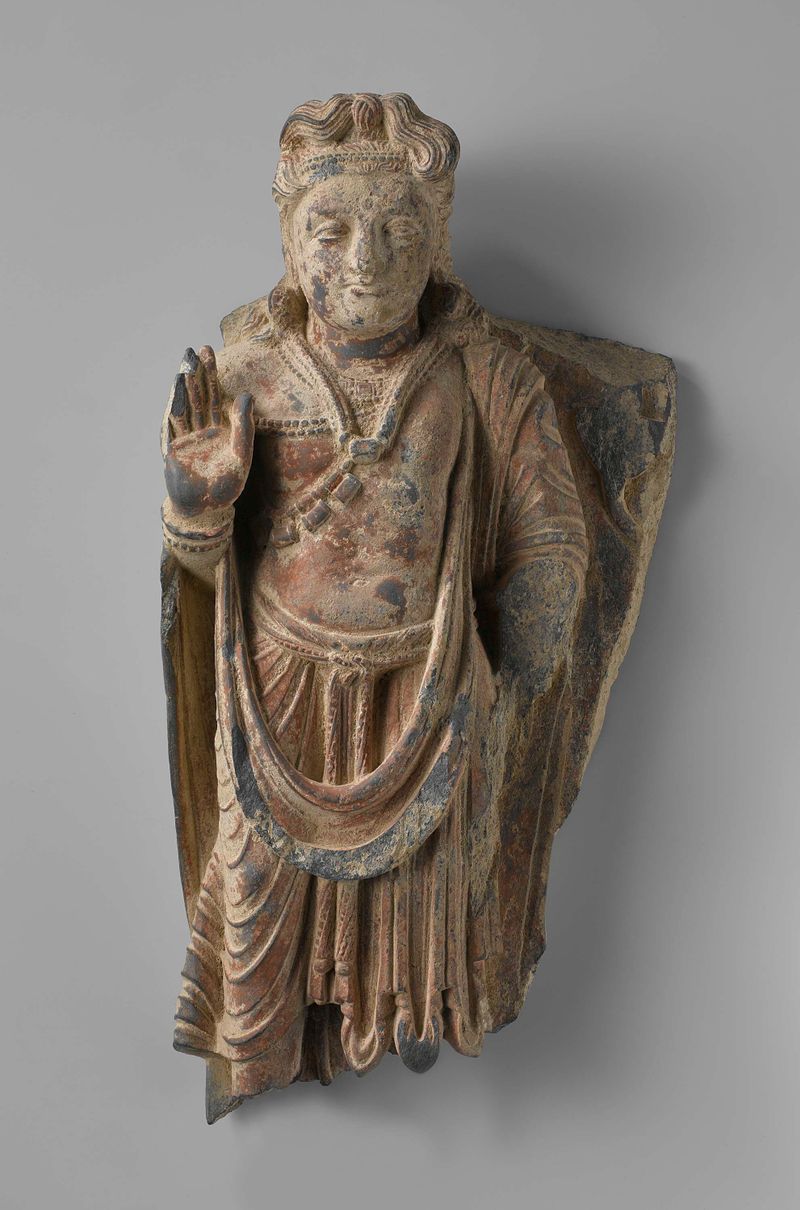
The bodhisattva Maitreya
Unknown Artist

Teabowl with a 'hare's fur' glaze
Unknown Artist
More Religious Art
Browse all →
The Return of the Prodigal Son
Rembrandt van Rijn

The Garden of Earthly Delights
El Bosco

Count Orgaz’ funeral
El Greco

The Hundred Guilder Print: the central piece with Christ preaching, the plate arched
Rembrandt van Rijn

The Descent from the Cross
Rogier van der Weyden

The return of the prodigal son
Rembrandt van Rijn