
Christus en de overspelige vrouw — History & Facts
Did the painter know this moment would outlive them? A fleeting encounter, forever captured in oil, speaks to the human condition—a reminder of our mortality and the choices that define us. Focus your gaze on the central figures, where the tension resides. Notice how the light falls upon Christ, illuminating His serene face, juxtaposed with the woman’s tormented expression. The surrounding shadows envelop those who observe, their forms blending into a muted background, suggesting the weight of societal judgment.
The rich, deep colors evoke emotion, drawing you into the scene and inviting reflection. Beneath the surface, this work reveals profound contrasts. The poised grace of Christ’s posture contrasts sharply with the woman’s vulnerability, as her outstretched hand seems to grasp for redemption. The onlookers, cloaked in obscurity, symbolize the harsh scrutiny of society, challenging the viewer to consider themes of forgiveness and condemnation.
This interplay of light and shadow not only enhances the drama but also echoes the larger narrative of sin and grace, mortality and hope. Created between 1530 and 1550, this piece emerges from a period marked by the Reformation and shifts in religious thought. The artist, whose identity remains a mystery, likely navigated an art world grappling with new ideas about spirituality and moral complexity. In this context, the work serves as a powerful meditation on human fallibility, inviting a dialogue that resonates through the ages.
More Artworks by Unknown Artist
Browse all →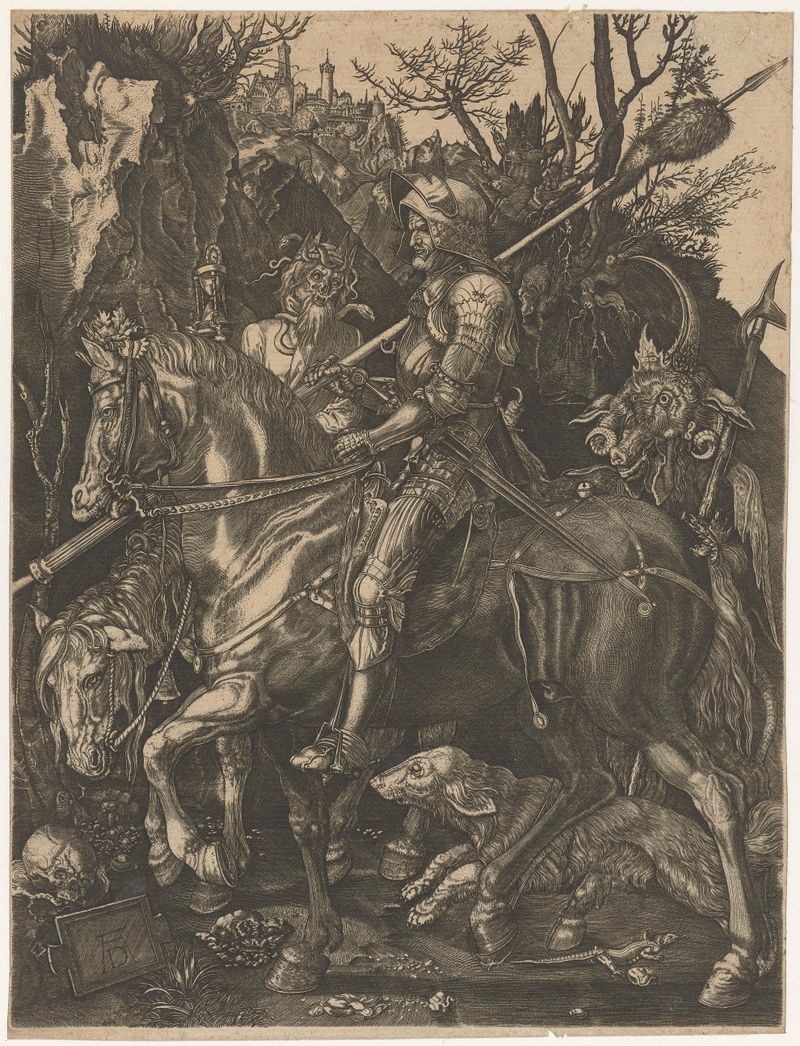
Ridder, Dood en Duivel
Unknown Artist
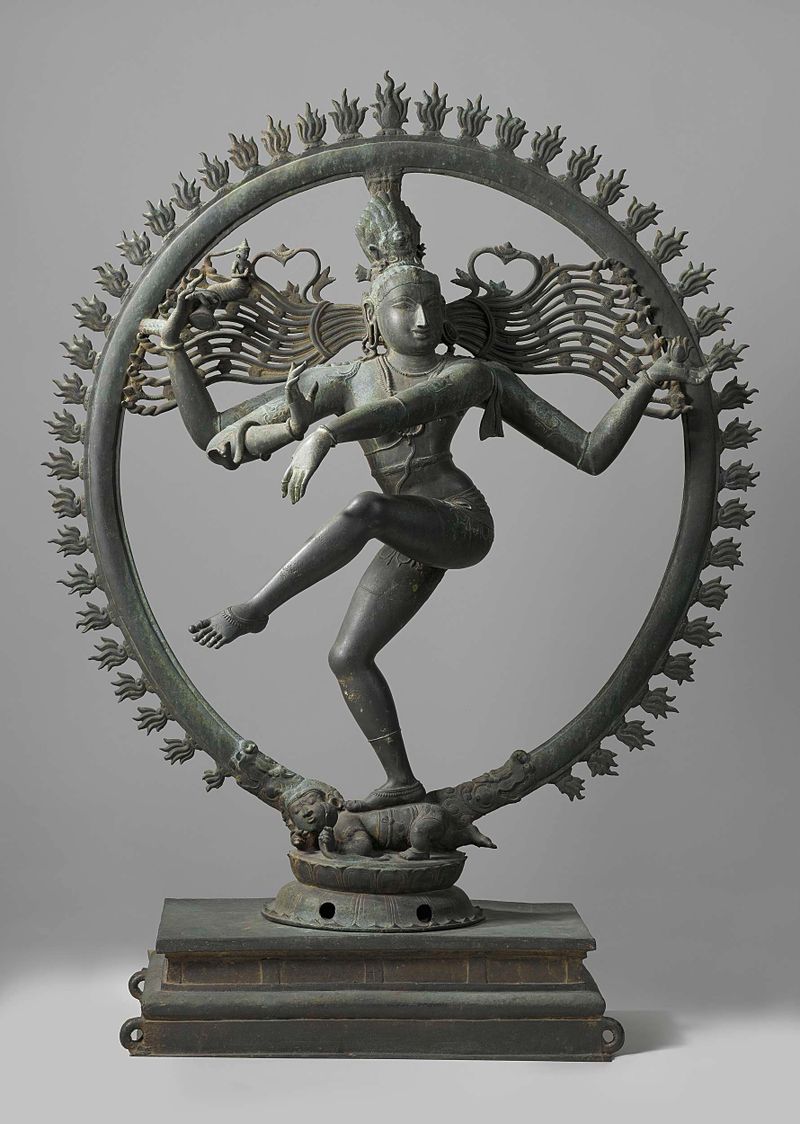
Shiva Nataraja
Unknown Artist
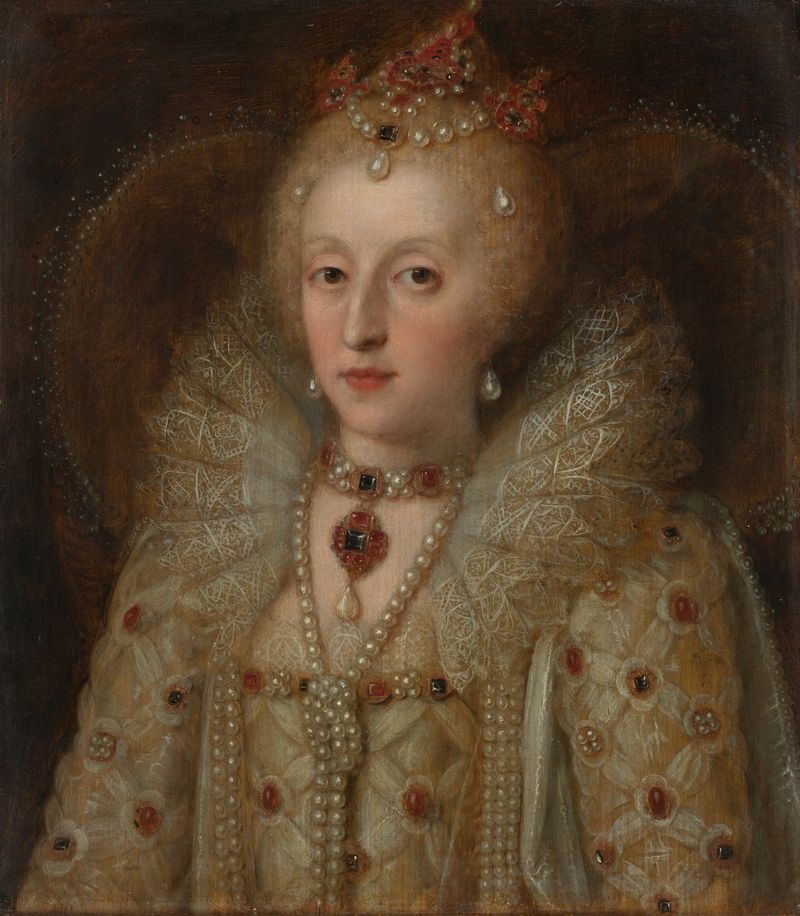
Portrait of Elizabeth I, Queen of England
Unknown Artist
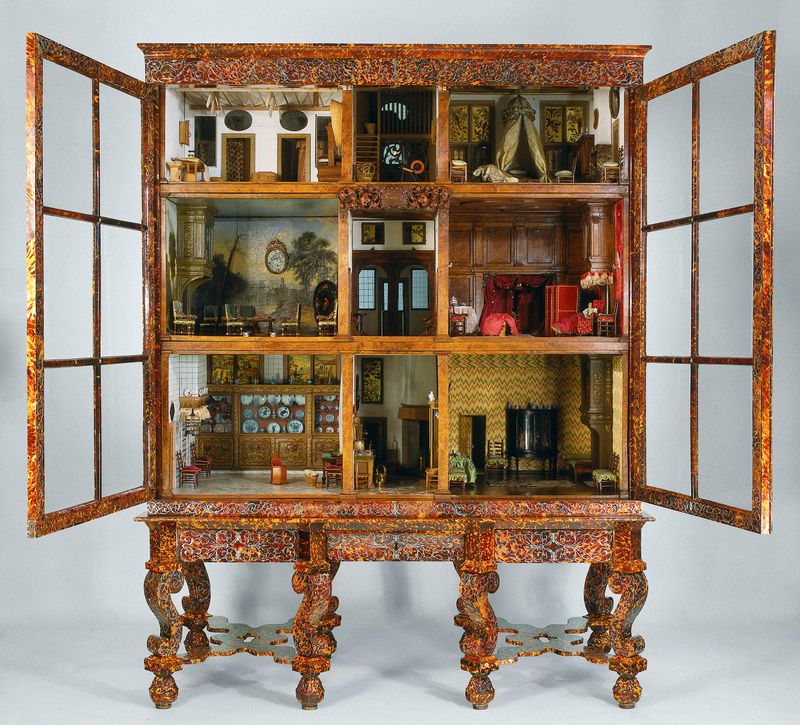
Dolls’ house of Petronella Oortman
Unknown Artist
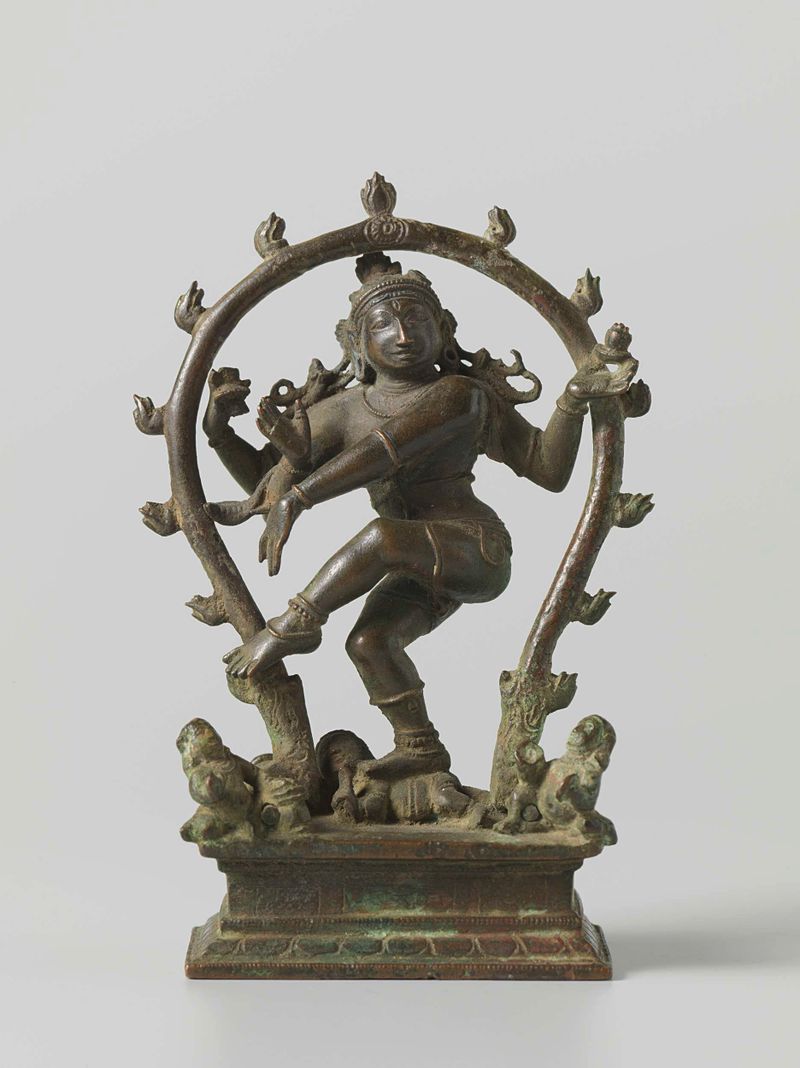
Shiva Nataraja
Unknown Artist

The Tale of Genji
Unknown Artist

The Tale of Genji
Unknown Artist

Cong
Unknown Artist
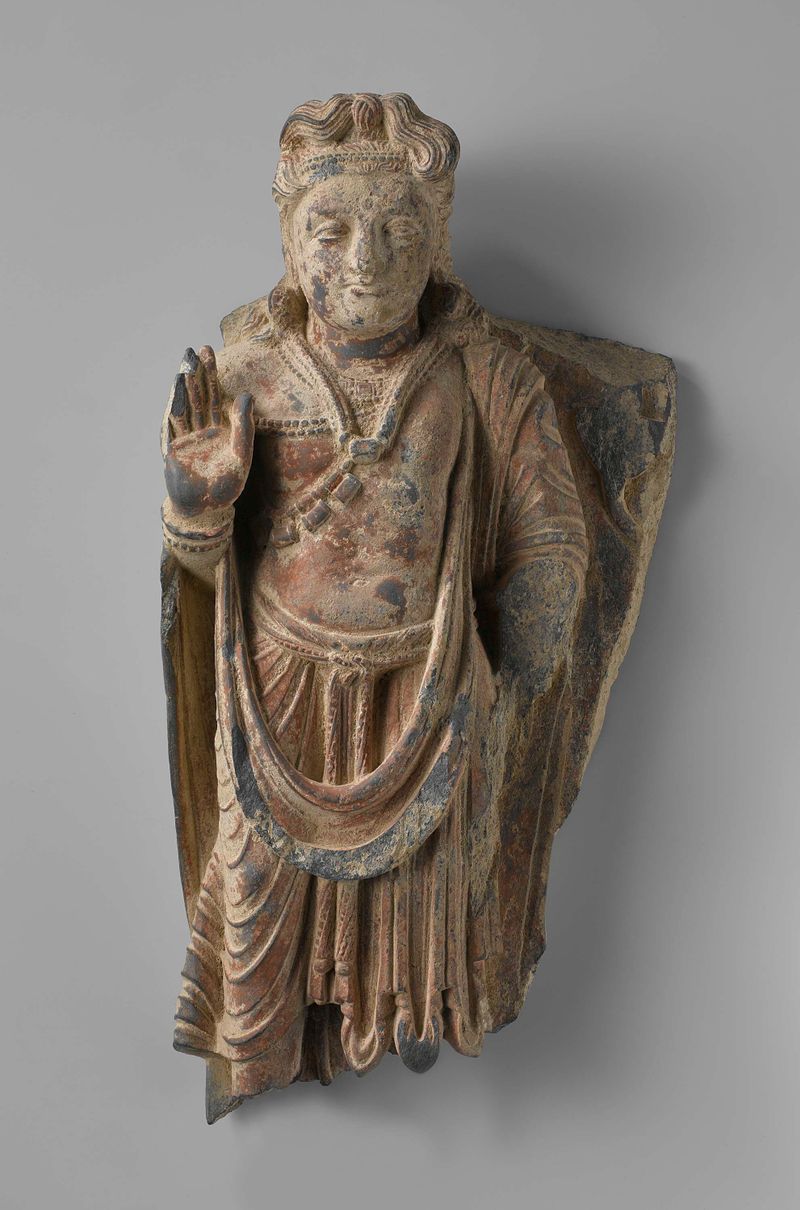
The bodhisattva Maitreya
Unknown Artist

Teabowl with a 'hare's fur' glaze
Unknown Artist
More Religious Art
Browse all →
The Return of the Prodigal Son
Rembrandt van Rijn

The Garden of Earthly Delights
El Bosco

Count Orgaz’ funeral
El Greco

The Hundred Guilder Print: the central piece with Christ preaching, the plate arched
Rembrandt van Rijn

The Descent from the Cross
Rogier van der Weyden

The return of the prodigal son
Rembrandt van Rijn