
Clifton Spring and Woods near Maidenhead — History & Facts
When did color learn to lie? In Clifton Spring and Woods near Maidenhead, hues dance and swirl, conjuring a reality that teeters on the edge of madness. Focus on the vibrant greenery that envelops the canvas; the lush foliage invites your gaze, drawing you into a world where nature feels almost too alive. The sunlight shimmers through the treetops, creating a play of light and shadow that breathes energy into the scene. Notice how the rich blues and greens pulse with an intensity that suggests both tranquility and unrest, a duality that stirs the spirit. Whispers of emotion ripple through the underbrush; here, the juxtaposition of serene landscapes against the tempest of human psyche emerges.
The brilliant colors may evoke joy but hint at an underlying tension, as if the very earth itself is teetering on the brink of ecstasy and chaos. The soft, flowing lines of the stream contrast with the jagged, wild forms of foliage, suggesting a conflict between harmony and instinctual wildness. Created in 1818, this piece emerged during a period when Havell found himself deeply entrenched in the English landscape tradition. Emerging from the shadows of his father’s artistic legacy, he navigated the evolving art world, where romanticism began to intertwine with the observation of nature.
This painting reflects not only his personal journey but also the broader movement in art, as the natural world was reinterpreted through the lens of emotion and individual experience.
More Artworks by Robert Havell Jr.
Browse all →
View of the Bay and City of New York from Weehawken
Robert Havell Jr.
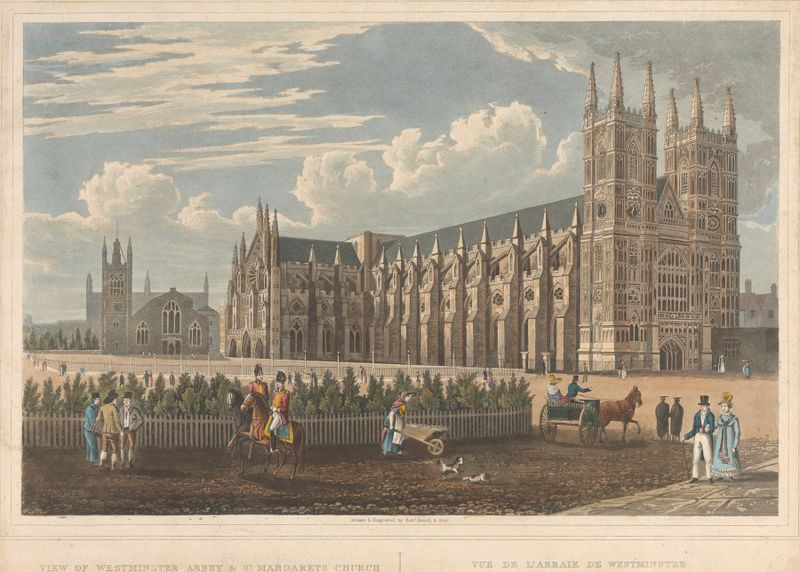
View of Westminster Abbey and St. Margaret’s Church
Robert Havell Jr.

View of the Hudson River from Tarrytown, Old Dutch Church, Beekman Manor House
Robert Havell Jr.
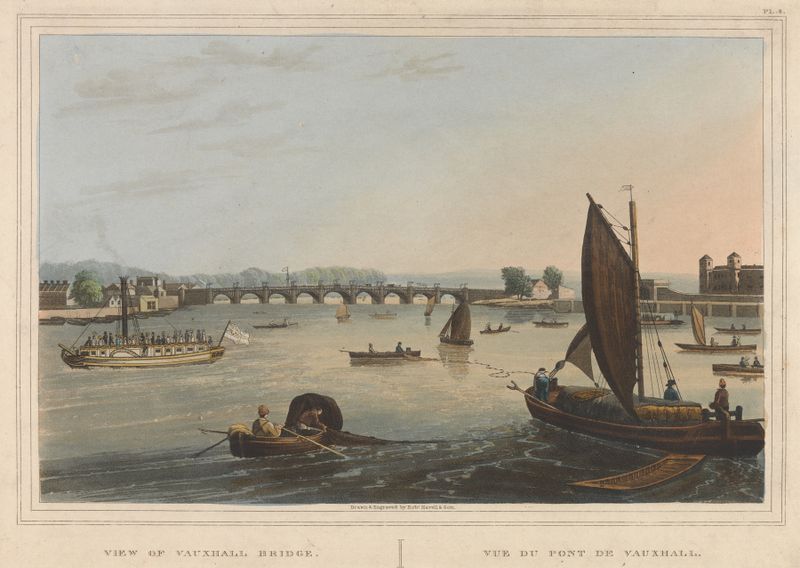
View of Vauxhall Bridge
Robert Havell Jr.
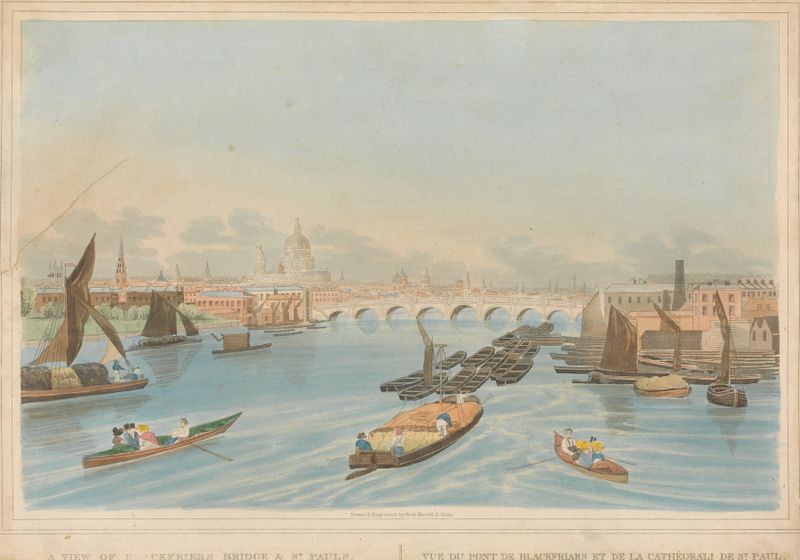
A View of Blackfriars Bridge and St. Pauls
Robert Havell Jr.
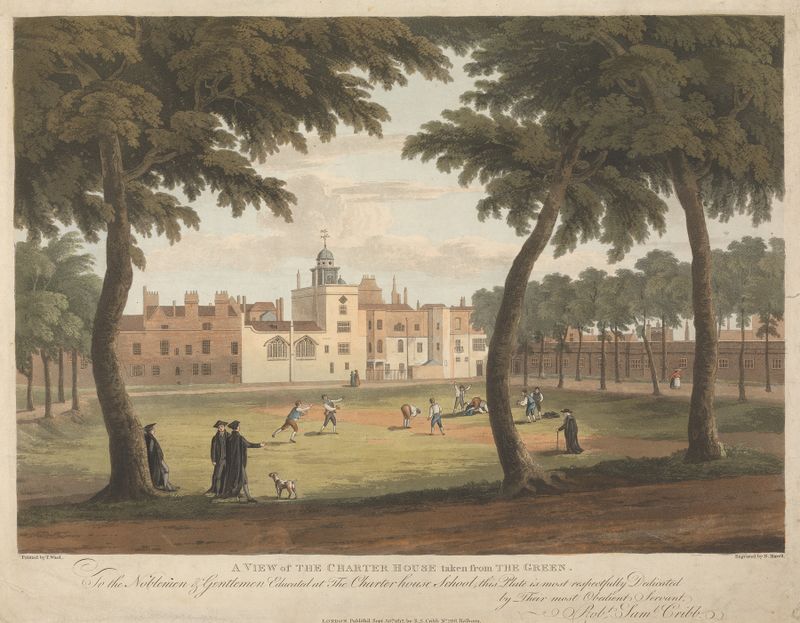
A View of the Chapter House taken from the Green
Robert Havell Jr.





